Why Timing Matters in Lighting Control
Lighting control is more than just flipping a switch. For contractors, specifying the right switch can influence energy efficiency, user convenience, and long-term client satisfaction. Wall light switches with timers have become a popular option, offering automated control over lighting schedules. But are they always the best choice? Understanding the practical benefits and limitations of timer switches compared to alternative solutions is essential for making informed recommendations.
Energy consumption is a critical factor. According to studies, lighting accounts for nearly 15% of the average commercial building’s electricity use. Reducing unnecessary lighting through automated timing can significantly cut costs. For residential clients, timed lighting enhances security and convenience without requiring manual intervention. These advantages make timer switches an attractive option, but they are not a one-size-fits-all solution.
Moreover, the integration of smart technology into lighting control systems has revolutionized the way we think about timing and automation. Smart switches and apps allow users to customize their lighting schedules from anywhere, providing even greater flexibility than traditional timer switches. For instance, homeowners can program their lights to mimic their presence when they are away, deterring potential intruders. Additionally, these systems can adapt to changing schedules or seasons, automatically adjusting lighting based on sunset times or occupancy patterns, which can further enhance energy savings and user experience.
However, it’s important to consider the potential downsides of relying solely on timer switches. In some cases, they may lead to over-reliance on automation, where users forget to manually adjust settings for special occasions or changes in routine. Furthermore, the installation of timer switches can sometimes be more complex than standard switches, requiring additional wiring or programming knowledge. Contractors must weigh these factors carefully, ensuring that the chosen lighting control solution aligns with the specific needs and lifestyle of the client, ultimately leading to a more tailored and effective lighting strategy.
How Wall Light Switches With Timers Work
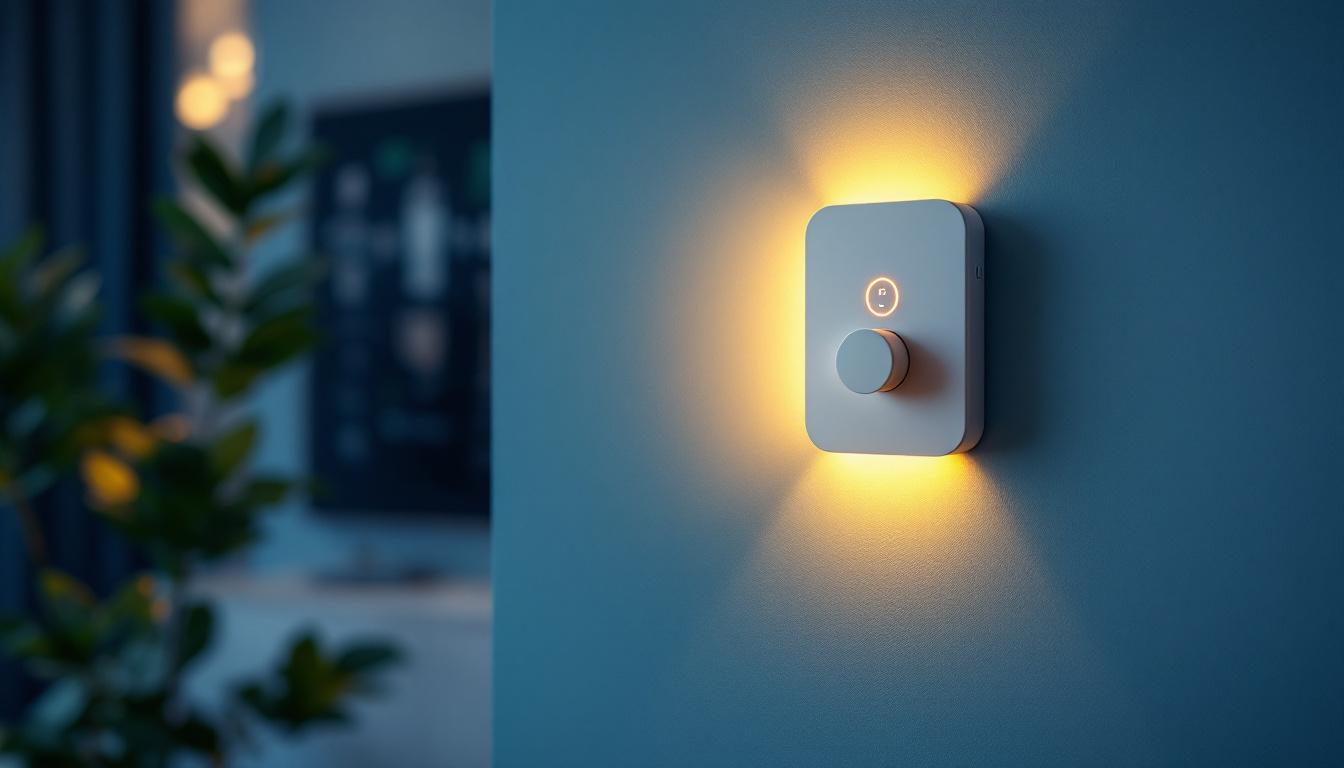
At their core, wall light switches with timers integrate a timing mechanism directly into the switch assembly. This allows users to set specific intervals during which the lights will automatically turn on or off. Some models offer simple countdown timers, while others provide more sophisticated scheduling capabilities, such as multiple on/off cycles throughout the day. This flexibility not only enhances convenience but also contributes to energy efficiency, as users can ensure that lights are only on when needed, reducing unnecessary power consumption.
The installation process is straightforward, often requiring no more wiring than a traditional switch. Many timer switches fit standard electrical boxes and replace existing switches without major modifications. This ease of installation is a significant selling point for contractors aiming to minimize labor time and client disruption. Additionally, many manufacturers provide detailed instructions and support, making it accessible even for DIY enthusiasts. This user-friendly aspect encourages homeowners to take control of their lighting systems, fostering a greater awareness of energy usage and sustainability.
Types of Timer Switches
Timer switches come in several varieties:
- Mechanical Timers: These use a dial or rotary mechanism to set the time. They are simple and reliable but offer limited precision. Mechanical timers are often favored for their durability and ease of use, making them a popular choice in settings where complex programming isn’t necessary.
- Digital Timers: Featuring LCD screens and programmable settings, digital timers allow for complex schedules and greater accuracy. Users can set multiple on/off cycles throughout the week, catering to varying routines, which is particularly beneficial for households with different schedules or for businesses that require specific lighting during operating hours.
- Smart Timer Switches: These connect to Wi-Fi networks and can be controlled remotely via apps or integrated with home automation systems. Smart timers offer the added advantage of being able to adjust settings from anywhere, making them ideal for those who travel frequently or want to enhance their home security by simulating occupancy.
Each type has its place depending on client needs and budget constraints. For example, a busy family may benefit from the versatility of a smart timer, while a small business might find that a simple mechanical timer suffices for their lighting needs. Moreover, the growing trend towards smart home technology is pushing the development of more advanced timer switches that not only control lighting but can also interact with other smart devices, creating a cohesive and efficient home environment.
Comparing Timer Switches to Other Lighting Control Alternatives
Timer switches are just one option among several for managing lighting. Alternatives include motion sensors, photocell controls, dimmers, and smart lighting systems. Each has unique advantages and challenges.
Motion Sensor Switches
Motion sensors activate lights based on occupancy, turning them off after a period of inactivity. They excel in areas with intermittent use, such as hallways, bathrooms, and storage rooms.
While motion sensors prevent lights from staying on unnecessarily, they may not suit spaces where occupants remain still for extended periods. False triggers or failure to detect movement can frustrate users. In contrast, timer switches provide predictable, scheduled control but lack responsiveness to real-time occupancy.
Photocell Controls
Photocell switches respond to ambient light levels, turning lights on at dusk and off at dawn. This automation is ideal for outdoor lighting applications, such as security or landscape lighting.
However, photocells do not control duration or timing beyond light levels. For clients requiring precise lighting schedules, timer switches offer more flexibility. Photocells also can be affected by shadows or temporary lighting conditions, which may cause unintended switching.
Dimmers and Smart Lighting
Dimmers allow users to adjust light intensity but do not automate on/off functions. Smart lighting systems, on the other hand, provide comprehensive control through apps, voice commands, and integration with other smart devices.
Smart systems offer unmatched flexibility and customization but come with higher upfront costs and complexity. For contractors, recommending smart lighting may require additional client education and support. Timer switches strike a balance by offering automation without the need for extensive infrastructure.
Key Factors Lighting Contractors Should Consider
Choosing the right lighting control solution depends on several factors. Contractors should evaluate the project’s specific requirements, client preferences, and budget constraints.
Application and Location
The intended use of the lighting system heavily influences the choice. For example, in commercial restrooms or conference rooms, motion sensors may be more effective than timers. In residential settings, timed switches can enhance security by simulating occupancy during vacations.
Outdoor lighting often benefits from photocell controls combined with timers to optimize energy savings and security. Understanding the environment helps contractors tailor solutions that maximize functionality.
Ease of Installation and Maintenance
Contractors must consider installation complexity. Timer switches that fit existing wiring and standard boxes reduce labor time and costs. Devices requiring additional sensors, hubs, or programming may increase installation challenges.
Maintenance is another consideration. Mechanical timers may wear out faster, while digital and smart switches require firmware updates or network connectivity. Selecting durable, reliable products minimizes callbacks and enhances client satisfaction.
Energy Efficiency and Cost Savings
Energy savings are a primary driver for automated lighting controls. Timer switches can reduce wasted energy by ensuring lights operate only when needed. However, combining timers with occupancy sensors or daylight harvesting systems can yield greater savings.
Contractors should present clients with clear data on potential energy reductions and payback periods. This transparency builds trust and supports informed decision-making.
Practical Recommendations for Lighting Contractors
When advising clients, contractors should balance performance, cost, and user experience. Here are some practical guidelines:
For Residential Projects
Wall light switches with timers are excellent for entryways, porches, and rooms where lights tend to be left on unintentionally. Mechanical or digital timers work well for straightforward schedules, while smart timer switches appeal to tech-savvy homeowners.
Combining timers with motion sensors in bathrooms or closets enhances convenience and energy efficiency. Outdoor lighting benefits from photocell-timer hybrids to ensure lights operate only when needed.
For Commercial and Institutional Settings
In offices, schools, and healthcare facilities, occupancy sensors often outperform timers by responding dynamically to room usage. However, timer switches can serve as backups or be used in less frequently occupied areas.
Smart lighting systems integrated with building management platforms offer advanced control and data analytics but require investment and technical expertise. Contractors should assess the client’s willingness to adopt such technologies.
When Budget Is a Primary Concern
Mechanical timer switches provide a cost-effective solution with minimal complexity. They are suitable for clients seeking basic automation without additional features.
For clients open to moderate investment, digital timers offer enhanced flexibility. Smart switches, while more expensive, deliver long-term value through convenience and integration capabilities.
Conclusion: Making the Right Choice
Wall light switches with timers remain a valuable tool in the lighting contractor’s arsenal. Their simplicity, ease of installation, and energy-saving potential make them a strong contender for many applications. However, they are not always the best fit.
Understanding the alternatives-motion sensors, photocells, dimmers, and smart lighting-is crucial. Each technology addresses different needs and environments. Contractors who evaluate project specifics, client expectations, and budget constraints will recommend solutions that deliver optimal performance and satisfaction.
Ultimately, the best lighting control strategy often involves combining multiple technologies. Timer switches can complement sensors and smart systems, creating a layered approach to lighting management. By staying informed and flexible, lighting contractors can guide clients toward choices that illuminate spaces efficiently and intelligently.
Illuminate Your Projects with LumenWholesale
Ready to elevate your lighting game? Choose LumenWholesale for an exceptional range of wall light switches with timers and other innovative lighting solutions. Our commitment to quality and affordability ensures that you can provide your clients with energy-efficient, user-friendly lighting options without breaking the bank. With our hassle-free bulk buying and free shipping, you’ll find everything you need to meet the highest industry standards. Don’t settle for less; discover wholesale lighting at the best value today and light up your projects with confidence.