Why Low Hanging Pendant Lights Are More Than Just a Design Choice
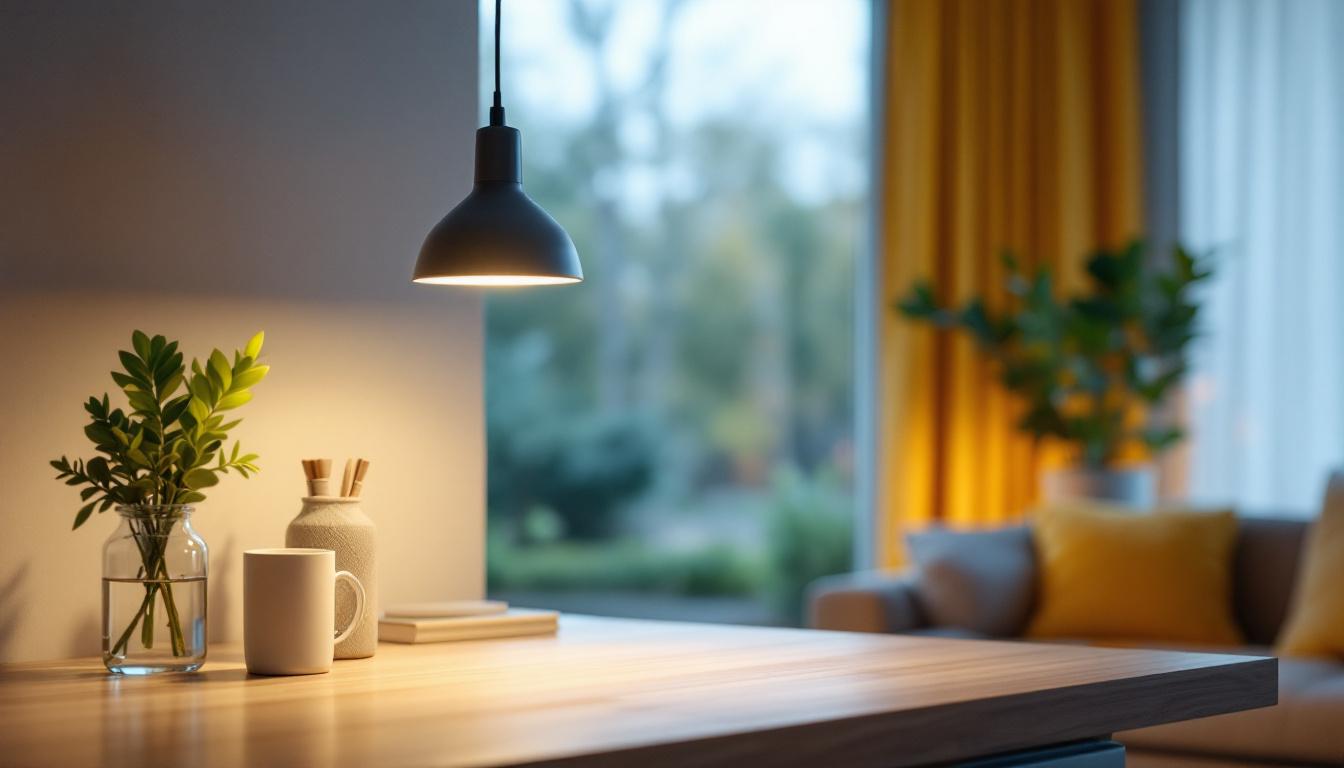
Low hanging pendant lights have surged in popularity, not only for their aesthetic appeal but also for their practical benefits in energy efficiency. For lighting contractors, understanding the dual role these fixtures play is essential. They offer a unique opportunity to optimize lighting output while reducing energy consumption, a combination that appeals to both clients and regulatory standards.
Unlike traditional overhead lighting that disperses light broadly, low hanging pendants focus illumination exactly where it’s needed. This targeted lighting reduces the need for multiple fixtures and lowers overall wattage requirements. When installed correctly, they create a well-lit environment with fewer bulbs, translating directly into energy savings.
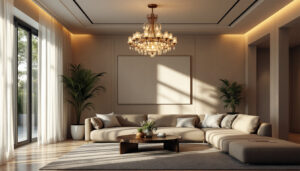
In addition to their energy-efficient properties, low hanging pendant lights also contribute to the overall ambiance of a space. Their design can range from minimalist to ornate, allowing homeowners and designers to select fixtures that complement their decor style. Whether it’s a sleek, modern kitchen or a rustic dining area, these lights can serve as a focal point, enhancing the visual interest of the room. Furthermore, the height at which they are hung can be adjusted to create different atmospheres; lower pendants can foster intimacy, while higher placements can open up the space, making it feel larger and more inviting.
Moreover, the versatility of low hanging pendant lights extends beyond just their aesthetic and functional qualities. Many modern designs incorporate smart technology, allowing users to control brightness and color temperature through mobile apps or voice commands. This level of customization not only enhances the user experience but also promotes energy conservation by enabling users to adjust lighting based on their specific needs and activities. As more individuals prioritize sustainability in their homes, the integration of smart features into lighting solutions positions low hanging pendants as a forward-thinking choice that aligns with contemporary lifestyle trends.
Energy Efficiency Through Design and Placement
Optimizing Light Distribution
One of the key advantages of low hanging pendant lights is their ability to concentrate light on specific areas such as kitchen islands, dining tables, or workspaces. This focused illumination means that ambient lighting can be minimized, reducing energy use without compromising visibility. By directing light where it is most needed, these fixtures create a visually appealing atmosphere while enhancing functionality.
For lighting contractors, this means fewer fixtures are necessary to achieve the desired brightness. Selecting pendants with reflective inner surfaces or diffusers can further enhance light distribution, ensuring that the light is both efficient and comfortable for occupants. Moreover, the choice of bulb type, such as LED or compact fluorescent, can significantly impact energy consumption. LEDs, in particular, offer a longer lifespan and lower wattage, making them an excellent choice for energy-conscious designs. Incorporating smart lighting controls, such as dimmers or motion sensors, can also optimize energy use, allowing homeowners to adjust lighting based on their needs and preferences.
Height Matters: The Sweet Spot for Efficiency
The height at which pendant lights are hung significantly affects their performance. Typically, hanging pendants 28 to 34 inches above a surface like a countertop or table strikes the right balance between functionality and ambiance. Too high, and the light disperses too widely, wasting energy. Too low, and it can cause glare or obstruct sightlines. Understanding the specific activities that will take place under the pendants can help in determining the ideal height; for instance, a workspace may benefit from slightly lower placement to enhance task visibility.
Contractors should consider the room’s purpose and ceiling height when determining the exact drop. Adjustable fixtures or chains can provide flexibility, allowing clients to fine-tune lighting after installation. This adaptability contributes to long-term energy savings by ensuring the light is used efficiently. Additionally, the aesthetic aspect of height should not be overlooked; the right placement can create a sense of cohesion and style in the room. By harmonizing the pendant lights with other elements in the space, such as cabinetry or furniture, contractors can elevate the overall design while maintaining energy efficiency. Furthermore, considering the color temperature of the light can also influence the perceived brightness and warmth of the space, enhancing the overall ambiance and comfort for the occupants.
Choosing the Right Bulbs and Fixtures for Low Hanging Pendants
LED Technology: The Game Changer
LED bulbs have revolutionized energy-efficient lighting, and their integration with low hanging pendant fixtures is a natural fit. LEDs consume up to 80% less energy than incandescent bulbs and last significantly longer, reducing maintenance costs and environmental impact. This longevity means that homeowners and businesses can enjoy the benefits of bright, consistent lighting without the frequent need for replacements, which can be particularly advantageous in hard-to-reach areas where changing bulbs can be a hassle.
For contractors, recommending LED-compatible pendants or retrofit LED bulbs is a straightforward way to enhance a project’s energy profile. Many modern pendants are designed with integrated LED modules, which optimize heat dissipation and light quality, further improving efficiency. Additionally, the versatility of LED technology allows for a wide range of color temperatures, from warm whites that create a cozy atmosphere to cooler tones that enhance focus and productivity, making it easier to tailor lighting to the specific needs of each space.
Smart Controls and Dimmers
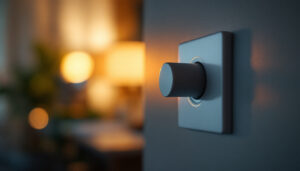
Incorporating dimmable LEDs and smart lighting controls with low hanging pendants can dramatically improve energy efficiency. Dimmers allow users to adjust light levels to their needs, preventing unnecessary full-brightness operation. Smart controls can automate lighting schedules or respond to occupancy sensors, ensuring lights are only on when needed. This not only contributes to energy savings but also enhances the overall user experience by allowing for personalized lighting settings that can adapt to various activities, whether it’s hosting a dinner party or enjoying a quiet evening at home.
Lighting contractors can add value by integrating these technologies during installation, offering clients a modern, energy-conscious solution that also enhances convenience and comfort. Furthermore, the integration of smart home systems with low hanging pendants can lead to innovative features such as voice control or remote access via smartphone apps, allowing users to manage their lighting effortlessly from anywhere. This level of control not only promotes energy savings but also elevates the aesthetic appeal of spaces, as users can easily create the perfect ambiance for any occasion with just a few taps or voice commands.
Material and Style Choices Impacting Efficiency
Reflective and Translucent Shades
The materials used in pendant shades affect how light is distributed and absorbed. Shades made from reflective metals or light-colored materials bounce more light downward and outward, maximizing illumination with less energy. Conversely, dark or heavily textured shades absorb light, requiring higher wattage to achieve the same brightness.
Contractors should guide clients toward fixtures that complement the room’s lighting needs and promote efficiency. For example, a kitchen might benefit from polished aluminum shades, while a dining area could use frosted glass to soften light without sacrificing output.
Minimalist Designs for Maximum Impact
Simple, streamlined pendant designs not only suit contemporary aesthetics but also contribute to energy efficiency. Bulky fixtures can block or scatter light, reducing effectiveness. Clean lines and open designs allow light to travel freely, enhancing brightness and reducing the need for additional fixtures.
Choosing minimalist pendants aligns with energy-saving goals and appeals to clients seeking modern, functional lighting solutions.
Installation Best Practices for Energy Efficiency
Proper Wiring and Fixture Placement
Correct installation is critical to maximizing the energy efficiency of low hanging pendant lights. Wiring should be done to support dimming and smart control systems without flicker or power loss. Additionally, spacing between multiple pendants must be planned to avoid overlapping light pools, which can waste energy.
Contractors should conduct a thorough lighting layout analysis before installation, considering room size, function, and existing light sources. This ensures each pendant contributes effectively to the overall lighting scheme.
Maintenance and Upkeep
Regular maintenance of pendant lights helps sustain their energy-efficient performance. Dust and grime on bulbs and shades can reduce light output, prompting higher energy use to compensate. Cleaning fixtures and replacing bulbs promptly keeps the system running optimally.
Contractors can offer maintenance plans or client education to encourage upkeep, extending the life and efficiency of the lighting installation.
Case Studies: Real-World Energy Savings with Low Hanging Pendants
Commercial Kitchen Retrofit
A restaurant upgraded its lighting by replacing traditional fluorescent fixtures with low hanging LED pendant lights over prep stations and dining areas. The focused illumination reduced the number of fixtures needed by 30%, cutting energy consumption by nearly 40%. Staff reported improved visibility and reduced eye strain, while the owner noted lower utility bills within months.
Residential Kitchen Remodel
In a home renovation, a lighting contractor installed a series of adjustable low hanging pendants above the kitchen island. Using dimmable LEDs combined with smart controls, the homeowner could tailor lighting to different times of day and activities. This customization led to a 25% reduction in lighting energy use compared to the previous setup.
Final Thoughts: Why Lighting Contractors Should Prioritize Low Hanging Pendant Lights
Low hanging pendant lights represent a smart intersection of design and energy efficiency. For lighting contractors, mastering their selection, placement, and integration with modern technology is a pathway to delivering superior value to clients. These fixtures not only enhance the visual appeal of a space but also contribute significantly to reducing energy consumption and operational costs.
Staying informed about the latest bulb technologies, control systems, and installation techniques ensures that contractors can recommend and implement solutions that meet both aesthetic and sustainability goals. In an industry increasingly focused on energy-conscious design, low hanging pendant lights are an essential tool in the contractor’s arsenal.
Illuminate Your Projects with LumenWholesale
Ready to elevate your lighting projects with the perfect blend of style and energy efficiency? Look no further than LumenWholesale for a vast selection of spec-grade low hanging pendant lights at unbeatable wholesale prices. We provide contractors with high-quality lighting solutions that meet the highest industry standards, ensuring every installation shines with reliability and performance. Take advantage of our hassle-free bulk buying and free shipping to get premium lighting at the best value — without any hidden fees. Visit LumenWholesale today and discover how we can help you achieve the perfect balance of quality, affordability, and convenience for all your lighting needs.