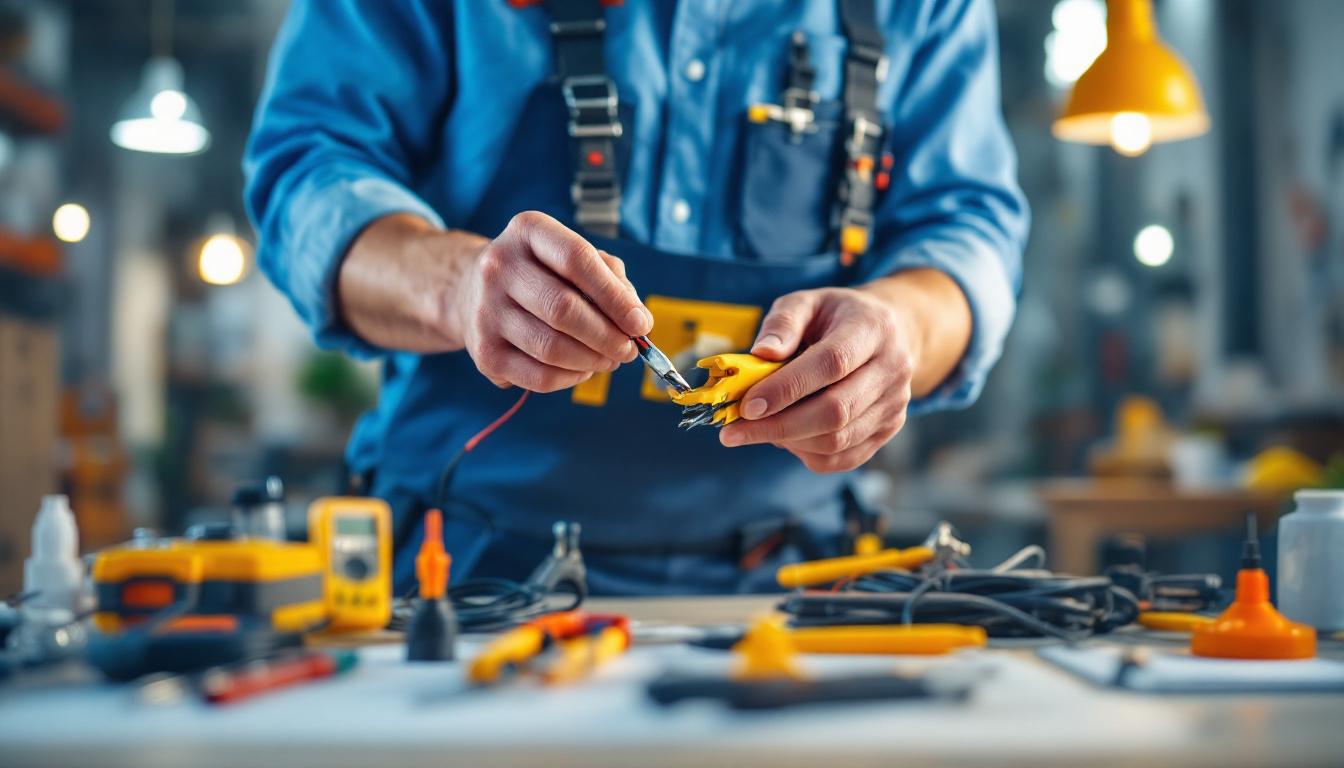
Understanding the Retro Strip: Why It Matters
Lighting contractors often encounter projects where upgrading or retrofitting existing lighting fixtures is the most practical solution. Retro strips—long, narrow LED modules designed to replace fluorescent tubes or other traditional lighting elements—have become indispensable in these scenarios. They offer energy efficiency, improved light quality, and ease of installation, making them a favorite among professionals. The shift to retro strips not only enhances the aesthetic appeal of a space but also contributes significantly to reducing energy consumption, which is increasingly important in today’s environmentally conscious market.
Moreover, retro strips come in various color temperatures and brightness levels, allowing contractors to tailor the lighting to the specific needs of each project. This flexibility means that whether a contractor is working on a commercial space that requires bright, focused lighting or a cozy residential setting that benefits from warmer hues, retro strips can meet those demands effectively. Additionally, many retro strips are designed with advanced features such as dimming capabilities and smart technology integration, further enhancing their appeal and functionality in modern lighting design.
But success with retro strips depends heavily on having the right tools at your disposal. Without them, even the simplest retrofit can become a frustrating, time-consuming task. Essential tools include wire strippers, voltage testers, and specialized mounting hardware that ensure a secure and safe installation. Additionally, having a reliable multimeter can help contractors diagnose any electrical issues that may arise during the retrofit process. This article dives into the essential tools every lighting contractor should have to handle retro strip installations efficiently and safely. By equipping themselves with the right tools, contractors can not only streamline their workflow but also enhance the overall quality of their installations, leading to satisfied clients and repeat business.
Precision Measurement Tools: The Foundation of Accurate Installation
Laser Distance Measurers
Accurate measurements are critical when working with retro strips. Laser distance measurers provide quick, precise readings of room dimensions, fixture lengths, and mounting heights. Unlike traditional tape measures, these devices reduce human error and speed up the planning process.
For example, when retrofitting a long row of fluorescent fixtures, knowing the exact length helps in selecting the right strip size and ensures a clean, professional finish. Many laser measurers now come with Bluetooth connectivity, allowing contractors to transfer measurements directly to project management apps or blueprints. This integration not only streamlines the workflow but also enhances collaboration among team members, as everyone can access the latest measurements in real-time. Furthermore, some advanced models even offer features like area and volume calculations, which can be particularly useful for estimating material needs and optimizing resource allocation.
Digital Multimeters
Electrical safety and functionality are paramount. Digital multimeters allow contractors to test voltage, current, and resistance before, during, and after installation. This tool helps verify that power supplies and retro strips are operating within specifications, preventing costly mistakes or dangerous faults.
Modern multimeters often feature auto-ranging capabilities and backlit displays, which are invaluable when working in dimly lit spaces or cramped ceilings. Investing in a reliable, rugged model can save time and enhance job site safety. Additionally, many digital multimeters now include advanced features such as data logging and connectivity options, enabling users to track performance over time or share results with clients and colleagues. This capability is especially beneficial for ongoing maintenance and troubleshooting, as it provides a historical context that can aid in diagnosing recurring issues. The versatility of these tools makes them indispensable for any contractor looking to ensure both the quality and safety of their electrical installations.
Installation Tools: Making the Job Faster and Cleaner
Wire Strippers and Crimpers
Retrofitting lighting fixtures usually involves rewiring or connecting new LED modules to existing electrical circuits. High-quality wire strippers and crimpers ensure clean, secure connections without damaging the conductors.
Look for tools with adjustable tension and multiple gauge settings to accommodate various wire sizes. Ergonomic handles reduce hand fatigue during extended use, which is a big advantage on large jobs. Properly stripped and crimped wires not only improve electrical contact but also reduce the risk of shorts or failures. Additionally, investing in a wire stripper that features built-in wire cutters can save time and space in your toolbox, allowing for a more streamlined workflow. Some advanced models even come with integrated measuring tools, enabling precise cuts that enhance overall installation efficiency.
Cordless Power Drivers
Speed and precision are key during installation. Cordless power drivers equipped with variable speed settings and torque control allow contractors to quickly secure retro strips and mounting brackets without stripping screws or damaging fixtures.
Battery life and weight are important considerations. Tools with brushless motors tend to offer longer runtimes and greater durability. Additionally, having a couple of batteries on hand ensures uninterrupted workflow. Many modern cordless drivers also feature LED lights to illuminate dark spaces, making it easier to work in tight or poorly lit areas. Furthermore, some models come with a magnetic bit holder, which can prevent dropped screws and save valuable time during installations, especially when working at heights or in confined spaces.
Heat Guns
Some retro strip installations require heat-shrink tubing to protect wire connections or to secure cables neatly. A quality heat gun provides controlled heat to shrink tubing evenly without damaging surrounding materials.
Look for models with adjustable temperature settings and multiple nozzles for different applications. Heat guns are also useful for loosening old adhesives or softening paint during fixture removal, making them versatile tools on the job. Moreover, some heat guns come with built-in safety features such as automatic shut-off and cool-down settings, which not only enhance user safety but also prolong the life of the tool. When selecting a heat gun, consider one with a lightweight design and a comfortable grip, as this can significantly reduce strain during prolonged use, allowing for more precise control and better results.
Safety Gear: Protecting Yourself on Every Job
Insulated Gloves
Handling electrical components demands protection. Insulated gloves rated for electrical work prevent shocks when working near live circuits. They also provide grip and dexterity, which are essential when manipulating small parts or wiring in tight spaces.
Ensure gloves meet industry standards and are regularly inspected for wear or damage. Combining gloves with other protective gear creates a safer work environment and reduces the risk of accidents. Additionally, consider the temperature ratings of insulated gloves, especially when working in extreme conditions. Cold weather can make materials more brittle, while heat can lead to discomfort and distraction. Selecting gloves that are not only insulated but also breathable can enhance comfort during prolonged use, allowing for better focus on the task at hand.
Eye Protection and Headlamps
Eye protection guards against dust, debris, and accidental sparks during installation or removal of fixtures. Safety glasses or goggles with anti-fog coatings improve visibility and comfort.
Headlamps free up hands while illuminating dark ceilings or crawl spaces. Opt for models with adjustable brightness and beam focus to adapt to different environments. Good lighting is crucial for spotting wiring errors and ensuring precise work. Furthermore, consider headlamps with long battery life or rechargeable options to avoid interruptions during critical tasks. The convenience of hands-free lighting allows for greater mobility and efficiency, enabling you to navigate complex workspaces without the hassle of holding a flashlight. In addition to headlamps, portable work lights can also enhance visibility in larger areas, ensuring that every corner is well-lit and safe for operation.
Testing and Troubleshooting Equipment
Non-Contact Voltage Testers
Before touching any wires, confirming that circuits are de-energized is a must. Non-contact voltage testers detect the presence of voltage without direct contact, offering a quick and safe way to verify power status.
These compact tools are easy to carry and use, making them a staple in any lighting contractor’s toolkit. Some models also include audible alarms and LED indicators for added confidence.
Light Meters
Measuring illumination levels ensures that retro strip installations meet design specifications and building codes. Light meters provide objective data on brightness, uniformity, and color temperature.
Accurate readings help contractors adjust placement or select appropriate strips to achieve the desired lighting effect. This is especially important in commercial or industrial settings where compliance and occupant comfort are priorities.
Organizational Tools: Keeping Projects on Track
Tool Bags and Modular Storage
Having the right tools is only half the battle; keeping them organized and accessible is equally important. Durable tool bags with multiple compartments help contractors carry essential gear to the job site efficiently.
Modular storage systems with labeled bins and removable trays make it easier to find connectors, screws, and small parts quickly. This reduces downtime and frustration, especially when working on tight schedules.
Digital Documentation Apps
Modern lighting contractors benefit from apps that allow digital note-taking, photo documentation, and project tracking. These tools help record measurements, installation steps, and any issues encountered during retro strip upgrades.
Sharing this information with clients or team members fosters transparency and improves communication. Many apps also integrate with inventory management systems, helping contractors keep track of supplies and reorder when necessary.
Conclusion: Equipping for Success
Retro strip installations demand a blend of precision, safety, and efficiency. Equipping yourself with the right tools-from laser measurers and digital multimeters to insulated gloves and light meters-can transform a challenging retrofit into a streamlined process.
Investing in quality tools not only improves workmanship but also enhances safety and client satisfaction. For lighting contractors, this means fewer callbacks, faster project completion, and a reputation for professionalism.
Ultimately, the right toolkit is an extension of your expertise. It empowers you to tackle any retro strip project with confidence, delivering lighting solutions that stand the test of time.
Get Your Essential Retro Strip Tools at LumenWholesale
Ready to elevate your lighting projects with the right tools and top-quality retro strips? Look no further than LumenWholesale, where we offer spec-grade lighting products at unbeatable wholesale prices. Say goodbye to middleman markups and hello to superior lighting solutions that meet the highest industry standards. With our hassle-free bulk buying and free shipping, you can stock up on all the essential tools and lighting products you need to ensure your projects shine. Don’t compromise on quality or value—choose LumenWholesale for the perfect blend of affordability and convenience. Wholesale Lighting at the Best Value is just a click away. Equip yourself for success and make your next retro strip installation a breeze with LumenWholesale.