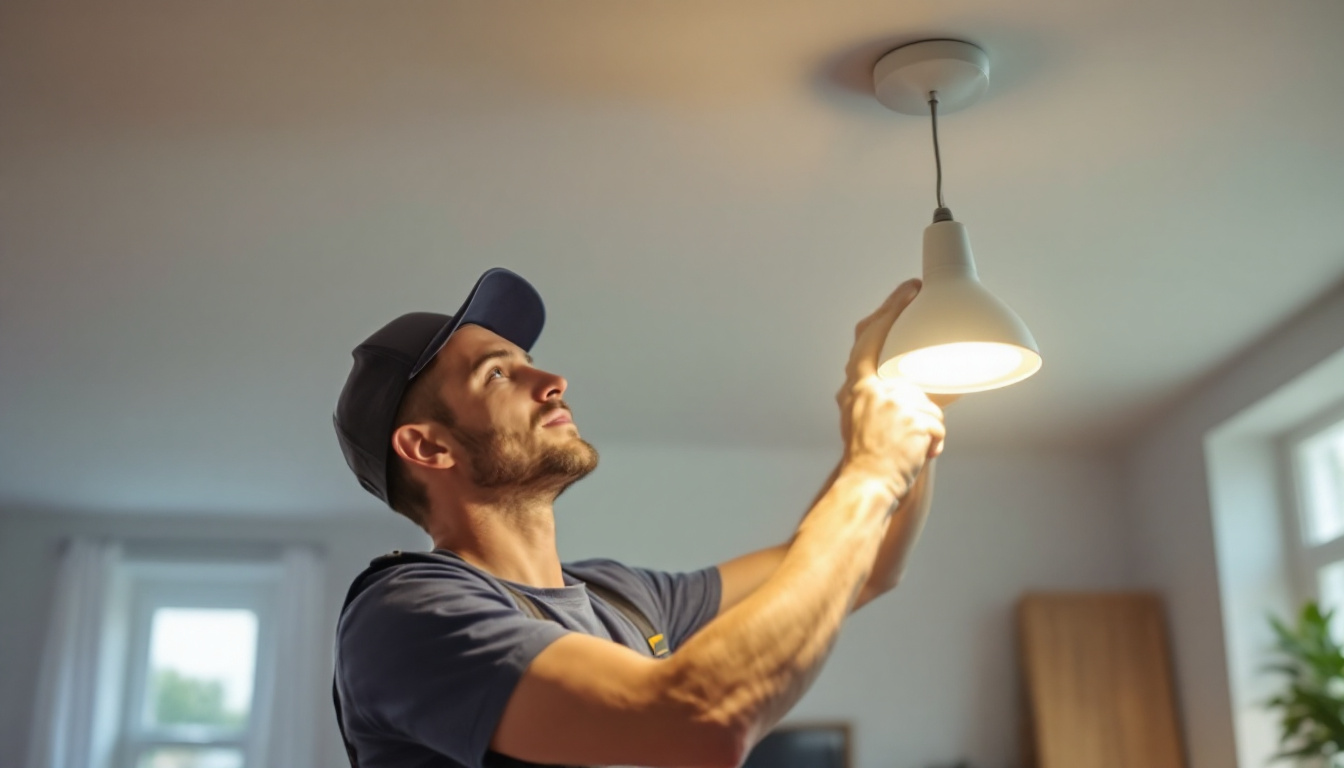
Introduction to UV Light Room Sterilization
Ultraviolet (UV) light has emerged as a powerful tool in the fight against pathogens in indoor environments. For lighting contractors, understanding the principles, applications, and safety considerations of UV light room sterilizers is essential. These devices use specific wavelengths of UV light to inactivate bacteria, viruses, and fungi, providing an additional layer of protection in healthcare facilities, commercial buildings, schools, and other high-traffic areas.
As the demand for improved indoor air quality and surface hygiene grows, lighting professionals are increasingly called upon to integrate UV sterilization solutions into their projects. This article provides a comprehensive overview of UV light room sterilizers, focusing on what lighting contractors need to know to make informed decisions and deliver effective installations.
UV light sterilization works primarily through a process called photodimerization, where the UV light damages the DNA or RNA of microorganisms, rendering them incapable of reproduction and infection. This method has been proven effective against a wide range of pathogens, including the notorious SARS-CoV-2 virus responsible for COVID-19. As a result, many facilities are now looking to UV sterilization as a proactive measure to safeguard public health, particularly in spaces where traditional cleaning methods may fall short. The integration of UV technology not only enhances the safety of the environment but also boosts the confidence of occupants, knowing that measures are in place to reduce the risk of transmission of infectious diseases.
Moreover, the versatility of UV light room sterilizers extends beyond just air purification. These systems can be incorporated into existing HVAC systems, installed as standalone units, or even integrated into lighting fixtures themselves. This adaptability allows for seamless implementation in various settings, from hospitals and clinics to offices and educational institutions. The ease of installation and maintenance is another appealing aspect for contractors, as many modern UV systems are designed with user-friendly features and require minimal oversight. As the technology continues to evolve, advancements such as smart UV systems that can monitor and adjust their output based on real-time environmental conditions are becoming increasingly common, offering even greater efficacy in pathogen control.
Understanding UV Light and Its Sterilization Mechanism
What is UV Light?
UV light is a form of electromagnetic radiation with wavelengths shorter than visible light but longer than X-rays. It is typically divided into three categories based on wavelength: UVA (315–400 nm), UVB (280–315 nm), and UVC (100–280 nm). Of these, UVC light is most effective for sterilization purposes due to its germicidal properties.
UVC light at around 254 nm disrupts the DNA and RNA of microorganisms, preventing them from replicating and effectively rendering them inactive. This mechanism makes UVC an invaluable tool for disinfecting air, surfaces, and water without the use of chemicals. In fact, UVC light has been utilized in various industries, including healthcare, food processing, and water treatment, demonstrating its versatility and effectiveness in maintaining hygiene and safety standards.
How UV Light Sterilizes Rooms
UV room sterilizers typically employ UVC lamps or LEDs to emit germicidal wavelengths throughout a space. The light penetrates the cell walls of pathogens, causing molecular damage that inhibits their ability to reproduce and cause infection. Unlike chemical disinfectants, UV sterilization leaves no residue and can be used repeatedly without degrading surfaces. This characteristic not only makes it an eco-friendly option but also reduces the risk of chemical exposure to sensitive populations, such as children and individuals with respiratory issues.
However, the effectiveness of UV sterilization depends on factors such as exposure time, distance from the light source, and the presence of shadows or obstructions. Proper design and installation are critical to ensure comprehensive coverage and optimal pathogen inactivation. Additionally, it is important to note that while UVC light is effective against many types of bacteria and viruses, it may not eliminate all pathogens, particularly those that are shielded by biofilms or other protective layers. Therefore, combining UV sterilization with other cleaning methods can enhance overall efficacy and ensure a more thorough disinfection process.
Types of UV Light Room Sterilizers and Their Applications
Fixed UV-C Fixtures
Fixed UV-C fixtures are installed permanently in ceilings, walls, or HVAC systems. These devices are often integrated into the lighting infrastructure and provide continuous or scheduled sterilization cycles. They are commonly used in hospitals, laboratories, and commercial buildings where consistent disinfection is required.
Lighting contractors should be familiar with the various fixture designs, including upper-room UVGI (Ultraviolet Germicidal Irradiation) systems that irradiate the upper portion of a room to disinfect air as it circulates. Proper placement and shielding are essential to protect occupants from direct UV exposure. Additionally, these fixtures can be programmed to operate during off-peak hours or when the room is unoccupied, maximizing their effectiveness while minimizing risk. The integration of sensors can further enhance their functionality, allowing for real-time monitoring of UV intensity and ensuring that the sterilization levels remain within safe and effective parameters.
Portable UV Sterilizers
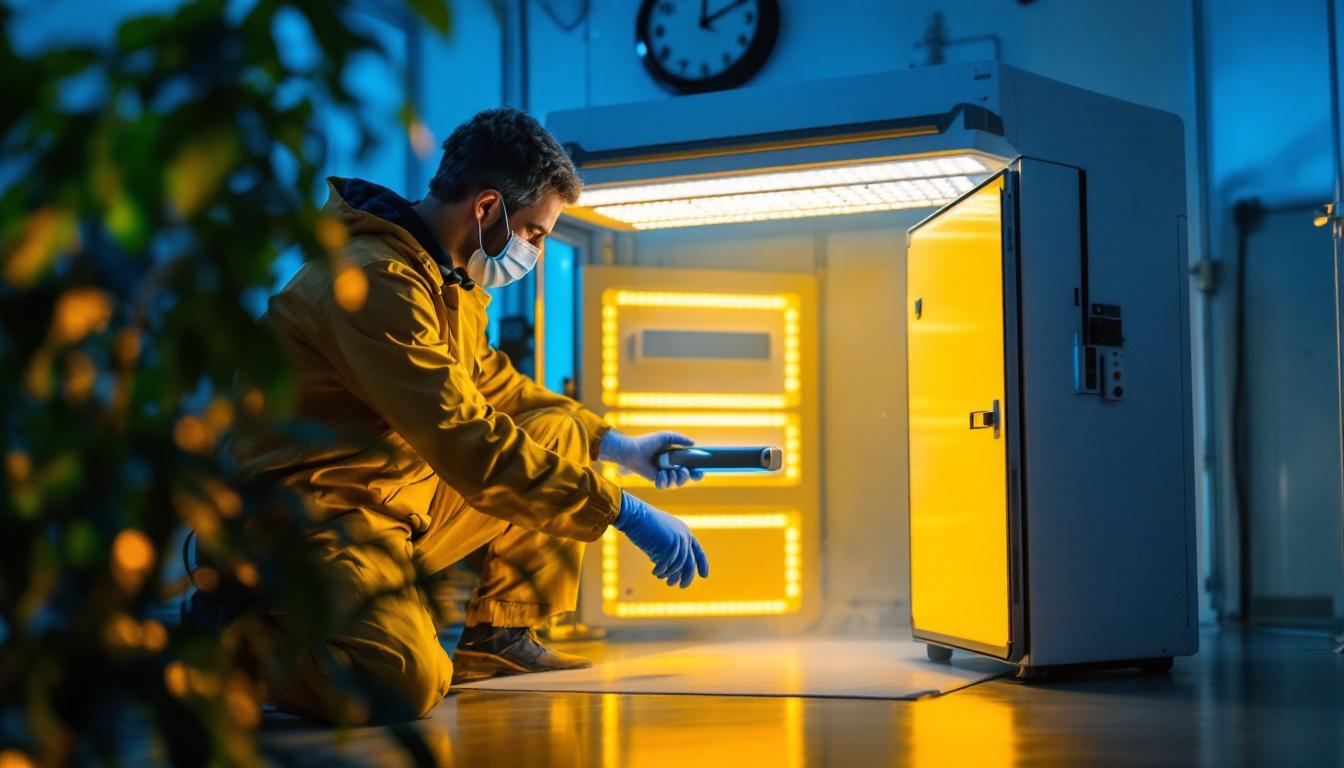
Portable UV sterilizers are mobile units that can be moved between rooms for targeted disinfection. These devices are widely used in healthcare settings for terminal cleaning of patient rooms and in commercial spaces for periodic sterilization. They often feature multiple UVC lamps arranged to maximize coverage and can include safety interlocks to prevent accidental exposure.
Contractors may be involved in specifying power requirements, ensuring adequate electrical supply, and advising clients on safe operation and maintenance of these units. Furthermore, the versatility of portable UV sterilizers allows them to be utilized in various environments, from schools and daycare centers to gyms and public transportation. As awareness of infection control increases, the demand for these portable solutions is likely to grow, prompting contractors to keep abreast of the latest models and technologies that enhance efficacy and user-friendliness.
UV-C LEDs: The Emerging Technology
UV-C LEDs represent a newer technology with advantages such as compact size, instant on/off capability, and lower energy consumption. While their germicidal efficacy is comparable to traditional mercury vapor lamps, LEDs offer greater flexibility in design and integration with modern lighting systems.
Lighting contractors should stay informed about advancements in UV-C LED technology, as these devices are increasingly incorporated into air purifiers, HVAC systems, and architectural lighting solutions. The shift towards UV-C LEDs also aligns with sustainability goals, as they produce less waste and have a longer lifespan than conventional UV sources. Moreover, their ability to be easily integrated into existing systems opens up new possibilities for creating multifunctional environments that prioritize health and safety without compromising on aesthetics. As research continues to explore the full potential of UV-C LEDs, contractors will need to adapt their strategies to leverage these innovations effectively, ensuring that clients receive the most advanced and efficient sterilization solutions available.
Key Considerations for Lighting Contractors
Safety Protocols and Regulations
UV-C light can be harmful to human skin and eyes, causing burns or photokeratitis if exposure is uncontrolled. Therefore, adherence to safety standards and regulations is paramount. Contractors must ensure that UV sterilizers are installed with appropriate shielding, interlocks, and warning signage to prevent accidental exposure.
Familiarity with guidelines from organizations such as the Illuminating Engineering Society (IES), the American Conference of Governmental Industrial Hygienists (ACGIH), and local regulatory bodies is essential. These standards dictate permissible exposure limits and best practices for UVGI system design and operation.
Integration with Existing Lighting Systems
Integrating UV sterilization with conventional lighting systems requires careful planning. Contractors must consider electrical load, control systems, and compatibility with building automation. Some UV sterilizers are designed to operate independently, while others can be synchronized with occupancy sensors and HVAC controls to optimize energy use and safety.
Additionally, the aesthetics and physical footprint of UV fixtures should be balanced with functional requirements. Ensuring that UV lamps do not interfere with ambient lighting or occupant comfort is a key design challenge.
Maintenance and Lamp Lifespan
UV lamps degrade over time, with output intensity diminishing after thousands of operating hours. Regular maintenance, including lamp replacement and cleaning of fixtures, is critical to maintain sterilization efficacy. Lighting contractors should educate clients on maintenance schedules and provide services or referrals for ongoing support.
LED-based UV sterilizers typically have longer lifespans and lower maintenance needs, but they still require periodic inspection to ensure consistent performance.
Benefits of UV Light Room Sterilizers for Clients
Enhanced Infection Control
UV light sterilization provides a chemical-free method to reduce microbial load in indoor environments. This is particularly valuable in healthcare settings, where controlling hospital-acquired infections (HAIs) is a top priority. Studies have shown that UVGI systems can reduce pathogen transmission rates significantly when used as part of a comprehensive infection control strategy.
For commercial clients, UV sterilizers can contribute to healthier workplaces by minimizing the spread of common illnesses such as influenza and the common cold.
Energy Efficiency and Sustainability
UV sterilization can complement traditional cleaning methods, potentially reducing the need for harsh chemical disinfectants and frequent manual cleaning. This can lead to cost savings and a smaller environmental footprint. Moreover, modern UV-C LED systems are energy-efficient and can be integrated with smart building technologies to optimize operation.
Market Differentiation and Client Trust
Offering UV light sterilization solutions can position lighting contractors as forward-thinking professionals who prioritize health and safety. This capability can differentiate contractors in a competitive market and build client trust, especially in sectors where hygiene is paramount.
Challenges and Limitations of UV Light Room Sterilizers
Shadowing and Surface Coverage
UV light sterilization is line-of-sight dependent; surfaces shielded from direct exposure may not be effectively disinfected. This limitation requires careful fixture placement and, in some cases, complementary cleaning methods to ensure comprehensive sterilization.
Material Compatibility
Prolonged exposure to UVC light can degrade certain materials such as plastics, rubber, and fabrics. Lighting contractors should advise clients on potential material impacts and recommend UV-resistant products where necessary.
Initial Costs and Client Education
The upfront cost of UV sterilization systems can be significant, and clients may require education on the benefits and operational requirements. Lighting contractors play a crucial role in communicating value propositions and ensuring clients understand maintenance and safety protocols.
Conclusion: Equipping Lighting Contractors for the Future
UV light room sterilizers represent a vital advancement in indoor environmental quality and infection control. For lighting contractors, mastering the technical, safety, and integration aspects of these systems is essential to meet evolving client demands and regulatory expectations.
By staying informed about UV technology developments, adhering to safety standards, and offering comprehensive solutions, lighting professionals can enhance their service offerings and contribute to healthier, safer indoor spaces.
Get Your UV Light Room Sterilizers from LumenWholesale
Ready to elevate your lighting projects with the latest UV light room sterilizers? Look no further than LumenWholesale, where we provide lighting contractors with the highest quality, spec-grade lighting products at competitive wholesale prices. Our selection of UV sterilization solutions meets rigorous industry standards, ensuring that you can offer your clients reliable and effective infection control options. Take advantage of our hassle-free bulk buying process, complete with free shipping, and secure the best value for your lighting needs. Visit LumenWholesale today and discover how we combine quality, affordability, and convenience to light up your projects.