Understanding Shop Drop Lights: An Essential Overview
Shop drop lights are a fundamental component in many industrial, commercial, and residential lighting projects. For lighting contractors, mastering the nuances of these fixtures is crucial to delivering safe, efficient, and code-compliant installations. But what exactly are shop drop lights, and why do they matter so much in the lighting industry?
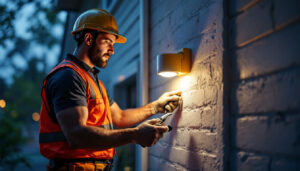
At their core, shop drop lights are temporary or semi-permanent lighting fixtures suspended from ceilings or overhead structures, typically used in workshops, garages, construction sites, and retail environments. They provide localized illumination where overhead lighting is insufficient or unavailable. Their versatility and ease of installation make them a go-to solution for contractors working in dynamic or evolving spaces.
However, the simplicity of shop drop lights can be deceptive. Their design, installation, and maintenance involve considerations that directly impact safety, energy efficiency, and compliance with electrical codes. For lighting contractors, understanding these factors is not just about technical proficiency—it’s about ensuring client satisfaction and protecting their own professional reputation.
One of the key advantages of shop drop lights is their adaptability to various environments. For instance, in a construction site, these lights can be easily repositioned as the project evolves, providing illumination exactly where it is needed most. This flexibility is particularly valuable in large spaces where traditional fixed lighting may leave dark corners or shadows, potentially creating safety hazards. Additionally, many modern shop drop lights come equipped with LED technology, which not only enhances brightness but also significantly reduces energy consumption, making them a cost-effective choice for long-term use.
Moreover, the aesthetic appeal of shop drop lights should not be overlooked. While functionality is paramount, the design of these fixtures can also contribute to the overall ambiance of a space. In retail environments, for example, strategically placed drop lights can highlight products and create an inviting atmosphere for customers. The ability to choose from various styles, colors, and brightness levels allows contractors to tailor their lighting solutions to meet both practical needs and design preferences, further emphasizing the importance of understanding the full range of options available in the realm of shop drop lights.
Key Types and Designs of Shop Drop Lights
Basic Components and Variations
Shop drop lights generally consist of a light bulb socket attached to a cord or chain, which is then suspended from the ceiling or a structural element. The light source can vary widely—from incandescent and fluorescent bulbs to modern LED lamps. The choice of bulb type influences energy consumption, light quality, and heat output, all critical factors for contractors to consider. Furthermore, the design of the cord or chain can also play a role in the overall functionality and aesthetic of the workspace, with options ranging from simple, utilitarian designs to more decorative choices that can enhance the ambiance of a retail environment.
There are several common designs:
- Handheld Drop Lights: Portable lights with a hook or handle, often used for temporary illumination in tight spaces. These lights are particularly useful for mechanics or electricians who need to direct light precisely where it’s needed.
- Fixed Drop Lights: Suspended fixtures installed with permanent wiring, ideal for workshops or retail spaces requiring consistent lighting. These fixtures can be customized in terms of height and angle to ensure optimal lighting coverage across work areas.
- Protective Cage Drop Lights: These include a metal cage around the bulb to prevent breakage, essential in environments where the light might be bumped or exposed to debris. This design is particularly favored in construction sites or industrial settings, where durability is paramount.
LED vs. Traditional Bulbs
The lighting industry has seen a significant shift toward LED technology due to its energy efficiency and longevity. LEDs consume up to 75% less energy than incandescent bulbs and last 25 times longer, which can translate into substantial cost savings over time. For shop drop lights, LEDs also produce less heat, reducing fire hazards and improving safety in confined or cluttered workspaces. Additionally, the versatility of LED lights allows for a range of color temperatures, enabling contractors to choose warmer hues for a cozy atmosphere or cooler tones for a more focused, alert environment.
However, LEDs require compatible fixtures and drivers, and contractors must ensure that the drop light assemblies are rated for LED use. Additionally, LED lights often come with integrated electronics that can be sensitive to voltage fluctuations, underscoring the importance of proper installation and electrical system assessment. It’s also worth noting that while the initial investment in LED technology may be higher, the long-term savings in energy bills and replacement costs make them a wise choice for many businesses. As technology continues to advance, we can expect further innovations in LED designs, including smart lighting options that allow for remote control and automation, further enhancing the functionality of shop drop lights.
Safety Considerations and Electrical Code Compliance
Understanding Electrical Codes and Standards
Lighting contractors must be well-versed in the National Electrical Code (NEC) and local regulations governing the installation of drop lights. The NEC provides guidelines on wiring methods, fixture mounting, grounding, and protection against electrical hazards. Compliance is not optional—it is a legal requirement that protects both the contractor and the end user.
For example, NEC Article 410 covers luminaires, lamp holders, and lamps, detailing requirements for secure mounting and wiring. Contractors should also pay attention to sections related to temporary lighting, especially on construction sites, where drop lights are commonly used.
Preventing Overheating and Fire Hazards
One of the most critical safety concerns with shop drop lights is overheating. Traditional incandescent bulbs can reach high temperatures, posing a fire risk if they come into contact with flammable materials. Protective cages and heat-resistant cords mitigate this risk, but proper spacing and ventilation are equally important.
LED drop lights greatly reduce this risk due to their lower heat emission, but contractors should still verify that fixtures are rated for the intended environment. Using bulbs with wattage exceeding the fixture’s rating is a common mistake that can lead to overheating and equipment failure.
Grounding and Electrical Protection
Proper grounding is essential to prevent electrical shock and ensure system stability. Contractors must verify that all metal components of the drop light assembly are grounded according to code. Additionally, using Ground Fault Circuit Interrupters (GFCIs) in damp or outdoor environments adds an extra layer of protection for workers and occupants.
Installation Best Practices for Lighting Contractors
Site Assessment and Planning
Before installation, a thorough site assessment is vital. Contractors should evaluate the ceiling height, existing wiring infrastructure, and the intended use of the space. This assessment informs decisions about fixture placement, cord length, and mounting hardware.
Planning also involves coordinating with other trades on site to avoid conflicts with HVAC, plumbing, or structural elements. Clear communication helps prevent costly rework and ensures a smooth installation process.
Choosing the Right Mounting Hardware
Mounting hardware must be appropriate for the weight and type of the drop light fixture. Common options include hooks, chains, cables, or specialized brackets. For heavier fixtures or those installed in seismic zones, additional support and bracing may be required.
Contractors should also consider the ease of maintenance—fixtures that can be easily lowered or accessed reduce downtime and improve safety during bulb replacement or repairs.
Wiring and Connection Techniques
Proper wiring is the backbone of a safe and reliable lighting installation. Contractors should use cables rated for the environment, such as industrial-grade cords for workshops or moisture-resistant wiring for damp locations. Connections should be secure, with strain reliefs to prevent wire damage.
Labeling circuits and documenting the installation details help future maintenance and troubleshooting efforts, adding value to the contractor’s service.
Maintenance and Troubleshooting Tips
Routine Inspection and Cleaning
Regular maintenance extends the life of shop drop lights and ensures consistent performance. Contractors should advise clients to inspect fixtures periodically for signs of wear, such as frayed cords, loose connections, or damaged cages. Cleaning dust and debris from bulbs and reflectors improves light output and reduces heat buildup.
Common Issues and Solutions
Typical problems include flickering lights, burnt-out bulbs, and overheating. Flickering often results from loose wiring or incompatible dimmers, while overheating may indicate the use of incorrect bulbs or insufficient ventilation.
Contractors should be prepared to diagnose these issues quickly and recommend appropriate fixes, such as replacing bulbs with LED alternatives, tightening connections, or upgrading fixtures to meet current standards.
Emerging Trends and Innovations in Shop Drop Lighting
Smart Lighting Integration
The rise of smart lighting technologies is influencing even traditional fixtures like shop drop lights. Wireless controls, motion sensors, and adjustable color temperatures are becoming more accessible, allowing contractors to offer clients enhanced functionality and energy savings.
Integrating smart controls can improve safety by ensuring lights turn off automatically when not needed, and can also enhance productivity in work environments by providing optimal lighting conditions tailored to specific tasks.
Energy Efficiency and Sustainability
With increasing emphasis on green building practices, energy-efficient lighting solutions are a priority. Shop drop lights equipped with LED technology and smart controls contribute to lower energy consumption and reduced carbon footprints. Contractors who stay informed about these trends can position themselves as leaders in sustainable lighting solutions.
Conclusion: Mastering Shop Drop Lights for Professional Excellence
For lighting contractors, shop drop lights represent more than just a basic fixture—they are a critical element that combines safety, functionality, and efficiency. By understanding the types, safety requirements, installation best practices, and emerging technologies, contractors can deliver superior results that meet client expectations and comply with regulatory standards.
Staying current with industry developments and continuously refining skills related to shop drop lighting will not only enhance project outcomes but also strengthen a contractor’s reputation in a competitive market. Ultimately, demystifying shop drop lights empowers contractors to illuminate spaces safely and effectively, lighting the way for professional success.
Illuminate Your Projects with LumenWholesale
Ready to elevate your lighting installations with the highest quality shop drop lights on the market? Look no further than LumenWholesale. We provide lighting contractors with spec-grade lighting solutions that meet the most rigorous industry standards. Our direct-to-contractor approach ensures you get the best value without the added costs of middlemen. Plus, with free shipping on bulk orders, you can stock up on premium lighting while keeping your project budget in check. Don’t compromise on quality or price. Wholesale Lighting at the Best Value is just a click away. Experience the LumenWholesale difference today!