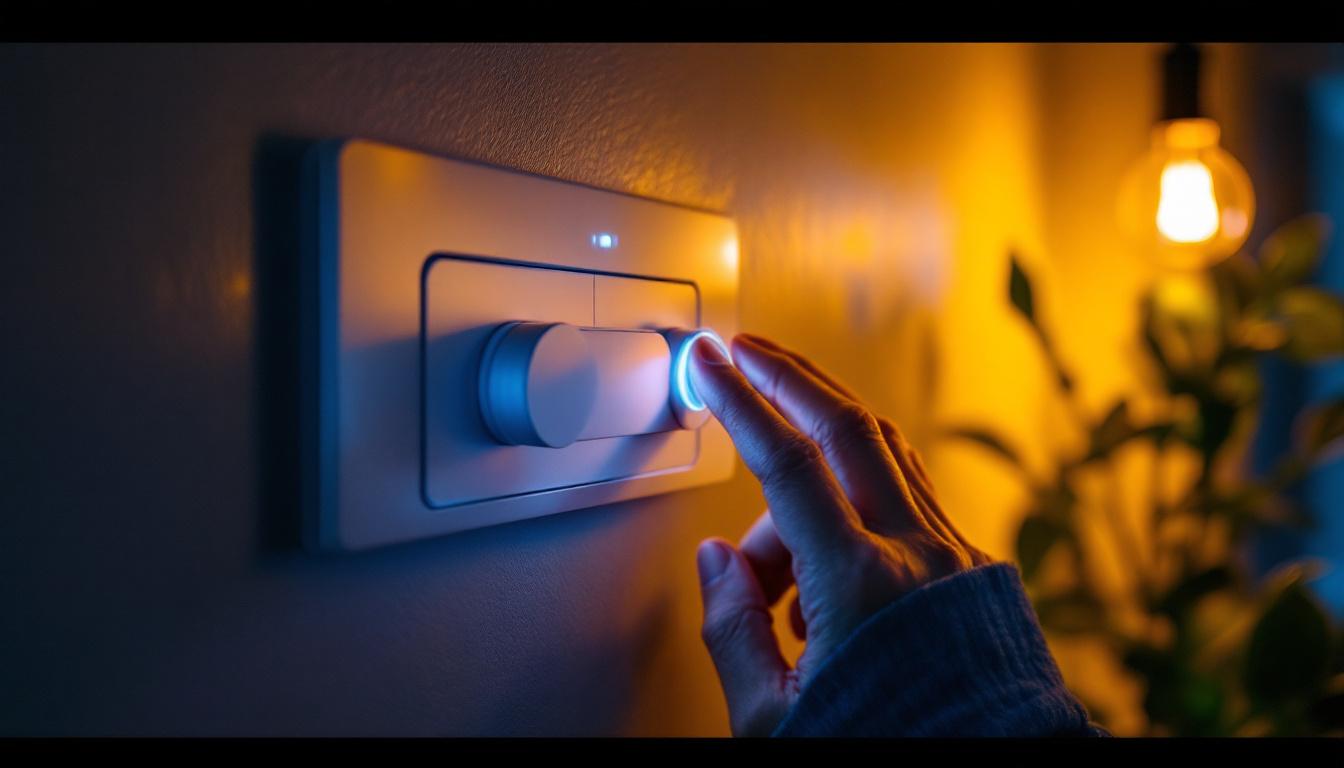
Understanding the Basics of LED Dimming Technology
LED lighting has revolutionized the lighting industry with its energy efficiency, longevity, and versatility. However, dimming LED lights presents unique challenges compared to traditional incandescent bulbs. For lighting contractors, understanding how LED dimmers work is crucial to delivering effective and reliable lighting solutions that meet client expectations.
At its core, dimming an LED involves controlling the amount of electrical current or power delivered to the LED driver, which in turn adjusts the brightness of the LED. Unlike incandescent bulbs that simply reduce voltage to lower brightness, LEDs require more sophisticated control methods due to their electronic nature. This fundamental difference influences the design and compatibility of dimmer switches used in LED applications.
Types of LED Dimming Methods
Two primary methods are used to dim LED lights: leading-edge (forward phase) dimming and trailing-edge (reverse phase) dimming. Leading-edge dimmers were originally designed for incandescent bulbs and work by cutting the beginning of each AC voltage cycle. While they can sometimes be used with LEDs, they often cause flickering or buzzing due to incompatibility with LED drivers.
Trailing-edge dimmers, on the other hand, cut the end of each AC voltage cycle and are generally more compatible with LED technology. They provide smoother dimming, reduce noise, and are less likely to cause flickering. Many modern LED dimmers use trailing-edge technology, but contractors must verify compatibility with specific LED fixtures and drivers.
In addition to these methods, there are also advanced dimming technologies such as digital dimming and 0-10V dimming. Digital dimming utilizes a communication protocol that allows for precise control over brightness levels, making it ideal for commercial applications where lighting needs can change frequently. 0-10V dimming, on the other hand, involves sending a low-voltage signal to the LED driver, allowing for gradual dimming from full brightness down to a very low level. This method is particularly favored in large installations, such as offices and auditoriums, where uniform lighting control is essential for creating the desired atmosphere.
Moreover, the integration of smart technology has further transformed the landscape of LED dimming. Smart dimmers can be controlled via mobile apps or voice commands, allowing users to customize their lighting experience easily. These systems often include features like scheduling, scene setting, and even integration with home automation systems, providing a level of convenience and adaptability that traditional dimmers cannot match. As the demand for smart home solutions continues to grow, understanding these advanced dimming options will be vital for contractors looking to stay competitive in the evolving market.
Key Challenges Lighting Contractors Face with LED Dimmers
Despite the advantages of LED lighting, contractors frequently encounter several challenges when integrating dimmers into LED installations. These challenges can affect the performance, reliability, and client satisfaction of lighting projects.
Compatibility Issues Between Dimmers and LED Fixtures
One of the most common problems is the lack of compatibility between dimmers and LED fixtures. Many traditional dimmers were not designed to handle the low wattage and electronic drivers of LEDs, leading to erratic behavior such as flickering, buzzing, or limited dimming range. This incompatibility can cause significant frustration for both contractors and end-users.
To address this, contractors must carefully select dimmers that are specifically rated for LED loads and verify compatibility with the LED fixtures being installed. Manufacturers often provide compatibility charts, but real-world testing is recommended to ensure optimal performance. Additionally, staying informed about the latest advancements in dimming technology can help contractors make better choices. Newer dimming systems, such as smart dimmers, offer more flexibility and control, allowing for seamless integration with modern LED fixtures while providing enhanced user experiences.
Minimum Load Requirements and Their Impact
Traditional dimmers often have a minimum load requirement, typically designed around the higher wattage of incandescent bulbs. LEDs consume far less power, sometimes as low as a few watts per fixture, which can fall below the dimmer’s minimum load threshold. When the load is too low, dimmers may not function correctly, resulting in flickering or the lights not turning off completely.
Lighting contractors need to consider the total wattage of the LED fixtures on a circuit and may need to add dummy loads or use specialized LED-compatible dimmers with lower minimum load requirements. This adds complexity to project planning and can increase costs if additional components are necessary. Furthermore, contractors should educate clients about these limitations, as understanding the intricacies of LED dimming can help manage expectations and prevent dissatisfaction with the final outcome.
Flickering and Noise Problems
Flickering and buzzing noises are common complaints associated with LED dimming. Flickering can be caused by incompatible dimmers, poor wiring, or low-quality LED drivers. Buzzing noises often result from the dimmer’s internal components interacting with the LED’s electronic circuitry.
These issues not only degrade the lighting experience but can also raise concerns about electrical safety and product quality. Contractors must diagnose the root causes, which may involve testing different dimmer models, checking wiring integrity, or upgrading to higher-quality LED fixtures with better driver electronics. In some cases, implementing a more robust electrical infrastructure, such as using dedicated circuits for LED lighting, can mitigate these problems. Additionally, educating clients on the importance of selecting high-quality components can lead to long-term satisfaction and reduce the likelihood of callbacks for issues related to dimming performance.
Best Practices for Lighting Contractors When Working with LED Dimmers
To overcome the challenges associated with LED dimming, lighting contractors should adopt best practices that enhance project success and client satisfaction.
Thorough Product Research and Testing
Before installation, contractors should research and test dimmer and LED fixture combinations. Manufacturers’ compatibility lists serve as a useful starting point, but real-world testing under actual operating conditions is invaluable. Testing helps identify potential issues such as flickering or noise before the system is deployed.
Additionally, contractors should stay informed about new dimming technologies and standards that improve LED dimming performance, such as digital or smart dimmers that offer more precise control and integration with building management systems. These advanced dimmers often come equipped with features like programmable settings and remote access, allowing users to tailor their lighting experience to fit their daily routines or special occasions. Furthermore, understanding the differences between leading brands can help contractors recommend the most suitable options for specific projects, ensuring optimal performance and longevity.
Clear Communication with Clients
Educating clients about the nuances of LED dimming is essential. Clients may expect dimming performance identical to incandescent bulbs, which is not always achievable without proper equipment and setup. Setting realistic expectations about dimming range, potential noise, and compatibility issues upfront can prevent dissatisfaction.
Providing clients with options, such as choosing between different dimmer technologies or LED fixtures with enhanced dimming capabilities, empowers them to make informed decisions aligned with their preferences and budget. Additionally, offering demonstrations of how various dimming solutions work can enhance client understanding and confidence in the choices being made. This proactive approach not only fosters trust but also positions the contractor as a knowledgeable partner in the project, ultimately leading to higher satisfaction and potential referrals.
Proper Installation and Wiring Practices
Correct installation techniques are critical to minimizing dimming issues. Contractors should ensure that wiring is secure, polarity is correct, and that dimmers are installed according to manufacturer guidelines. Using high-quality wiring and connectors reduces the risk of electrical noise and flickering.
In multi-dimmer setups, balancing the load and avoiding overloading circuits helps maintain consistent dimming performance. Contractors should also verify that dimmers are compatible with the building’s electrical system, including voltage and phase requirements. Moreover, it is beneficial to document the installation process and any specific configurations used, as this information can be invaluable for future troubleshooting or upgrades. By maintaining a detailed record, contractors can quickly address any issues that arise post-installation, ensuring a smoother experience for both themselves and their clients. Additionally, educating clients on basic maintenance practices can help prolong the life of the dimming systems and enhance their overall satisfaction with the lighting solutions provided.
Emerging Trends and Technologies in LED Dimming
The LED lighting industry continues to evolve, bringing new technologies that address many traditional dimming challenges. Staying abreast of these trends enables contractors to offer cutting-edge solutions to their clients.
Smart and Networked Dimming Systems
Smart dimmers integrated with home automation and building management systems provide enhanced control, energy savings, and customization. These systems often use digital protocols such as DALI (Digital Addressable Lighting Interface) or Zigbee, allowing precise dimming levels and scene setting.
For contractors, installing smart dimming systems requires additional expertise in networking and software configuration but offers significant value to clients seeking modern, flexible lighting solutions.
Universal and Hybrid Dimmers
Universal dimmers designed to work with a wide range of lighting technologies, including LEDs, CFLs, and incandescents, simplify product selection and reduce compatibility issues. Hybrid dimmers combine leading-edge and trailing-edge technologies to optimize performance across different load types.
These innovations reduce the guesswork for contractors and improve the reliability of dimming systems in mixed lighting environments.
Improved LED Driver Designs
Advances in LED driver technology have led to better dimming performance, wider dimming ranges, and reduced flicker. Drivers with built-in dimming protocols and enhanced power factor correction improve compatibility with various dimmers and electrical systems.
Contractors should prioritize LED fixtures with high-quality drivers to minimize dimming-related problems and enhance overall lighting quality.
Conclusion: Navigating the Complexities of LED Dimming
For lighting contractors, mastering the intricacies of LED dimmers is essential to delivering high-quality, reliable lighting solutions. Understanding the technical differences between LED and traditional lighting, recognizing common challenges such as compatibility and load requirements, and adopting best practices in product selection and installation can significantly improve project outcomes.
By staying informed about emerging dimming technologies and maintaining clear communication with clients, contractors can overcome obstacles and harness the full potential of LED lighting systems. This expertise not only enhances client satisfaction but also positions contractors as trusted professionals in the evolving lighting industry.
Illuminate Your Projects with LumenWholesale
Ready to tackle the complexities of LED dimming with confidence? Partner with LumenWholesale for all your lighting needs. Our extensive selection of spec-grade lighting products comes at unbeatable wholesale prices, giving you the quality and affordability you need to light up your projects successfully. Say goodbye to inflated markups and hello to hassle-free bulk buying with free shipping. Elevate your lighting solutions today and experience the perfect blend of quality, affordability, and convenience. Discover Wholesale Lighting at the Best Value now and make LumenWholesale your go-to source for premium lighting.