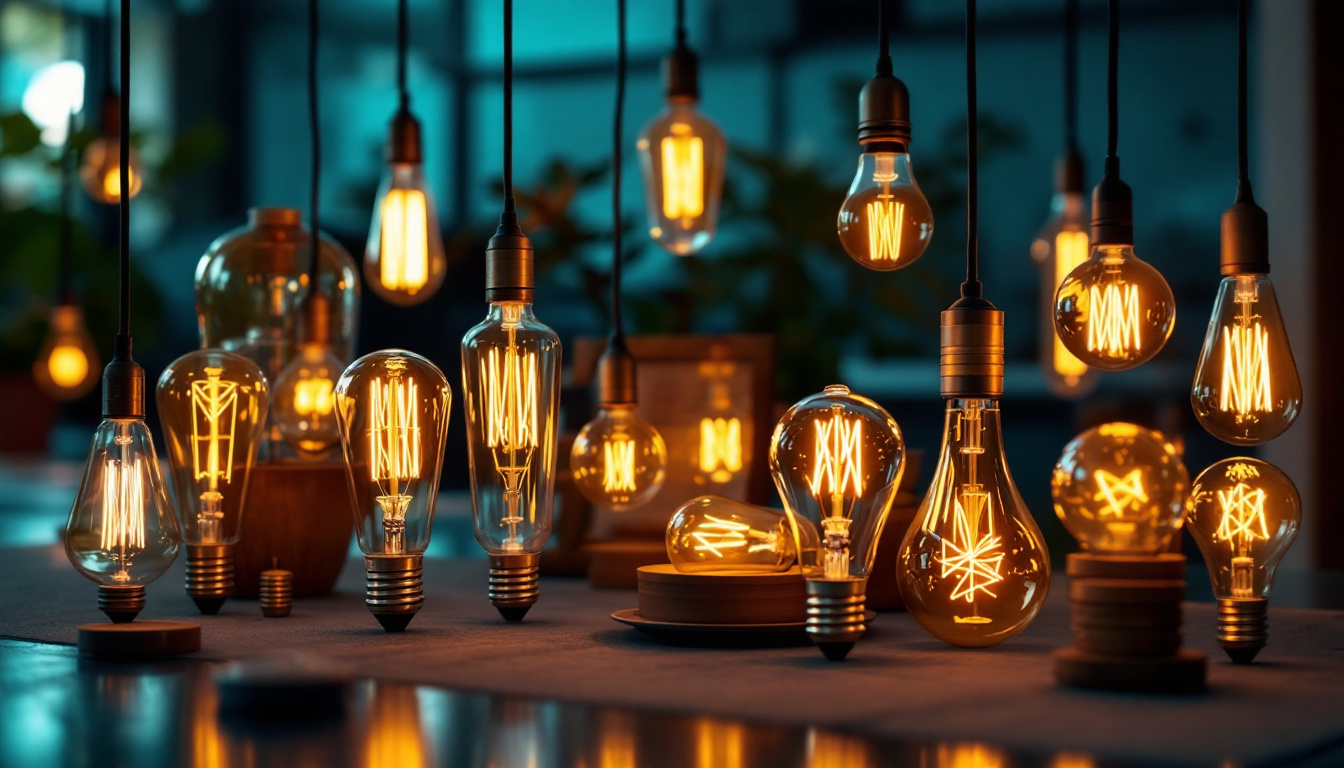
Understanding the Lamp Pot: A Fundamental Component in Lighting Installation
For lighting contractors, a thorough grasp of every component involved in an installation is crucial. Among these, the lamp pot often goes unnoticed despite being a key element in many lighting fixtures. This article delves into the lamp pot’s design, function, and importance, providing contractors with the knowledge needed to optimize installations and ensure safety and efficiency.
The lamp pot, sometimes referred to as a lamp holder or lamp cup, is the socket or housing that secures the light bulb in place and connects it electrically to the power supply. While it might seem like a simple part, its quality and compatibility directly affect the longevity and performance of the lighting system.
In addition to its primary function of holding the bulb securely, the lamp pot plays a vital role in thermal management. Proper heat dissipation is crucial for preventing premature bulb failure and maintaining optimal performance. Many modern lamp pots are designed with materials that can withstand high temperatures and dissipate heat effectively, which is especially important in high-wattage applications. Understanding the thermal properties of different lamp pots can help contractors select the right component for specific lighting scenarios, ensuring that the fixtures operate safely and efficiently over time.
Moreover, the lamp pot’s design can influence the overall aesthetic of a lighting installation. Available in various styles, finishes, and sizes, the lamp pot can complement or contrast with the fixture’s design, contributing to the overall visual appeal of the space. For instance, a sleek, modern lamp pot can enhance the contemporary look of a minimalist fixture, while a vintage-style lamp pot may add character to a retro-inspired design. By considering both functionality and aesthetics, contractors can create lighting solutions that not only perform well but also elevate the ambiance of the environment they are illuminating.
Types of Lamp Pots and Their Applications
Common Lamp Pot Designs
Lighting contractors encounter various lamp pot designs tailored to different bulb types and fixture styles. The most prevalent types include bayonet cap (BC), Edison screw (ES), GU10, and bi-pin holders. Each design corresponds to specific bulb bases, ensuring secure fitting and electrical contact.
For example, the bayonet cap lamp pot features two pins that lock the bulb in place with a twist, offering a robust connection ideal for environments with vibration or movement. Edison screw holders, on the other hand, use a threaded socket, providing a reliable and easy-to-install option widely used in residential and commercial settings. The GU10 design, commonly found in track lighting and recessed fixtures, utilizes a twist-and-lock mechanism that allows for quick bulb replacements, making it a favorite among homeowners and professionals alike. Bi-pin holders, typically used for smaller halogen or fluorescent bulbs, are compact and efficient, making them suitable for applications where space is limited.
Material Considerations
Lamp pots are typically made from thermoplastics, ceramics, or metal. Thermoplastics are lightweight and cost-effective but may have lower heat resistance. Ceramics, favored for high-wattage or halogen lamps, withstand higher temperatures and reduce fire risk. Metal lamp pots, often combined with ceramic insulation, offer durability and excellent heat dissipation.
Choosing the right material is essential for safety and compliance with electrical standards. For instance, in high-temperature applications such as halogen or HID lamps, ceramic lamp pots are preferred to prevent melting or deformation. Additionally, the choice of material can affect the aesthetic appeal of the fixture; for example, metal lamp pots can provide a sleek, modern look that complements contemporary designs, while ceramic options may evoke a more classic or rustic feel. Furthermore, the environmental impact of materials is becoming increasingly important, with many manufacturers exploring sustainable options, such as recycled metals and eco-friendly plastics, to meet the growing demand for green building practices.
Installation Best Practices for Lighting Contractors
Ensuring Compatibility and Safety
When installing lamp pots, contractors must verify compatibility with both the bulb and the fixture. Using an incompatible lamp pot can lead to poor electrical contact, increased resistance, and potential overheating. It is also vital to select lamp pots rated for the correct voltage and wattage to avoid premature failure or hazards. Furthermore, contractors should consider the type of bulb being used, as LED, incandescent, and fluorescent bulbs have different requirements and characteristics that can affect performance. For instance, some LED bulbs may require specific dimmers or drivers to function optimally, making it crucial to check compatibility before installation.
Adhering to manufacturer specifications and local electrical codes ensures installations meet safety standards. For example, in commercial projects, lamp pots must often comply with UL or CE certifications, which guarantee tested performance and safety. Additionally, contractors should stay updated on the latest electrical codes and regulations, as these can change and may introduce new requirements for energy efficiency or safety. Engaging in continuous education and training can help contractors remain compliant and provide the best service to their clients.
Wiring and Mounting Techniques
Proper wiring is critical to the lamp pot’s function. Contractors should use appropriate gauge wires, secure connections with terminal screws or push-in connectors, and avoid loose or exposed wiring that could cause shorts or shocks. Additionally, mounting the lamp pot firmly within the fixture prevents movement that might loosen connections over time. It is also beneficial to label wires clearly during installation, which can save time and confusion during future maintenance or upgrades. Using color-coded wires or tags can help ensure that anyone working on the system later can quickly identify the correct connections.
In recessed lighting, for instance, the lamp pot must be installed to maintain clearance from insulation and other materials, reducing fire risk. Using insulation contact (IC) rated lamp pots and fixtures is a common solution in these cases. Moreover, contractors should also consider the airflow around the lamp pot, as proper ventilation can significantly extend the lifespan of the bulbs and fixtures. Ensuring that there is adequate space for heat dissipation can prevent overheating and enhance overall performance, particularly in tightly sealed or insulated areas. By taking these additional precautions, contractors can enhance the reliability and efficiency of their lighting installations.
Maintenance and Troubleshooting Lamp Pot Issues
Common Problems and Their Causes
Lamp pots can experience a range of issues, including poor electrical contact, overheating, and mechanical wear. A frequent problem is discoloration or melting of the lamp pot, often caused by using bulbs with wattage exceeding the lamp pot’s rating or poor ventilation around the fixture. This overheating can not only damage the lamp pot itself but can also pose a fire risk if left unchecked. Ensuring that the lamp pot is rated for the wattage of the bulb being used is crucial for both safety and longevity.
Another issue is flickering or intermittent lighting, which may indicate loose wiring or corrosion inside the lamp pot. This could stem from moisture intrusion or simply from the natural aging of the components. Identifying these problems early can prevent fixture failure and potential safety hazards. Regularly checking connections and ensuring that the lamp pot is clean and free from dust can help mitigate these issues. Additionally, environmental factors such as humidity and temperature fluctuations can exacerbate these problems, making it important to monitor the conditions in which the lamp pots are installed.
Inspection and Replacement Guidelines
Regular inspection of lamp pots during maintenance visits is advisable. Contractors should look for signs of damage, discoloration, or wear and test electrical continuity. It’s also beneficial to check the surrounding area for any signs of moisture or debris that could affect the lamp pot’s performance. When replacing lamp pots, it’s important to match the original specifications and ensure the new component meets current safety standards. This includes not only the electrical ratings but also the physical dimensions and mounting mechanisms to ensure a proper fit.
Using high-quality replacement parts from reputable manufacturers helps maintain system reliability and customer satisfaction. Additionally, documenting maintenance and replacements supports warranty claims and future troubleshooting. Keeping a detailed log of any issues encountered, along with the solutions implemented, can provide valuable insights for future maintenance and help identify recurring problems. Furthermore, educating clients about the importance of regular maintenance and the signs of potential issues can empower them to take proactive measures, ultimately extending the life of their lamp pots and enhancing overall safety in their environments.
Innovations and Trends in Lamp Pot Technology
Energy Efficiency and Smart Lighting Integration
As LED technology becomes dominant, lamp pots have evolved to accommodate new bulb designs and functionalities. Many modern lamp pots are designed specifically for LED modules, offering improved heat management and electrical compatibility.
Furthermore, smart lighting systems often require lamp pots that support integrated sensors or wireless communication modules. Lighting contractors should stay informed about these advancements to offer cutting-edge solutions to clients.
Environmental and Regulatory Considerations
Environmental regulations increasingly influence lamp pot manufacturing, emphasizing recyclable materials and reduced hazardous substances. Lighting contractors may encounter products certified for low environmental impact, aligning with green building standards such as LEED or BREEAM.
Understanding these trends enables contractors to advise clients on sustainable lighting choices that meet both performance and ecological goals.
Conclusion: Mastering Lamp Pot Selection and Installation
For lighting contractors, expertise in lamp pots is more than just technical knowledge—it’s a foundation for delivering safe, efficient, and reliable lighting solutions. By understanding the varieties of lamp pots, their materials, installation best practices, and maintenance needs, contractors can enhance project outcomes and client satisfaction.
Staying current with innovations and regulatory changes further positions contractors as trusted professionals in a competitive market. Ultimately, attention to detail in components like the lamp pot reflects a commitment to quality and safety that defines excellence in the lighting industry.
Get Your Premium Lamp Pots at LumenWholesale
Ready to elevate your lighting installations with the finest lamp pots on the market? Look no further than LumenWholesale, where we provide lighting contractors with exceptional, spec-grade lighting components at unbeatable wholesale prices. Our extensive selection is designed to meet the highest industry standards, ensuring you deliver safe, efficient, and reliable lighting solutions every time. Plus, with free shipping on bulk orders, you can stock up on premium lighting without the worry of hidden fees or compromises. Don’t settle for less—choose LumenWholesale for quality, affordability, and convenience. Wholesale Lighting at the Best Value is just a click away.