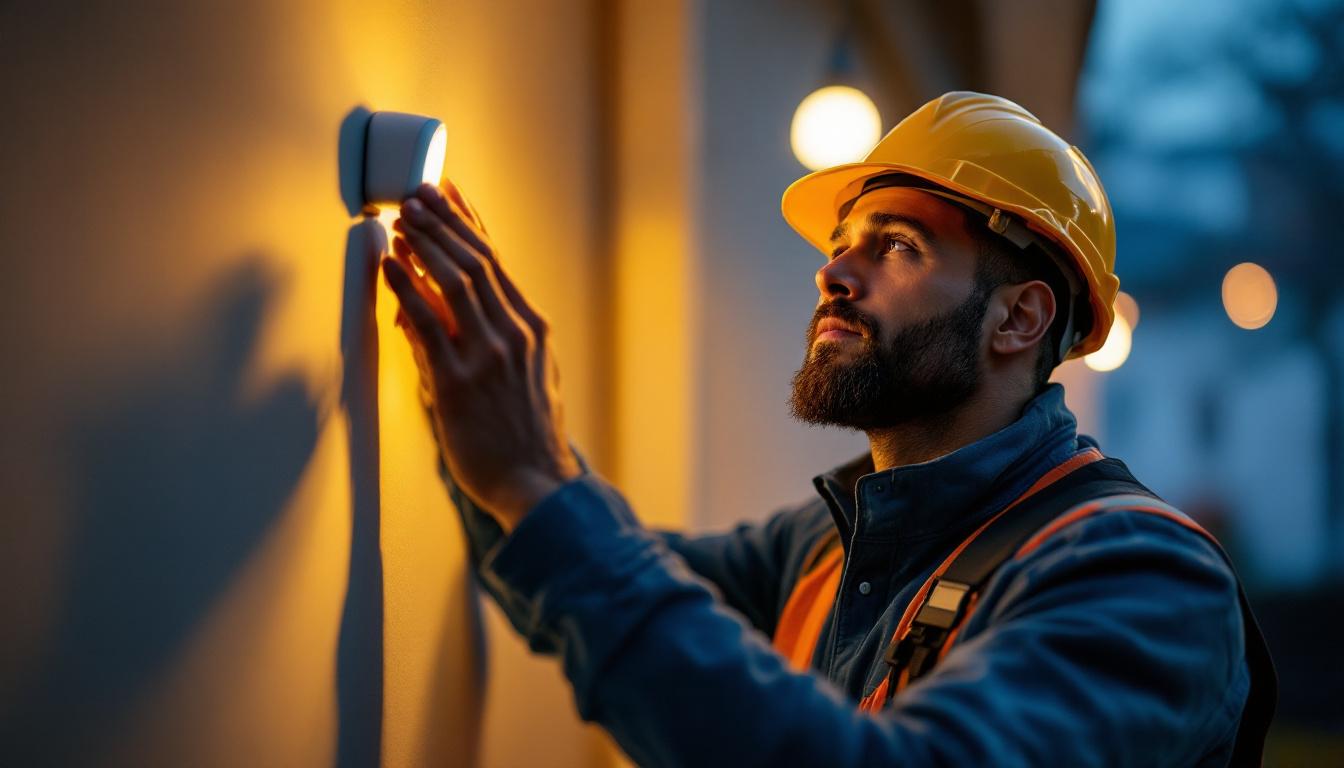
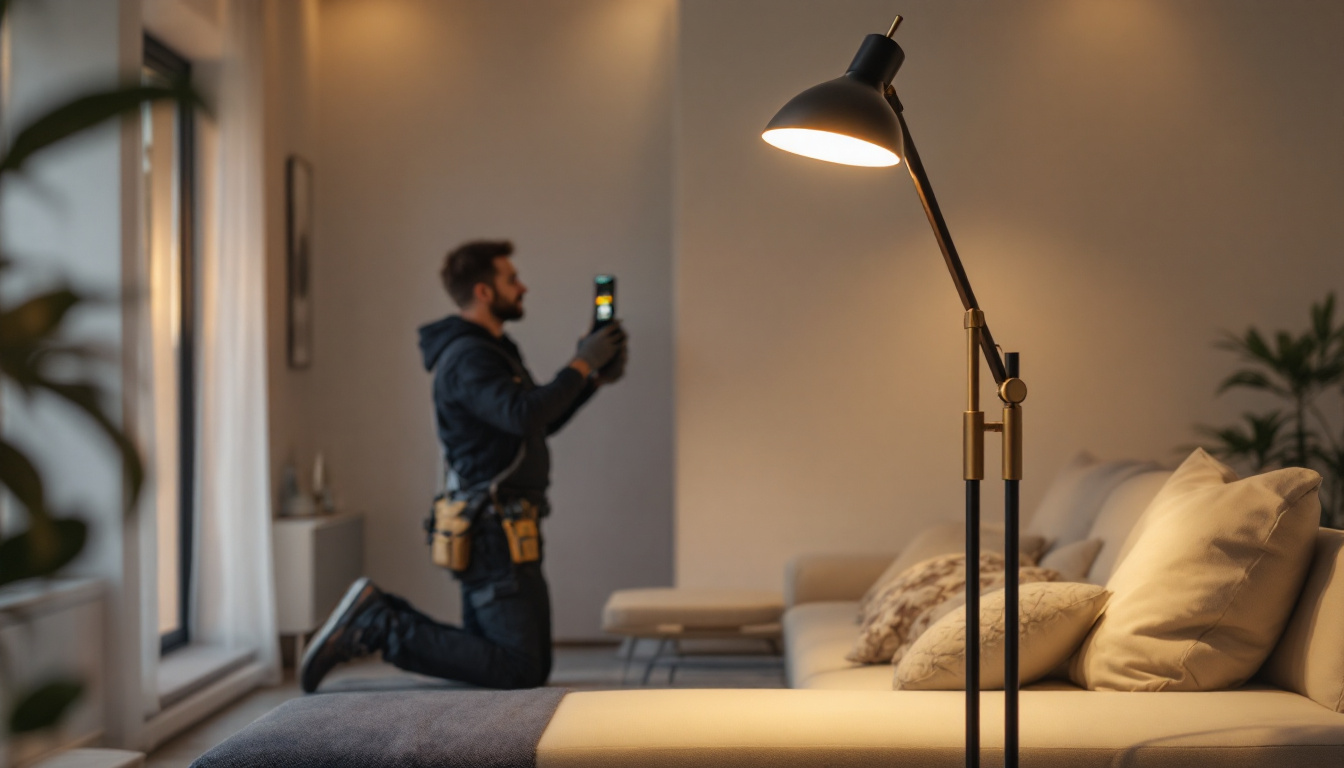
Understanding Remote Movement Sensors: A Lighting Contractor’s Essential Guide
Remote movement sensors have become a cornerstone in modern lighting solutions, offering enhanced energy efficiency, improved security, and increased convenience. For lighting contractors, mastering the installation and optimization of these devices is crucial to delivering high-quality, future-proof projects.
These sensors detect motion within a designated area and trigger lighting systems accordingly. Unlike traditional manual switches, remote movement sensors automate lighting control, reducing unnecessary energy consumption and improving user experience. As buildings and homes increasingly integrate smart technologies, understanding the nuances of remote movement sensors is more important than ever.
Why Remote Movement Sensors Matter in Lighting Projects
Energy efficiency is a primary driver behind the adoption of remote movement sensors. According to industry studies, lighting accounts for nearly 15-20% of total electricity consumption in commercial buildings. Implementing motion-activated lighting can reduce this by up to 30%, translating into significant cost savings for clients.
Moreover, remote sensors enhance security by illuminating spaces only when movement is detected, deterring potential intruders. For contractors, this means providing added value beyond basic lighting installation, positioning themselves as trusted advisors in smart building solutions.
In addition to energy savings and security benefits, remote movement sensors also contribute to the overall comfort and usability of spaces. For instance, in commercial settings such as offices or retail spaces, these sensors can create a more inviting atmosphere by ensuring that areas are well-lit when occupied, while also conserving energy when they are not in use. This dynamic lighting approach can enhance customer experiences and improve employee productivity, making it a compelling selling point for contractors to highlight when discussing project proposals with clients.
Furthermore, the technology behind remote movement sensors is continually evolving, with advancements in connectivity and integration with other smart devices. Many modern sensors can now be linked to mobile applications or building management systems, allowing for remote monitoring and control. This level of integration not only provides convenience but also offers valuable data analytics that can inform future energy-saving strategies and maintenance needs. As a lighting contractor, staying abreast of these technological developments will enable you to offer comprehensive solutions that meet the growing demands of smart building design.
Choosing the Right Remote Movement Sensor for Your Project
Selecting the appropriate sensor depends on several factors including the environment, lighting type, and client needs. Lighting contractors must consider sensor technology, detection range, and compatibility with existing systems.
Types of Remote Movement Sensors
There are primarily two types of sensors used in lighting control: Passive Infrared (PIR) sensors and Ultrasonic sensors. PIR sensors detect heat emitted by moving objects, making them ideal for indoor use where temperature changes are minimal. Ultrasonic sensors emit sound waves and measure their reflection to detect movement, which can be more effective in complex or obstructed environments.
Some advanced sensors combine both technologies to minimize false triggers and improve accuracy. For example, hybrid sensors are especially useful in commercial spaces with high foot traffic and varying environmental conditions. These sensors can intelligently differentiate between human movement and other sources of heat or sound, ensuring that lights only activate when necessary, thus conserving energy and extending the lifespan of the lighting fixtures.
Detection Range and Field of View
Understanding the sensor’s detection range and field of view is critical. Sensors with a narrow field of view are suitable for corridors or small rooms, while wide-angle sensors cover larger open areas such as warehouses or parking lots. Contractors should always verify the sensor’s specifications against the physical layout of the installation site to ensure optimal coverage. Additionally, factors such as mounting height and angle can significantly influence the effectiveness of the sensor; thus, careful planning is essential to avoid blind spots and ensure comprehensive monitoring.
Compatibility and Integration
Remote movement sensors must seamlessly integrate with the lighting fixtures and control systems in place. Many modern sensors support wireless communication protocols such as Zigbee, Z-Wave, or Wi-Fi, enabling integration with smart home or building automation systems. Lighting contractors should assess the client’s existing infrastructure and future scalability plans before selecting a sensor. Furthermore, it is beneficial to consider the potential for software updates and compatibility with emerging technologies, as the landscape of smart lighting continues to evolve rapidly. This foresight can save clients from costly upgrades or replacements in the near future, ensuring that their systems remain state-of-the-art and efficient.
Moreover, the choice of sensor can also impact the overall user experience. For instance, some sensors come equipped with customizable settings that allow users to adjust sensitivity levels, time delays, and even the brightness of the lights triggered by movement. This level of control can enhance comfort and convenience, particularly in residential applications where users may have specific preferences for how their spaces are illuminated. By taking these additional features into account, contractors can provide tailored solutions that not only meet functional requirements but also elevate the overall aesthetic and usability of the environment.
Installation Best Practices for Remote Movement Sensors
Proper installation is key to maximizing the effectiveness of remote movement sensors. Lighting contractors need to follow specific guidelines to avoid common pitfalls that can lead to false triggers or missed detections.
Optimal Sensor Placement
Positioning the sensor in the right location is essential. Sensors should be mounted at a height that maximizes their detection range without being obstructed by furniture, fixtures, or architectural features. For indoor installations, a height of 6 to 8 feet is typically recommended, while outdoor sensors may require higher placement to cover larger areas.
Additionally, sensors should face the primary direction of expected movement. For example, in a hallway, placing the sensor at the end rather than the middle can improve response time and coverage.
Minimizing False Triggers
False triggers can frustrate users and reduce the perceived reliability of the system. Common causes include pets, HVAC drafts, or nearby heat sources such as vents and windows. Contractors can mitigate these issues by selecting sensors with adjustable sensitivity settings and carefully positioning them away from potential interference.
Some sensors also offer customizable detection zones, allowing contractors to exclude areas prone to false triggers. This feature is particularly useful in environments with pets or machinery.
Wiring and Power Considerations
While many remote movement sensors are wireless, some require hardwiring into the building’s electrical system. Contractors must ensure compliance with local electrical codes and standards during installation. Proper grounding, secure connections, and the use of appropriate conduit protect both the sensor and the overall system.
For wireless sensors, battery life and power management are important. Selecting sensors with low power consumption and providing clients with maintenance guidelines for battery replacement can prevent downtime and service calls.
Programming and Calibration Tips for Optimal Performance
After installation, programming and calibration are critical steps to ensure the sensor functions as intended. Lighting contractors should work closely with clients to tailor settings to their specific needs.
Adjusting Sensitivity and Time Delay
Most remote movement sensors allow adjustment of sensitivity levels to balance detection accuracy and false trigger prevention. Contractors should test the sensor’s response in real-world conditions, adjusting settings to accommodate typical occupant behavior.
Time delay settings control how long the light remains on after motion is no longer detected. Setting this too short may cause lights to turn off prematurely, while too long can waste energy. A common approach is to start with a moderate delay (e.g., 2-5 minutes) and fine-tune based on client feedback.
Daylight Harvesting and Ambient Light Sensors
Integrating ambient light sensors with remote movement sensors can further enhance energy savings. These sensors detect natural light levels and prevent artificial lighting from turning on unnecessarily during daylight hours. Contractors should ensure these features are activated and calibrated according to the site’s lighting conditions.
Testing and Client Demonstration
Before project completion, thorough testing is essential. Contractors should simulate typical movement patterns to verify sensor responsiveness and coverage. Demonstrating the system’s operation to clients helps build confidence and allows for immediate adjustments based on user preferences.
Maintenance and Troubleshooting for Long-Term Reliability
Ensuring the longevity and reliability of remote movement sensors requires ongoing maintenance and prompt troubleshooting when issues arise.
Routine Inspection and Cleaning
Dust, dirt, and spider webs can accumulate on sensor lenses, impairing performance. Regular cleaning with a soft cloth and mild detergent helps maintain sensor accuracy. Contractors should advise clients on recommended maintenance schedules, especially in dusty or outdoor environments.
Battery Replacement and Power Checks
For battery-operated sensors, monitoring battery status is crucial. Many sensors feature low-battery indicators or remote alerts. Contractors can offer maintenance contracts or periodic check-ups to replace batteries proactively, avoiding unexpected outages.
Common Troubleshooting Scenarios
Issues such as lights failing to turn on, flickering, or staying on continuously often stem from sensor misalignment, wiring faults, or environmental interference. Contractors should systematically check sensor positioning, wiring integrity, and sensitivity settings. Consulting manufacturer manuals and support resources can expedite problem resolution.
Future Trends and Innovations in Remote Movement Sensor Technology
The landscape of remote movement sensors is rapidly evolving, with emerging technologies offering new opportunities for lighting contractors to enhance their service offerings.
Integration with IoT and Smart Building Systems
Internet of Things (IoT) integration allows remote movement sensors to communicate with a variety of smart devices, enabling advanced automation scenarios. For example, sensors can trigger not only lighting but also HVAC adjustments, security alarms, and energy management systems. Contractors who embrace these technologies can deliver comprehensive smart solutions that appeal to tech-savvy clients.
Advanced Sensing Capabilities
New sensors are incorporating artificial intelligence and machine learning to differentiate between humans, pets, and objects, reducing false triggers further. Gesture recognition and occupancy analytics are also becoming part of sensor functionality, providing valuable data for building management.
Energy Harvesting and Sustainable Designs
Innovations in energy harvesting allow sensors to operate without batteries by capturing ambient energy from light, heat, or motion. These sustainable designs reduce maintenance needs and environmental impact, aligning with green building standards and client sustainability goals.
Conclusion: Empowering Lighting Contractors with Expertise in Remote Movement Sensors
Remote movement sensors represent a vital component in modern lighting systems, offering benefits that extend beyond simple illumination. For lighting contractors, developing expertise in sensor selection, installation, programming, and maintenance is essential to meet client expectations and stay competitive.
By understanding the technology, adhering to best practices, and staying informed about emerging trends, contractors can deliver intelligent lighting solutions that enhance energy efficiency, security, and user comfort. Investing time in mastering remote movement sensors ultimately leads to higher client satisfaction and business growth.
Get Your Premium Lighting Supplies at LumenWholesale
Ready to elevate your lighting projects with the latest in remote movement sensor technology? Look no further than LumenWholesale for all your lighting needs. Our extensive selection of spec-grade lighting products comes at unbeatable wholesale prices, ensuring you get the best value for your investment. Say goodbye to inflated markups and hello to high-performance, reliable lighting solutions that meet the highest industry standards. Plus, with free shipping on bulk orders, you can stock up on quality lighting without the hassle. Don’t compromise on quality or price—Wholesale Lighting at the Best Value is just a click away. Choose LumenWholesale for quality, affordability, and convenience, and light up your projects with confidence.