Understanding Decorator Light Bulbs and Their Unique Role
Decorator light bulbs, often referred to as “candelabra” or “flame tip” bulbs, are a specialized category of lighting solutions designed primarily for aesthetic appeal without compromising functionality. Unlike standard bulbs, these bulbs feature distinctive shapes and finishes that complement decorative fixtures, chandeliers, sconces, and other open or semi-exposed lighting designs. For lighting contractors, mastering the use of decorator bulbs is essential to delivering both style and performance in residential and commercial projects.
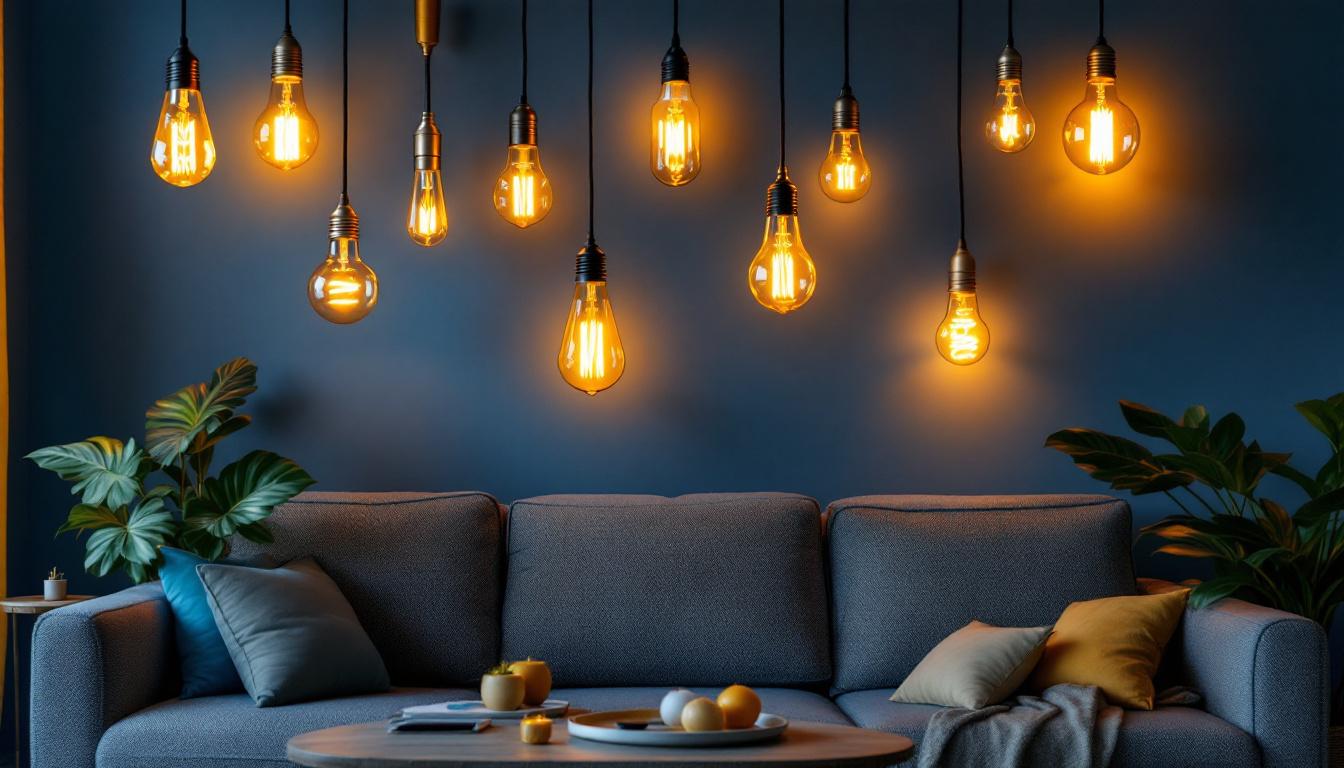
These bulbs come in various shapes such as torpedo, flame, globe, and bullet, each crafted to enhance the visual impact of the fixture they accompany. Their design is not merely ornamental; the shape affects light distribution, glare control, and ambiance creation. Understanding these nuances allows contractors to recommend the right bulb to clients, ensuring that lighting solutions meet both aesthetic and functional demands.
Why Decorator Bulbs Matter in Lighting Projects
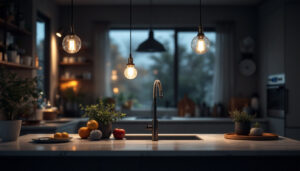
In many lighting installations, the bulb is as visible as the fixture itself. Unlike recessed or concealed lighting, decorator bulbs are often on display, making their appearance critical to the overall design. For contractors, selecting the right decorator bulb can elevate a project from ordinary to exceptional. The bulb’s filament style, glass finish, and shape contribute significantly to the ambiance, influencing how a space feels and functions.
Furthermore, decorator bulbs enable contractors to tailor lighting solutions to client preferences, whether aiming for a vintage, modern, or transitional look. The ability to blend form and function makes these bulbs indispensable in high-end residential, hospitality, and retail environments. Additionally, the energy efficiency of many modern decorator bulbs, particularly those utilizing LED technology, allows for a sustainable approach to lighting design. This not only reduces energy costs but also appeals to environmentally conscious clients who prioritize sustainability in their projects.
Moreover, the versatility of decorator bulbs extends beyond just aesthetics; they can also be utilized in smart lighting systems. Many decorator bulbs now come equipped with smart technology, allowing users to control brightness and color temperature through mobile apps or voice commands. This integration of technology into traditional designs further enhances the functionality of these bulbs, making them a popular choice among tech-savvy homeowners and businesses looking to create dynamic lighting environments that can adapt to various moods and occasions.
Key Features and Types of Decorator Light Bulbs
Decorator bulbs come with a variety of features that affect their performance and suitability for different applications. Lighting contractors must be familiar with these features to make informed recommendations.
Shape and Size Variations
The most common shapes include:
- Flame Tip: Mimics the flicker of a candle flame, ideal for chandeliers and wall sconces.
- Torpedo: Sleek and pointed, offering a contemporary look while maintaining a decorative edge.
- Globe: Round and smooth, suitable for fixtures where a soft, even glow is desired.
- Bullet: Cylindrical and streamlined, often used in modern or minimalist designs.
Each shape influences how light is emitted and perceived, affecting both the ambiance and visual comfort.
Filament Styles and Their Impact
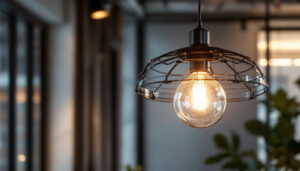
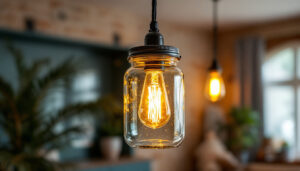
Filament design plays a crucial role in the bulb’s aesthetic and light quality. Traditional incandescent decorator bulbs often feature visible filaments that add warmth and character. However, with the rise of LED technology, filament-style LEDs have become popular, combining vintage charm with energy efficiency.
Contractors should consider filament orientation and density, as these factors influence light diffusion and the bulb’s decorative appeal. For example, spiral or crisscross filaments create intricate light patterns, enhancing the fixture’s visual interest.
Glass Finishes and Color Temperatures
Glass finishes range from clear to frosted, amber, or tinted. Clear glass bulbs provide crisp, bright light and showcase the filament, while frosted or tinted options soften the light, reducing glare and creating a cozy atmosphere.
Color temperature is another critical consideration. Warm white (2700K-3000K) is preferred for most decorator bulbs as it complements the traditional aesthetic and promotes relaxation. However, cooler temperatures may be suitable for modern settings or task lighting within decorative fixtures.
Leveraging Decorator Bulbs for Enhanced Lighting Solutions
For lighting contractors, the strategic use of decorator bulbs can transform spaces and meet diverse client needs. Leveraging these bulbs effectively involves understanding their technical specifications, aesthetic contributions, and compatibility with fixtures.
Balancing Aesthetics and Functionality
While decorator bulbs are chosen for their visual appeal, they must also fulfill functional lighting requirements. Contractors should assess the lumen output and wattage to ensure adequate illumination without overpowering the space. For example, in dining rooms or living areas, softer, lower-lumen bulbs create intimate atmospheres, whereas brighter bulbs may be necessary for commercial settings like restaurants or boutiques.
Additionally, dimmable decorator bulbs provide flexibility, allowing clients to adjust lighting intensity based on mood or activity. This versatility is a valuable selling point in both residential and hospitality projects.
Energy Efficiency and Sustainability Considerations
Energy efficiency is a growing priority for clients and contractors alike. Traditional incandescent decorator bulbs, while visually appealing, consume more energy and have shorter lifespans compared to modern alternatives. LED decorator bulbs now offer comparable aesthetics with significantly reduced energy consumption and longer service life.
Lighting contractors should educate clients about the benefits of LED decorator bulbs, including lower operating costs and reduced environmental impact. Many LED options now replicate the warm glow and filament design of incandescent bulbs, making it easier to balance sustainability with style.
Compatibility with Fixtures and Controls
Ensuring that decorator bulbs are compatible with existing fixtures and lighting controls is essential. Some decorative fixtures have specific socket types or wattage limits that must be respected to avoid damage or safety hazards. Contractors should verify these specifications before installation.
Moreover, compatibility with dimmers and smart lighting systems is increasingly important. Not all decorator bulbs are dimmable or compatible with advanced controls, so selecting bulbs that integrate seamlessly with client preferences and technology infrastructure enhances satisfaction and functionality.
Practical Applications and Case Studies
Real-world applications illustrate the versatility and impact of decorator light bulbs in various settings. Lighting contractors can draw inspiration and best practices from these examples to optimize their own projects.
Residential Elegance with Vintage-Style Decorator Bulbs
In upscale residential projects, decorator bulbs with filament-style LEDs have become a popular choice for chandeliers and wall sconces. These bulbs provide a nostalgic ambiance reminiscent of early 20th-century lighting while offering modern energy efficiency. For instance, a historic home renovation incorporated flame-tip LED bulbs to maintain period authenticity without compromising on sustainability.
The warm light and visible filaments enhanced the intricate metalwork of the fixtures, creating a cohesive and inviting environment. This approach demonstrates how decorator bulbs can bridge classic design and contemporary technology.
Hospitality Settings: Creating Atmosphere and Brand Identity
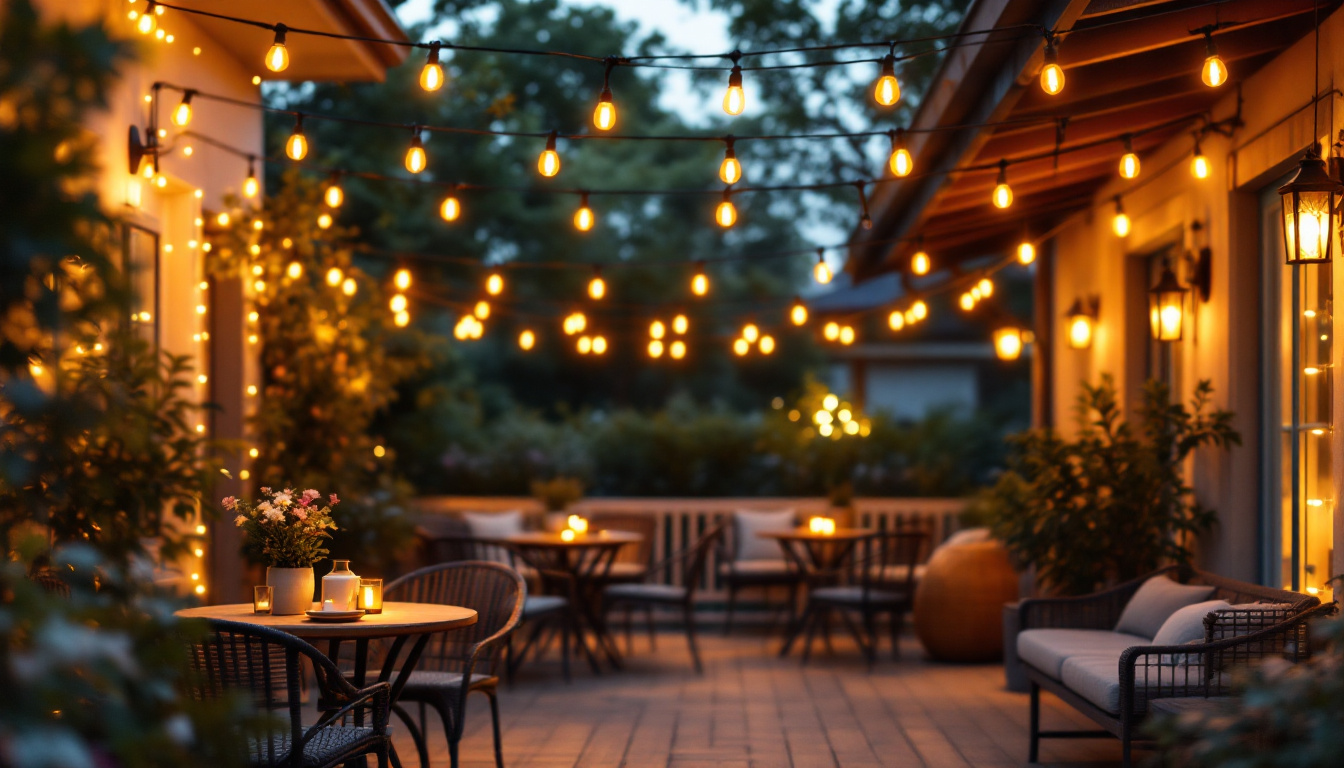
Restaurants, hotels, and bars frequently use decorator bulbs to establish mood and reinforce brand identity. For example, a boutique hotel lobby utilized globe-shaped amber-tinted bulbs to cast a soft, welcoming glow that complemented its rustic-chic decor. The bulbs’ warm light encouraged guests to linger, enhancing the overall guest experience.
In dining areas, dimmable flame-tip bulbs allowed staff to adjust lighting levels throughout the day, transitioning from bright breakfast service to intimate dinner settings. This adaptability is a key advantage of decorator bulbs in dynamic commercial environments.
Retail Environments: Highlighting Products with Style
Retailers often select decorator bulbs to accentuate merchandise displays while contributing to the store’s aesthetic. Torpedo-shaped bulbs with clear glass and spiral filaments have been used in boutique clothing stores to create a modern yet inviting atmosphere. The bulbs’ focused light draws attention to product details without overwhelming the space.
Additionally, the decorative nature of the bulbs themselves adds to the visual merchandising, turning lighting fixtures into design elements that enhance the brand’s story.
Best Practices for Lighting Contractors When Specifying Decorator Bulbs
To maximize the benefits of decorator light bulbs, contractors should adhere to several best practices throughout the specification and installation process.
Conduct Thorough Fixture and Space Analysis
Before selecting bulbs, evaluate the fixture type, socket compatibility, and the spatial context. Consider ceiling height, room function, and existing ambient light levels. This analysis ensures that the chosen bulbs provide appropriate illumination and aesthetic harmony.
Prioritize Client Preferences and Lifestyle Needs
Engage clients in discussions about their style preferences, desired ambiance, and lighting control expectations. Understanding these factors enables contractors to recommend bulbs that align with client goals, enhancing satisfaction and long-term usability.
Stay Updated on Technological Advances
The lighting industry evolves rapidly, with continuous improvements in LED technology, smart controls, and bulb designs. Contractors should maintain familiarity with the latest products and innovations to offer cutting-edge solutions that combine beauty and efficiency.
Test and Adjust Lighting Installations
Whenever possible, conduct on-site testing of decorator bulbs in the actual fixtures and spaces. This step allows for adjustments in bulb selection, placement, and control settings to optimize performance and appearance before project completion.
Conclusion: Elevating Lighting Solutions with Decorator Bulbs
Decorator light bulbs are more than mere accessories; they are integral components that influence the success of lighting projects. For lighting contractors, leveraging these bulbs effectively involves a balance of technical knowledge, aesthetic sensibility, and client collaboration. By understanding the diverse shapes, filament styles, finishes, and technological options available, contractors can craft lighting solutions that are both beautiful and functional.
Embracing energy-efficient LED decorator bulbs and ensuring compatibility with modern controls further enhances the value delivered to clients. Whether working on residential renovations, hospitality venues, or retail spaces, decorator bulbs offer a versatile toolset to create compelling, memorable environments. Mastery of these lighting elements empowers contractors to exceed expectations and solidify their reputation as experts in the field.
Discover Unmatched Value with LumenWholesale Decorator Bulbs
Ready to elevate your lighting projects with the finest decorator bulbs on the market? Look no further than LumenWholesale, where we specialize in providing contractors with superior, spec-grade lighting products at the most competitive wholesale prices. Say goodbye to local distributor markups and hello to a vast selection of high-quality lighting solutions that meet rigorous industry standards. Plus, with the convenience of free shipping on bulk orders, you can enjoy premium lighting without hidden fees or compromises. Transform your lighting designs today and experience the best value in wholesale lighting with LumenWholesale.