Introduction to Backyard Light Strings
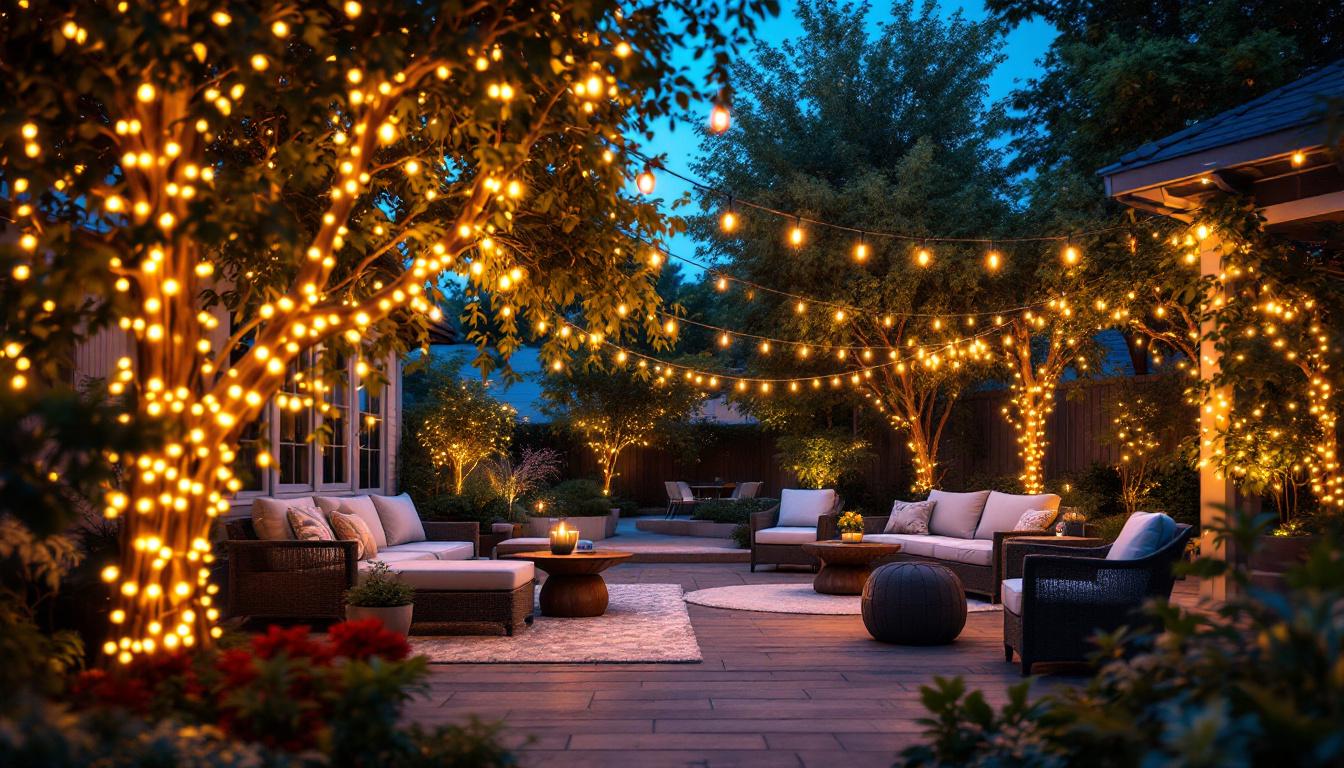
Backyard light strings have become a staple in outdoor lighting design, offering both functional illumination and aesthetic appeal. For lighting contractors, understanding the nuances of these versatile fixtures is essential to delivering exceptional results that satisfy client expectations and stand up to environmental challenges.
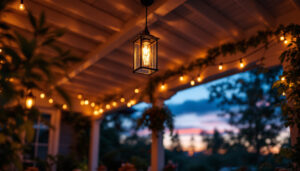
From residential patios to commercial outdoor spaces, light strings create ambiance, enhance safety, and extend the usability of outdoor areas after sunset. This guide explores the critical aspects lighting contractors need to master—from product selection and installation techniques to maintenance and emerging trends.
One of the most appealing features of backyard light strings is their versatility in design. Available in a variety of styles, colors, and bulb types, these lights can be tailored to suit any theme or occasion, whether it’s a cozy gathering, a festive celebration, or a serene evening under the stars. Contractors can choose from traditional incandescent bulbs for a warm glow, energy-efficient LED options for longevity, or even smart bulbs that can be controlled via smartphone apps for added convenience. This wide array of choices allows for creative freedom in designing outdoor spaces that reflect the personality and preferences of the homeowners or business owners.
Moreover, the installation of light strings has evolved significantly with advancements in technology. Many modern light strings are designed for easy setup, featuring weather-resistant materials and innovative mounting solutions that simplify the process. Contractors can now offer clients a seamless installation experience, ensuring that the lights are securely hung and strategically placed to maximize both illumination and aesthetic impact. Additionally, understanding the electrical requirements and safety standards associated with outdoor lighting is crucial, as it ensures that installations are not only beautiful but also safe and compliant with local regulations. As outdoor living spaces continue to gain popularity, the demand for expertly installed light strings will only grow, presenting a valuable opportunity for lighting professionals to showcase their skills and creativity.
Understanding Types of Backyard Light Strings
Incandescent vs. LED Light Strings
Traditionally, incandescent bulbs dominated backyard lighting due to their warm glow and affordability. However, LED light strings have revolutionized the market by offering superior energy efficiency, longer lifespan, and reduced heat output. For contractors, recommending LED solutions not only aligns with sustainability goals but also reduces client maintenance costs. The average lifespan of an incandescent bulb is around 1,000 hours, while LED bulbs can last up to 25,000 hours or more, making them a more practical choice for long-term installations.
LED light strings are available in a range of color temperatures and brightness levels, allowing customization to suit various outdoor environments. Additionally, LEDs are more durable and less prone to breakage, an important consideration for installations exposed to weather elements. This durability is especially beneficial in regions prone to storms or high winds, where traditional bulbs might shatter or fail. Furthermore, the lower energy consumption of LEDs means that homeowners can enjoy beautifully lit spaces without the worry of skyrocketing electricity bills, making them an attractive option for budget-conscious clients.
Solar-Powered Light Strings
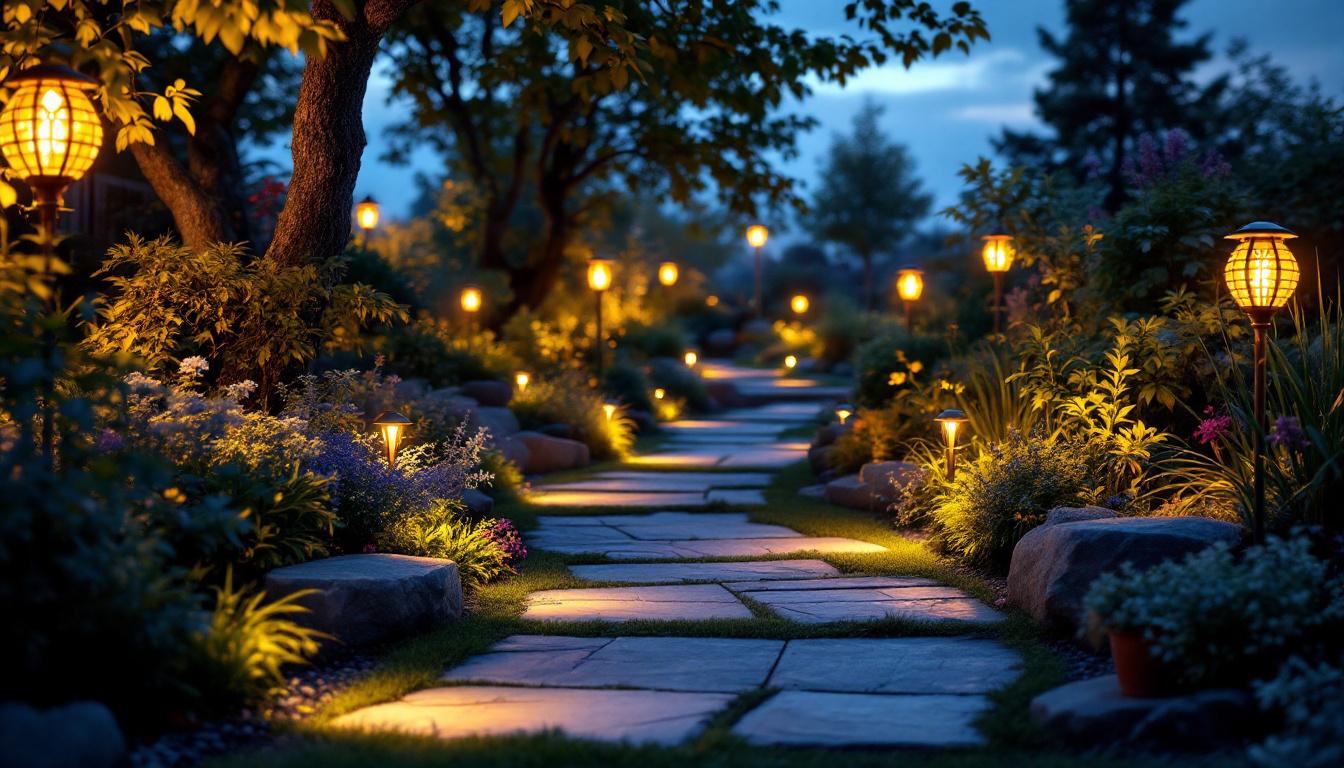
Solar-powered light strings are gaining traction as a green alternative, especially in areas where running electrical wiring is impractical. These systems harness sunlight during the day to power the lights at night, reducing energy consumption and operating costs. While solar options may have limitations in brightness and runtime compared to wired systems, they offer an excellent solution for eco-conscious clients and temporary installations. Many solar light strings come equipped with built-in sensors that automatically turn the lights on at dusk and off at dawn, enhancing their convenience and energy efficiency.
Moreover, advancements in solar technology have led to improved battery storage and more powerful solar panels, allowing for longer illumination times even on cloudy days. This makes solar-powered lights a viable option for various outdoor settings, from garden parties to festive holiday displays. The aesthetic appeal of solar lights, often designed with decorative features such as lanterns or fairy lights, can also enhance the ambiance of outdoor spaces, creating a magical atmosphere without the need for extensive wiring or installation efforts.
Smart and App-Controlled Light Strings
Technological advancements have introduced smart light strings that integrate with home automation systems. These products allow users to control brightness, color, and scheduling remotely via smartphone apps or voice assistants. For contractors, offering smart lighting solutions can differentiate services and appeal to tech-savvy customers seeking convenience and customization. The ability to synchronize lighting with music or create dynamic light shows adds an exciting layer of entertainment for gatherings and celebrations, making outdoor spaces more inviting and enjoyable.
In addition to aesthetic enhancements, smart light strings can be programmed to respond to environmental changes, such as adjusting brightness based on ambient light levels or turning on when motion is detected. This functionality not only enhances security but also contributes to energy savings, as lights can be set to operate only when needed. As more homeowners embrace smart home technology, integrating these innovative lighting solutions into backyard designs can significantly elevate the overall experience, making outdoor living spaces more functional and enjoyable year-round.
Key Considerations for Selecting Backyard Light Strings
Durability and Weather Resistance
Outdoor lighting is subject to rain, wind, temperature fluctuations, and UV exposure. Selecting light strings with appropriate Ingress Protection (IP) ratings is critical to ensure longevity. An IP65 rating or higher is generally recommended for backyard installations, indicating protection against dust and water jets.
Materials such as weather-resistant plastics, rubberized coatings, and corrosion-resistant metals improve durability. Contractors should verify manufacturer specifications and test samples when possible to confirm product resilience.
Voltage and Power Requirements
Light strings come in various voltage configurations, typically low voltage (12V or 24V) or line voltage (120V or 240V). Low-voltage systems are safer and easier to install, often requiring a transformer, making them ideal for residential projects. Line voltage systems provide higher brightness and longer runs but necessitate careful adherence to electrical codes and safety standards.
Contractors must assess the power source availability, installation complexity, and client preferences to recommend the best option. Proper calculation of wattage and circuit load prevents electrical hazards and ensures consistent performance.
Length and Bulb Spacing
Determining the appropriate length and bulb spacing depends on the size of the outdoor area and the desired lighting effect. Common spacing ranges from 6 to 12 inches between bulbs, with longer spacing creating a subtle glow and shorter spacing producing a more intense illumination.
Modular light strings that can be interconnected or cut to length offer flexibility during installation. Contractors should plan layouts carefully to minimize excess cable and maintain an attractive appearance.
Best Practices for Installation
Planning and Site Assessment
Effective installation begins with a thorough site assessment. Contractors should evaluate the backyard’s layout, existing electrical infrastructure, and potential mounting points such as trees, pergolas, fences, or walls. Understanding client usage patterns and aesthetic preferences is also essential.
Mapping out the light string path and identifying power sources helps prevent costly adjustments during installation. Additionally, considering local building codes and permitting requirements ensures compliance and safety.
Mounting Techniques and Hardware
Choosing the right mounting hardware is crucial for a secure and professional installation. Common options include hooks, clips, eye screws, and cable ties. For wood surfaces, screw-in hooks provide stability, while adhesive clips suit smooth surfaces where drilling is undesirable.
Contractors should avoid overstressing cables by ensuring proper tension and allowing for slight movement caused by wind. Using weatherproof connectors and strain relief devices enhances durability and reduces maintenance calls.
Electrical Safety and Code Compliance
Adhering to electrical codes is non-negotiable. Contractors must use outdoor-rated extension cords and connectors, install ground-fault circuit interrupters (GFCIs), and ensure all wiring is protected from physical damage. Proper grounding and circuit protection safeguard both the installation and users.
Documenting the installation with photos and diagrams aids future maintenance and demonstrates professionalism. Staying updated on local regulations and industry standards is vital to avoid liability issues.
Maintenance and Troubleshooting
Routine Inspection and Cleaning
Regular maintenance extends the life of backyard light strings. Contractors should advise clients to inspect bulbs, wiring, and connectors periodically for signs of wear, corrosion, or damage. Cleaning lenses and fixtures removes dirt and debris that can diminish light output.
Providing clients with maintenance checklists and simple troubleshooting tips empowers them to address minor issues promptly, reducing service calls.
Common Issues and Solutions
Typical problems include burnt-out bulbs, flickering lights, and power interruptions. Many LED light strings have replaceable bulbs, but some require full string replacement. Identifying the root cause—whether a faulty bulb, damaged wiring, or power supply failure—is essential before repairs.
Contractors should carry spare parts and diagnostic tools to efficiently resolve issues on-site. Offering maintenance contracts or seasonal check-ups can generate recurring revenue and build client trust.
Emerging Trends and Innovations
Energy Efficiency and Sustainability
With increasing emphasis on sustainability, energy-efficient lighting solutions are a priority. Advances in LED technology continue to improve lumens per watt ratios, offering brighter light with lower energy consumption. Incorporating solar and battery-powered options further reduces environmental impact.
Contractors who stay informed about green certifications and rebate programs can help clients access incentives, making eco-friendly upgrades more attractive.
Integration with Outdoor Living Spaces
Backyard light strings are now integral to outdoor living designs, complementing features like fire pits, water elements, and outdoor kitchens. Coordinating lighting color temperature and intensity with other fixtures creates cohesive atmospheres tailored to specific activities.
Smart lighting systems enable dynamic scenes and automation, enhancing usability and ambiance. Contractors should collaborate with landscape designers and architects to deliver holistic outdoor experiences.
Customization and Artistic Expression
Beyond functionality, backyard light strings are a medium for artistic expression. Custom colors, shapes, and patterns allow clients to personalize their spaces. Innovations such as programmable RGB LEDs and modular designs offer endless creative possibilities.
Lighting contractors who embrace customization can differentiate their services and attract clientele seeking unique outdoor environments.
Conclusion
Backyard light strings represent a dynamic and rewarding niche within outdoor lighting. For contractors, mastering product knowledge, installation best practices, and maintenance protocols is essential to delivering high-quality, durable, and visually appealing solutions.
By staying abreast of technological advancements and evolving client preferences, lighting professionals can expand their expertise and capitalize on growing demand for outdoor illumination. Whether enhancing a cozy residential patio or a bustling commercial courtyard, backyard light strings offer endless opportunities to brighten outdoor spaces with style and efficiency.
Illuminate Your Projects with LumenWholesale
Ready to elevate your outdoor lighting projects with the finest backyard light strings on the market? Look no further than LumenWholesale, where we provide lighting contractors with exceptional, spec-grade lighting products at unbeatable wholesale prices. Say goodbye to local distributor markups and hello to our premium selection that meets rigorous industry standards. Plus, with free shipping on bulk orders, you can stock up on high-performance lighting without worrying about hidden fees. Don’t compromise on quality or value—visit Wholesale Lighting at the Best Value and bring unparalleled quality, affordability, and convenience to your next lighting endeavor.