Understanding Plug-In Lighting Systems
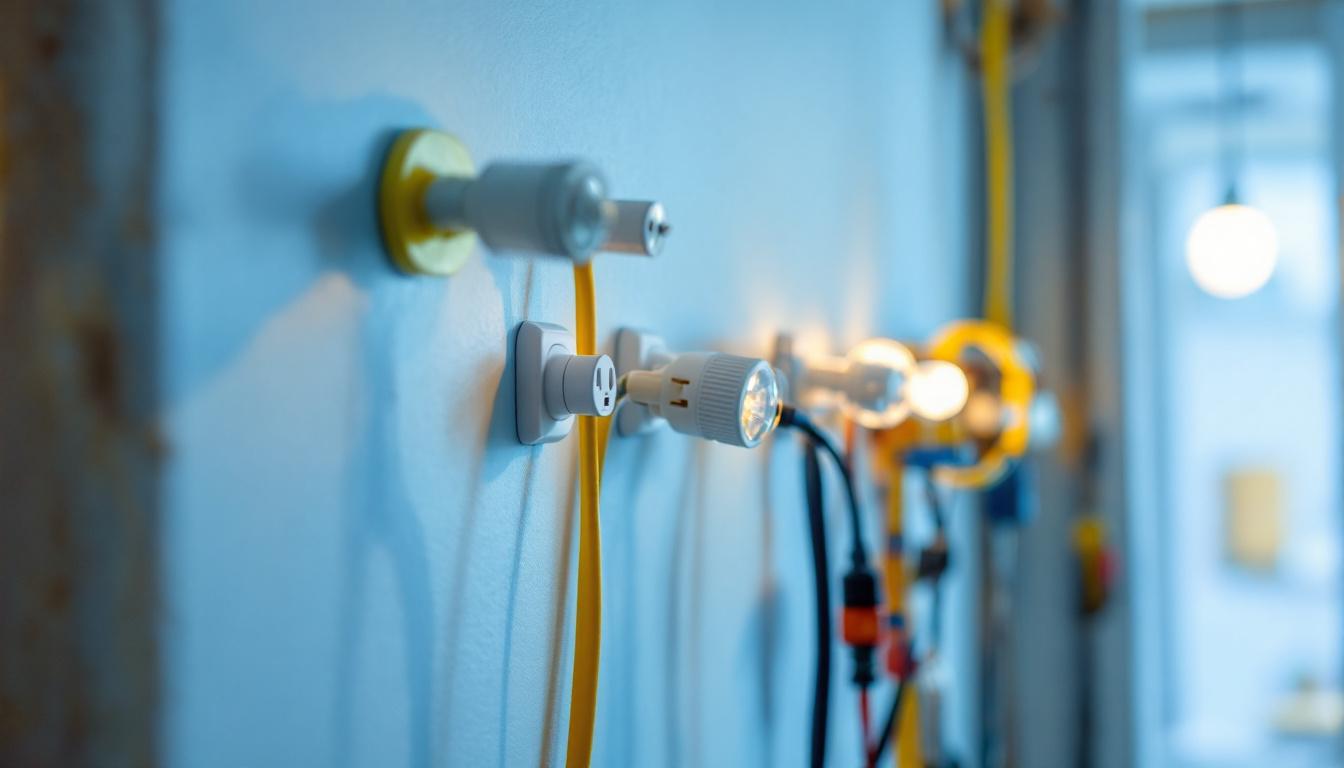
Plug-in lighting systems have become increasingly popular in both residential and commercial projects due to their ease of installation and flexibility. Unlike hardwired fixtures, plug-in lights connect directly to an electrical outlet, allowing for quick setup and repositioning without the need for extensive electrical work. For lighting contractors, this convenience can be a double-edged sword: while plug-in lights simplify some aspects of installation, they also introduce unique challenges and potential pitfalls.
Before diving into the common mistakes contractors make, it’s essential to understand the core components and typical applications of plug-in lighting. These systems often include LED strip lights, under-cabinet lights, pendant lamps, and accent lighting, which are designed to enhance ambiance, provide task lighting, or highlight architectural features. The flexibility of plug-in systems makes them ideal for retrofit projects or spaces where permanent wiring is impractical.
Moreover, the versatility of plug-in lighting systems allows them to be easily integrated into various design styles, from modern minimalist to cozy farmhouse aesthetics. For instance, LED strip lights can be installed along shelves or behind furniture to create a soft glow, while pendant lamps can serve as striking focal points above kitchen islands or dining areas. This adaptability not only meets the functional needs of a space but also contributes to its overall visual appeal, making plug-in systems a favorite among interior designers and homeowners alike.
Another significant advantage of plug-in lighting is the ability to experiment with different lighting schemes without committing to permanent installations. This is particularly beneficial for renters or those who frequently change their decor. By utilizing plug-in fixtures, individuals can easily swap out styles, colors, and intensities to suit their mood or seasonal changes. Additionally, with the rise of smart home technology, many plug-in lighting options now come equipped with features like dimming capabilities and remote control, further enhancing their usability and appeal in modern living environments.
Common Mistakes Lighting Contractors Make with Plug-In Lights
1. Overlooking Electrical Load and Circuit Capacity
One of the most frequent errors contractors encounter is neglecting to assess the electrical load and circuit capacity before installing multiple plug-in lights. Each outlet and circuit has a maximum load it can safely handle, and exceeding this limit can lead to tripped breakers, overheating, or even fire hazards.
For example, in commercial settings where numerous plug-in fixtures are used, it’s crucial to calculate the cumulative wattage of all connected devices. Failure to do so not only compromises safety but can also result in costly callbacks and damage to the client’s electrical system. Contractors should always verify the amperage rating of the circuit and ensure that the total load remains well within safe parameters. Additionally, it’s wise to consider future expansions or additional equipment that may be added later. This foresight can prevent potential issues down the line and ensure that the installation remains safe and efficient for years to come.
2. Ignoring Manufacturer Specifications and Installation Guidelines
Another common mistake is disregarding the manufacturer’s instructions regarding plug-in light installation. These guidelines often include critical information about maximum run lengths for LED strips, recommended power supplies, and environmental considerations such as moisture exposure or temperature limits.
Ignoring these specifications can lead to premature failure of the lighting system or suboptimal performance. For instance, exceeding the maximum run length of an LED strip without proper power injection can cause uneven brightness or color shifts. Furthermore, manufacturers often provide insights on the ideal mounting heights and angles for optimal light distribution, which can significantly enhance the overall aesthetic and functionality of the space. Contractors should thoroughly review and adhere to all installation instructions to ensure longevity and reliability, as well as to maintain warranty coverage that could be voided by improper installation practices.
3. Using Incompatible or Low-Quality Power Supplies
Power supplies are the backbone of any plug-in lighting system. Using incompatible or low-quality transformers and adapters is a widespread issue that can cause flickering, dimming, or complete failure of the lights. Many plug-in lights require specific voltage and current ratings, and mismatched power supplies can damage both the lights and the electrical infrastructure.
Contractors should source power supplies from reputable manufacturers and verify compatibility with the lighting fixtures. Investing in high-quality components not only enhances system stability but also reduces maintenance costs and improves customer satisfaction. Moreover, it’s essential to consider the efficiency ratings of power supplies, as higher efficiency can lead to lower energy costs and a reduced environmental impact. By prioritizing quality and compatibility, contractors can ensure a seamless integration of plug-in lights that not only meet the immediate needs of the client but also stand the test of time in performance and reliability.
Installation Challenges and How to Avoid Them
4. Poor Cable Management and Aesthetic Oversights
Plug-in lights often come with visible cords and adapters, which can detract from the overall aesthetic if not managed properly. Lighting contractors sometimes overlook the importance of neat cable routing, resulting in tangled wires, tripping hazards, or an unprofessional appearance.
Effective cable management involves planning the placement of power outlets, using cord concealers or raceways, and securing cables to prevent sagging or accidental disconnection. This attention to detail not only improves safety but also elevates the finished look of the installation, which is crucial for client satisfaction.
5. Failing to Plan for Future Accessibility and Maintenance
Plug-in lighting systems require periodic maintenance, such as replacing bulbs or power supplies. Contractors occasionally install fixtures in locations that are difficult to access, complicating future servicing and increasing labor costs.
When planning installations, it’s important to consider how easily the client or maintenance personnel can reach the lights and their components. Providing clear documentation and labeling can also facilitate troubleshooting and upkeep, helping to extend the system’s lifespan and maintain optimal performance.
6. Neglecting Compliance with Electrical Codes and Regulations
Compliance with local electrical codes and safety standards is non-negotiable for professional lighting contractors. Despite the plug-and-play nature of plug-in lights, installations must still adhere to regulations governing outlet placement, grounding, and circuit protection.
Failing to comply with these codes can lead to legal liabilities, failed inspections, and even voided warranties. Contractors should stay informed about the latest code requirements and consult with electrical inspectors when necessary to ensure their work meets all safety standards.
Design and Client Communication Pitfalls
7. Underestimating Lighting Needs and Placement
Inadequate lighting design is a common mistake that can diminish the effectiveness of plug-in lighting solutions. Contractors sometimes rely too heavily on the convenience of plug-in fixtures without fully assessing the client’s lighting needs or the spatial dynamics of the environment.
Proper lighting design involves evaluating factors such as ambient light levels, task requirements, and aesthetic goals. Contractors should collaborate closely with clients to understand their preferences and provide recommendations that balance functionality and style. Utilizing lighting design software or mock-ups can also help visualize outcomes and avoid costly revisions.
8. Overpromising and Under-Delivering on System Capabilities
Clients often expect plug-in lighting to perform as well as hardwired systems, but contractors must set realistic expectations regarding brightness, coverage, and control options. Overpromising can lead to dissatisfaction and damage to professional reputation.
Transparency about the limitations and advantages of plug-in lights is essential. For example, while plug-in LED strips offer great flexibility, they may not provide sufficient illumination for large spaces or high-ceiling applications. Clear communication helps build trust and ensures clients are satisfied with the final result.
Best Practices for Successful Plug-In Light Installations
9. Conducting Thorough Site Assessments
Before installation, a comprehensive site assessment is crucial. This includes identifying existing electrical infrastructure, outlet locations, and potential obstacles. Understanding the environment helps contractors design an efficient layout that minimizes extension cords and maximizes safety.
Site assessments also allow contractors to identify any code compliance issues early on and plan for necessary upgrades or modifications. This proactive approach reduces delays and enhances overall project quality.
10. Utilizing Quality Components and Tools
Investing in high-quality lighting fixtures, power supplies, and installation tools pays dividends in reliability and client satisfaction. Contractors should source products from reputable manufacturers and avoid cheap, generic components that may fail prematurely.
Additionally, using proper tools such as cable testers, voltage meters, and cable management accessories ensures precise and safe installations. Quality workmanship reflects positively on the contractor’s brand and can lead to repeat business and referrals.
11. Providing Clear Documentation and Client Education
After installation, providing clients with detailed documentation—including product manuals, warranty information, and maintenance tips—is vital. Educating clients on how to operate and care for their plug-in lighting systems empowers them to troubleshoot minor issues and prolong the life of their investment.
Contractors should also offer post-installation support and be accessible for questions or service calls. This level of customer care distinguishes professionals in a competitive market.
Conclusion
Plug-in lighting systems offer lighting contractors a versatile and efficient solution for a wide range of projects. However, the unique characteristics of these systems demand careful attention to electrical load calculations, manufacturer guidelines, installation aesthetics, and regulatory compliance. Avoiding common mistakes such as improper power supply selection, poor cable management, and inadequate client communication can significantly enhance the success and safety of plug-in light installations.
By adopting best practices such as thorough site assessments, using quality components, and providing clear client education, lighting contractors can deliver superior results that meet both functional and aesthetic goals. Staying informed and meticulous in every phase of the project not only protects contractors from liability but also builds lasting client relationships and a strong professional reputation.
Get Your Premium Plug-In Lighting Supplies at LumenWholesale
Ready to avoid the common pitfalls of plug-in light installations and elevate your projects to the next level? At LumenWholesale, we provide lighting contractors with the highest quality, spec-grade plug-in lighting products at unbeatable wholesale prices. Our extensive selection is designed to meet the highest industry standards, ensuring you get reliable, high-performance lighting that integrates seamlessly into any design. With free shipping on bulk orders, you can stock up on superior lighting solutions without the worry of hidden fees. Make your next project a shining example of excellence with LumenWholesale. Discover our range and take advantage of the best value in wholesale lighting by visiting Wholesale Lighting at the Best Value.