Understanding the Advantages of LED Hanging Lights
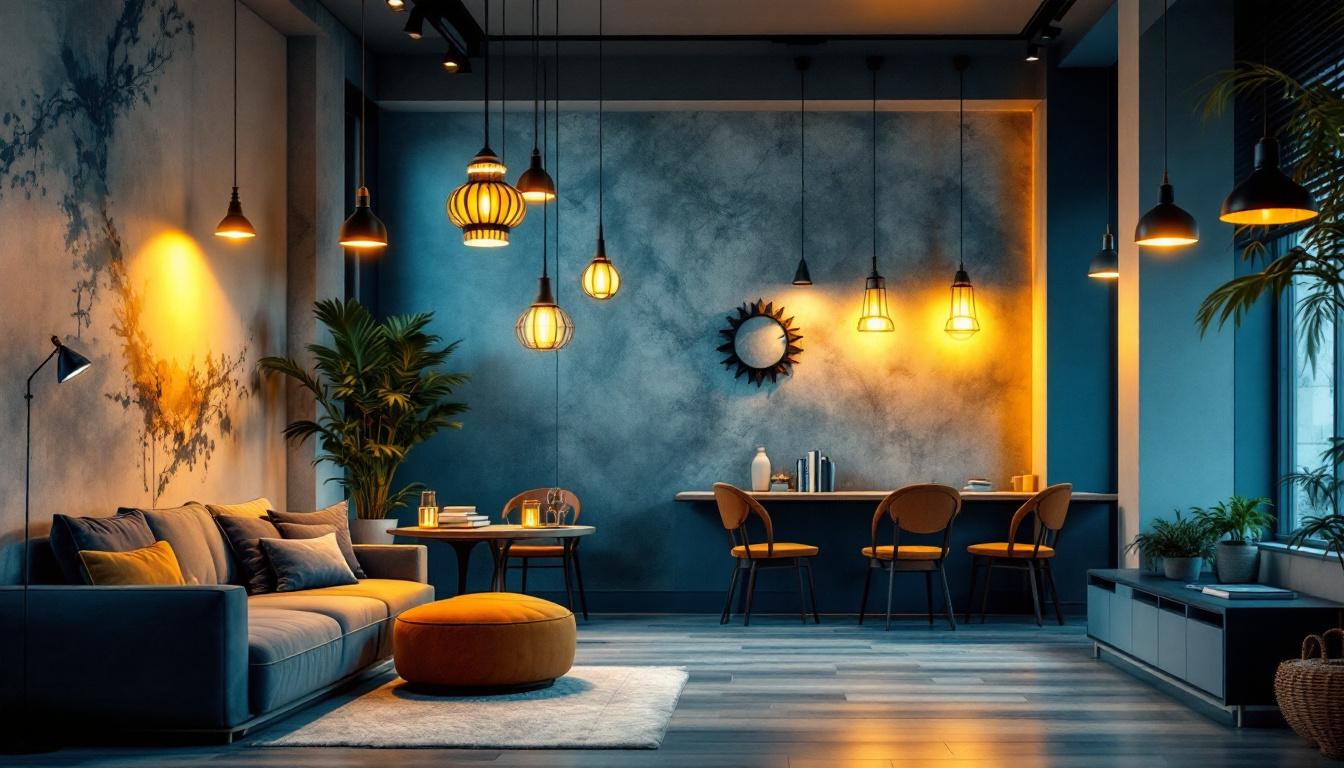
LED hanging lights have revolutionized indoor lighting, offering a blend of energy efficiency, design versatility, and longevity that traditional lighting solutions struggle to match. For lighting contractors, understanding these advantages is essential not only to recommend the best products to clients but also to ensure installations meet modern standards.
One of the primary benefits of LED hanging lights is their energy efficiency. LEDs consume up to 75% less energy than incandescent bulbs, significantly reducing electricity costs for residential and commercial clients. This efficiency also contributes to a lower carbon footprint, aligning with growing environmental regulations and consumer preferences for sustainable solutions. As energy prices continue to rise, the financial incentive to switch to LED lighting becomes even more compelling, making it a wise investment for any property owner.
Moreover, LED hanging lights offer superior lifespan, often exceeding 50,000 hours of use. This longevity translates into fewer replacements and maintenance visits, which can be a major selling point for clients seeking cost-effective and hassle-free lighting solutions. Additionally, LEDs produce less heat compared to traditional bulbs, enhancing safety and comfort in indoor environments. This characteristic is particularly beneficial in spaces where heat accumulation can be a concern, such as kitchens or dining areas, allowing for a more pleasant atmosphere without the discomfort of excessive warmth.
Another significant advantage of LED hanging lights is their versatility in design. Available in a wide range of styles, colors, and finishes, these lights can seamlessly integrate into various interior design themes, from modern minimalism to rustic charm. This adaptability allows designers and homeowners to express their unique aesthetics while ensuring functional illumination. Furthermore, many LED fixtures come with adjustable brightness and color temperature settings, enabling users to customize their lighting experience according to the time of day or specific activities, such as reading, entertaining, or relaxing.
In addition to aesthetic flexibility, LED hanging lights also contribute to improved light quality. Unlike traditional bulbs, which can emit harsh, flickering light, LEDs provide a steady, uniform glow that enhances visibility and reduces eye strain. This quality is especially important in workspaces or areas where detailed tasks are performed. As a result, the implementation of LED lighting can lead to increased productivity and overall satisfaction among occupants. With the ongoing advancements in LED technology, including smart lighting options that can be controlled via mobile apps or voice commands, the potential for creating personalized, efficient lighting environments is greater than ever.
Key Considerations for Selecting LED Hanging Lights
Assessing the Space and Lighting Needs
Before selecting LED hanging lights, contractors must thoroughly evaluate the space where the lighting will be installed. Factors such as ceiling height, room size, and the function of the space influence the type and number of fixtures required. For example, a high-ceilinged lobby demands different lighting specifications than a cozy dining area.
Lighting contractors should also consider the desired ambiance. Warm white LEDs (2700K–3000K) create a cozy, inviting atmosphere suitable for residential or hospitality settings, while cooler white lights (3500K–4100K) are better suited for workspaces or retail environments where clarity and focus are paramount. Additionally, the directionality of the light can play a significant role in achieving the right mood; pendant lights that direct light downward can create a more intimate setting, while those that diffuse light can enhance the overall brightness of a larger area.
Fixture Design and Aesthetic Compatibility
LED hanging lights come in a vast array of designs, from minimalist industrial styles to ornate chandeliers. Contractors must ensure that the chosen fixtures complement the interior design and architectural elements of the space. This alignment enhances the overall aesthetic appeal and client satisfaction. The material of the fixtures also matters; metals, glass, and even sustainable materials can contribute to the design narrative of the space, making it essential to choose wisely based on the client’s vision.
Additionally, the size and scale of the fixture relative to the room are critical. Oversized fixtures can overwhelm small spaces, while undersized lights may fail to provide adequate illumination. Lighting contractors should use mock-ups or digital renderings to visualize the final look and make informed recommendations. It’s also beneficial to consider how the fixture will interact with other elements in the room, such as furniture and decor, to ensure a harmonious balance that enhances the overall design scheme.
Technical Specifications and Compatibility
Understanding technical details such as lumen output, color rendering index (CRI), and dimmability is vital. A high CRI (above 80) ensures colors appear natural and vibrant, which is especially important in retail, art galleries, and residential settings. Moreover, the lumen output should be tailored to the specific tasks performed in the space; for instance, a kitchen may require brighter, more focused lighting compared to a bedroom that benefits from softer, ambient light.
Compatibility with existing electrical systems and controls is another key factor. Many modern LED hanging lights support smart controls and dimming features, which can enhance user experience and energy savings. Contractors should verify that these features align with the client’s infrastructure and preferences. Furthermore, understanding the energy efficiency ratings and lifespan of the LEDs can help clients make informed decisions that not only meet their immediate needs but also contribute to long-term sustainability and cost-effectiveness in their lighting choices.
Installation Best Practices for LED Hanging Lights
Pre-Installation Planning and Safety Checks
Proper planning is the foundation of a successful LED hanging light installation. Contractors should conduct a detailed site survey to identify any potential challenges such as uneven ceilings, structural limitations, or wiring issues. This step helps avoid costly delays and ensures compliance with electrical codes. Additionally, understanding the specific lighting needs of the space—whether it’s for ambiance, task lighting, or accentuation—can guide the selection of fixtures and their placement. Engaging with the client during this phase can also clarify their vision and expectations, leading to a more tailored installation.
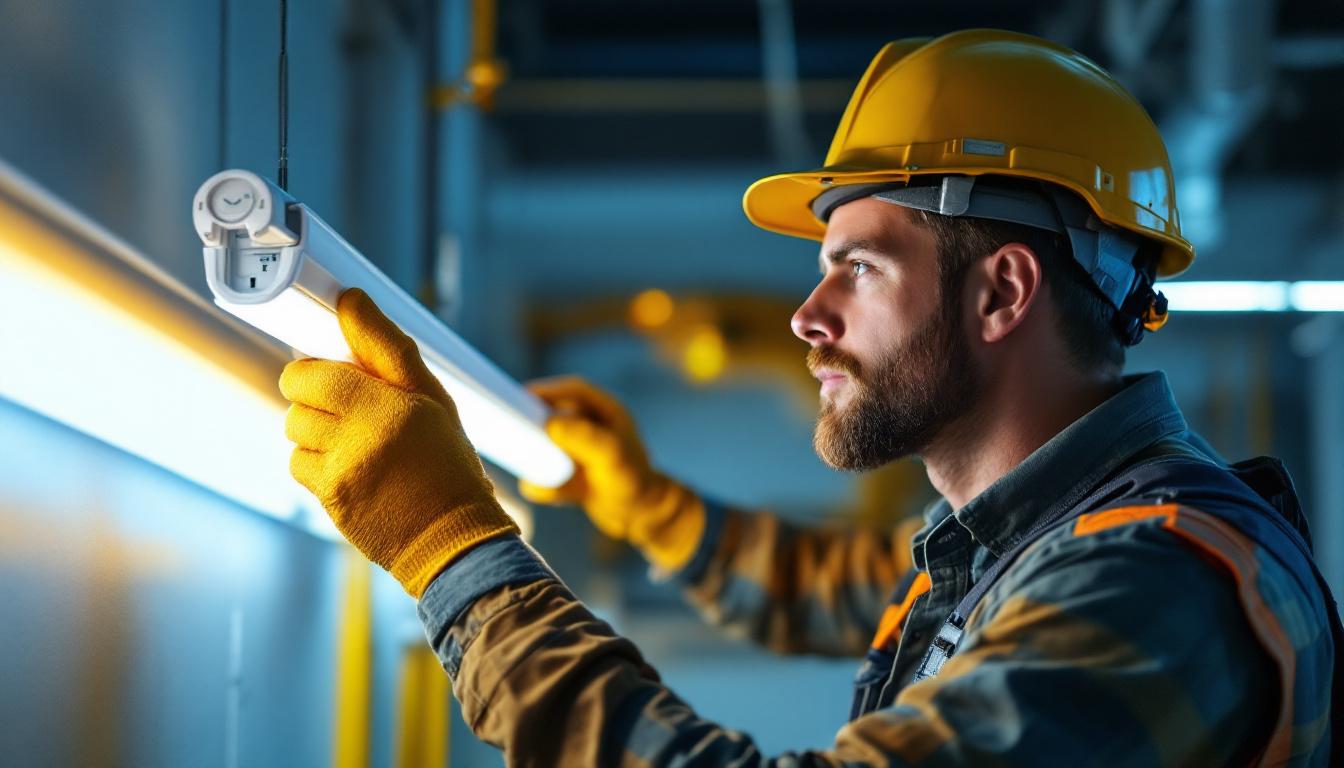
Safety is paramount. Before installation, power to the relevant circuits must be turned off and verified with appropriate testing tools. Personal protective equipment (PPE) should be worn, and all tools and materials must meet industry safety standards. It is also advisable to have a first-aid kit readily available on-site and to ensure that all team members are aware of emergency procedures. Conducting a safety briefing before beginning work can help reinforce the importance of these measures and promote a culture of safety among the crew.
Mounting and Wiring Techniques
Mounting LED hanging lights requires precision to ensure stability and proper alignment. Contractors should use appropriate anchors and supports, especially for heavier fixtures. Adjustable suspension cables or rods allow for fine-tuning the height and angle of the lights, optimizing illumination and aesthetics. Moreover, considering the visual impact of the fixtures in relation to the overall design of the space is crucial; the placement should enhance the room’s character while providing functional lighting. Utilizing a laser level during installation can help achieve perfect alignment and consistency across multiple fixtures.
Wiring must be executed following the manufacturer’s guidelines and local electrical codes. Using high-quality connectors and ensuring secure connections prevent future issues such as flickering or electrical faults. For installations involving dimmers or smart controls, compatibility and correct wiring configurations are essential. It is also beneficial to label all wiring clearly for future reference, which can save time and effort during any maintenance or troubleshooting. Additionally, considering the use of energy-efficient wiring methods can further enhance the sustainability of the installation, aligning with modern energy-saving practices.
Post-Installation Testing and Client Handover
After installation, thorough testing verifies that all fixtures operate correctly, dimmers function smoothly, and lighting levels meet the design specifications. Contractors should check for any flickering, buzzing, or uneven illumination and address these issues promptly. It is also wise to assess the lighting from various angles and at different times of day to ensure that it performs well under all conditions. Documenting the testing results can provide valuable insights for future projects and serve as a reference for any follow-up work.
Providing clients with clear instructions on operating and maintaining their new LED hanging lights enhances satisfaction and reduces service calls. Offering documentation on warranty coverage and energy-saving tips can further establish trust and professionalism. Additionally, a follow-up visit or call after a few weeks can help address any concerns the client may have and reinforce the contractor’s commitment to quality service. This proactive approach not only fosters a positive relationship with the client but can also lead to referrals and repeat business in the future.
Common Challenges and Troubleshooting Tips
Addressing Flickering and Dimming Issues
Flickering is a common complaint with LED installations and often stems from incompatible dimmers or poor wiring. Lighting contractors should recommend LED-compatible dimmers and verify all connections during installation. If flickering occurs post-installation, checking the dimmer settings and replacing incompatible components is usually the solution.
Managing Heat Dissipation
Although LEDs generate less heat than traditional bulbs, heat management remains important to preserve fixture longevity. Contractors should ensure that fixtures have adequate ventilation and are not installed in enclosed spaces without proper airflow. Overheating can reduce LED lifespan and performance.
Ensuring Uniform Light Distribution
Uneven lighting can detract from the overall ambiance and functionality of a space. Contractors should carefully calculate fixture placement and spacing to achieve uniform illumination. Utilizing lighting design software or consulting photometric data from manufacturers can aid in planning.
Emerging Trends and Innovations in LED Hanging Lights
Smart Lighting Integration
The integration of smart technology into LED hanging lights is transforming indoor lighting. Features such as voice control, automated scheduling, and color tuning allow users to customize lighting to their preferences and activities. Lighting contractors should stay updated on these technologies to offer cutting-edge solutions that enhance client satisfaction.
Human-Centric Lighting
Human-centric lighting (HCL) focuses on adjusting light intensity and color temperature throughout the day to support natural circadian rhythms. This approach can improve wellbeing, productivity, and sleep quality. Contractors working in office, healthcare, or educational environments should consider recommending HCL-enabled LED hanging lights as part of holistic lighting designs.
Sustainable and Recyclable Materials
As sustainability becomes increasingly important, manufacturers are developing LED fixtures using recyclable and eco-friendly materials. Lighting contractors can differentiate their services by sourcing and recommending products that minimize environmental impact without compromising performance or aesthetics.
Conclusion: The Lighting Contractor’s Role in LED Hanging Light Success
LED hanging lights offer unparalleled benefits in energy efficiency, design flexibility, and longevity, making them a top choice for indoor lighting projects. For lighting contractors, mastering the selection, installation, and troubleshooting of these fixtures is critical to delivering superior results and exceeding client expectations.
By conducting thorough site assessments, understanding technical specifications, adhering to best installation practices, and staying informed about emerging trends, contractors can ensure that LED hanging light installations are both beautiful and functional. This comprehensive approach not only enhances professional reputation but also contributes to the advancement of sustainable and innovative lighting solutions in the industry.
Illuminate Your Projects with LumenWholesale
Ready to elevate your lighting installations with the efficiency, style, and longevity of LED hanging lights? Look no further than LumenWholesale for all your lighting needs. Our commitment to quality and affordability ensures that you have access to the best spec-grade lighting products at wholesale prices. Say goodbye to unnecessary markups and enjoy the convenience of free shipping on bulk orders. Make your next project shine with confidence by choosing Wholesale Lighting at the Best Value from LumenWholesale.