Understanding Inset Ceilings: A Primer for Lighting Contractors
Inset ceilings, often referred to as recessed or tray ceilings, have become increasingly popular in both residential and commercial spaces. Characterized by a central section that is set higher than the surrounding perimeter, these ceilings offer a unique architectural feature that can enhance the ambiance and aesthetic appeal of any room.
For lighting contractors, inset ceilings present both exciting opportunities and distinct challenges. Their design allows for creative lighting solutions that can transform a space, but also demands careful planning and execution to ensure functionality and safety. Before delving into the pros and cons, it’s essential to understand the typical construction and design elements involved.
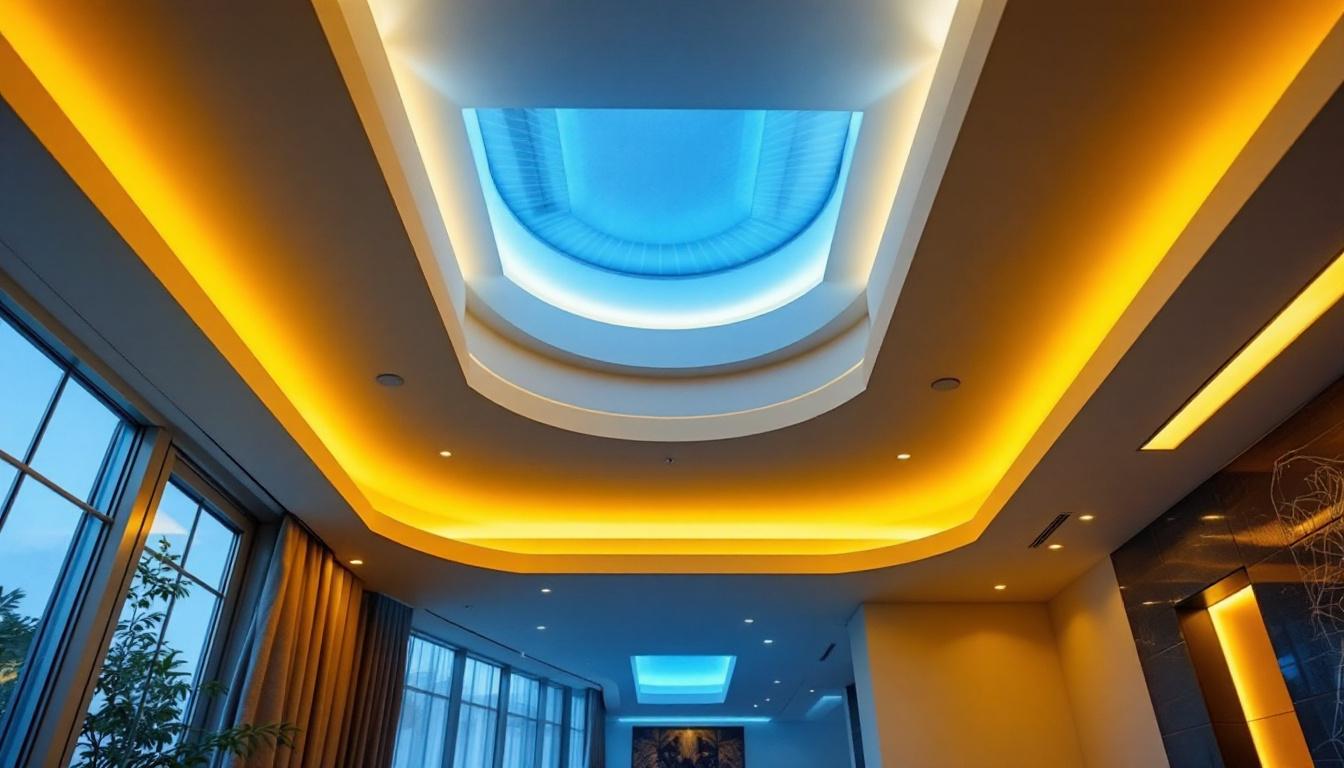
Typically, an inset ceiling involves a dropped border around the room’s perimeter, creating a “tray” effect. This design can vary in depth and width, influencing the type and placement of lighting fixtures. Common lighting options include cove lighting, recessed downlights, and pendant lights suspended within the inset area.
In addition to the aesthetic benefits, inset ceilings can also improve the acoustics of a room. The varying heights and shapes can help to diffuse sound, making them an excellent choice for spaces where noise control is a priority, such as conference rooms or home theaters. Furthermore, the ability to incorporate different materials—such as wood, plaster, or metal—into the design can add texture and depth, further enhancing the overall experience of the space.
When planning the lighting for an inset ceiling, it’s crucial to consider the intended use of the room. For instance, in a dining area, warm, ambient lighting can create an inviting atmosphere, while brighter, cooler tones may be more suitable for a workspace. Additionally, the integration of smart lighting technology can provide versatility, allowing users to adjust the brightness and color temperature according to their needs or mood. This adaptability not only enhances the functionality of the space but also aligns with modern design trends that prioritize user experience.
The Advantages of Working with Inset Ceilings
Enhanced Aesthetic Appeal and Design Flexibility
One of the primary benefits of inset ceilings is their ability to elevate the visual interest of a room. For lighting contractors, this means an opportunity to integrate sophisticated lighting schemes that complement the architectural feature. The recessed area naturally lends itself to indirect lighting techniques such as LED strip cove lighting, which can create a soft, ambient glow that enhances the room’s mood.
Moreover, inset ceilings provide a versatile canvas for various lighting styles. Whether the client desires a modern minimalist look with sleek recessed downlights or a more dramatic effect with layered lighting, the design flexibility is considerable. This adaptability can help lighting contractors meet diverse client preferences and project requirements. Furthermore, the inset ceiling can be paired with various materials and finishes, such as wood, metal, or even decorative plaster, allowing for a unique expression of style that resonates with the overall theme of the space.
Improved Lighting Distribution and Ambiance
Inset ceilings allow for strategic placement of lighting fixtures that can improve overall illumination and reduce harsh shadows. For example, installing multiple recessed downlights within the inset area can provide even, diffused lighting that enhances comfort and functionality.
Additionally, the ability to incorporate indirect lighting methods helps create a warm, inviting atmosphere. This is particularly valuable in residential settings, hospitality venues, and upscale commercial spaces where ambiance is a critical factor. Lighting contractors can leverage these design features to deliver superior lighting experiences that add value to their services. The thoughtful arrangement of lights can also highlight architectural details, artwork, or other focal points within the room, making the space feel more curated and intentional.
Concealment of Wiring and Fixtures
Another practical advantage is the ease of concealing wiring and lighting fixtures within the inset ceiling structure. The dropped border offers ample space for running cables and installing transformers or dimmers without compromising the room’s aesthetics.
This hidden infrastructure not only results in a cleaner look but also facilitates easier maintenance and future upgrades. Lighting contractors benefit from this by being able to install complex lighting systems discreetly, enhancing client satisfaction and project quality. Additionally, this concealment can contribute to energy efficiency, as it allows for the integration of smart lighting systems that can be controlled remotely, optimizing energy use while providing the ultimate in convenience and modern living. The seamless integration of technology within the aesthetic framework of inset ceilings can transform a standard room into a sophisticated, high-tech environment that meets the demands of contemporary lifestyles.
The Challenges and Limitations of Inset Ceilings
Complex Installation and Increased Labor Costs
Despite their aesthetic appeal, inset ceilings can be more challenging to work with compared to standard flat ceilings. The construction of the inset itself requires precise measurements and coordination with other trades such as drywall installers and carpenters.
For lighting contractors, this complexity translates into longer installation times and potentially higher labor costs. Fixtures must be carefully positioned to align with the ceiling’s contours, and wiring must be routed through confined spaces. These factors necessitate meticulous planning and skilled workmanship to avoid costly errors or delays. Additionally, the need for specialized tools and techniques can further increase project timelines, as contractors may need to invest in equipment specifically designed for working with inset ceilings. This can lead to a steeper learning curve for less experienced workers, making it essential for teams to have a solid understanding of the unique requirements associated with this type of ceiling.
Limited Fixture Options and Compatibility Issues
Not all lighting fixtures are suitable for inset ceilings. The depth and shape of the inset can restrict the size and type of fixtures that can be installed. For example, large pendant lights may not fit well within shallow inset areas, and certain recessed fixtures may require additional clearance for heat dissipation.
Lighting contractors must carefully select fixtures that comply with the ceiling’s dimensions and local building codes. This often involves consulting product specifications and collaborating with manufacturers to ensure compatibility, which can add complexity to the project. Furthermore, the aesthetic aspect of fixture selection cannot be overlooked; the chosen lighting must complement the overall design of the space while also being functional. This balancing act can lead to extensive discussions between designers and contractors, as they strive to find the perfect fit that meets both aesthetic and practical needs.
Potential for Heat Buildup and Ventilation Concerns
Inset ceilings, especially those with enclosed or semi-enclosed designs, can pose challenges related to heat buildup. Lighting fixtures, particularly incandescent or halogen bulbs, generate heat that must be properly managed to prevent damage to the ceiling materials and ensure safety.
LED technology has mitigated some of these concerns due to its lower heat output, but contractors must still consider ventilation and heat dissipation in their designs. Failure to do so can lead to premature fixture failure or even fire hazards, underscoring the importance of thorough planning and adherence to safety standards. In addition to selecting the right fixtures, contractors may need to incorporate ventilation solutions such as vents or fans to facilitate airflow around the fixtures. This not only helps in managing heat but also contributes to the longevity of the lighting system. Moreover, integrating smart home technology can provide real-time monitoring of temperature levels, allowing for proactive adjustments to ensure optimal performance and safety in spaces with inset ceilings.
Best Practices for Lighting Contractors Working with Inset Ceilings
Early Collaboration with Designers and Builders
To successfully navigate the complexities of inset ceilings, lighting contractors should engage early with architects, interior designers, and builders. This collaboration ensures that lighting plans are integrated seamlessly into the ceiling design from the outset, reducing the risk of costly modifications later.
Early involvement also allows contractors to advise on fixture selection, wiring routes, and control systems, aligning technical requirements with aesthetic goals. This proactive approach fosters smoother project execution and enhances client satisfaction.
Leveraging LED and Smart Lighting Technologies
Modern LED lighting solutions are particularly well-suited for inset ceilings due to their compact size, energy efficiency, and low heat emission. Lighting contractors can capitalize on these advantages by specifying LED strips for cove lighting or LED downlights that fit snugly within the inset.
Incorporating smart lighting controls such as dimmers, color temperature adjusters, and programmable scenes further enhances the functionality and appeal of the lighting installation. These technologies enable clients to customize their lighting environment, adding value and differentiation to the contractor’s offerings.
Meticulous Measurement and Mock-Up Testing
Given the precision required for inset ceiling lighting, accurate measurements are critical. Contractors should verify ceiling dimensions and fixture clearances multiple times before installation. Where possible, creating mock-ups or prototypes can help visualize the final effect and identify potential issues early.
This attention to detail minimizes the risk of misalignment, inadequate lighting coverage, or fixture incompatibility. It also builds client confidence by demonstrating professionalism and commitment to quality.
Conclusion: Balancing Opportunities and Challenges
Inset ceilings offer lighting contractors a unique opportunity to showcase their expertise and creativity. The design flexibility and enhanced ambiance potential make them a sought-after feature in many projects. However, the complexities involved require careful planning, skilled execution, and a thorough understanding of both architectural and lighting principles.
By weighing the pros and cons and adopting best practices, lighting contractors can successfully navigate the challenges of inset ceilings. This not only leads to superior lighting installations but also strengthens client relationships and enhances professional reputation in a competitive market.
Illuminate Your Projects with LumenWholesale
Ready to elevate your inset ceiling projects with the finest lighting solutions? At LumenWholesale, we provide lighting contractors with exceptional, spec-grade lighting products at prices that can’t be beaten. Our commitment to quality and affordability ensures that you can bring your creative visions to life without compromising on performance or cost. With free shipping on bulk orders, you can stock up on premium lighting essentials and enjoy the best value in the industry. Don’t let inflated markups dim your project’s potential. Visit LumenWholesale today and discover how we can brighten your work with superior lighting at the best value.