Understanding the Fundamentals of Recessed Can Lighting
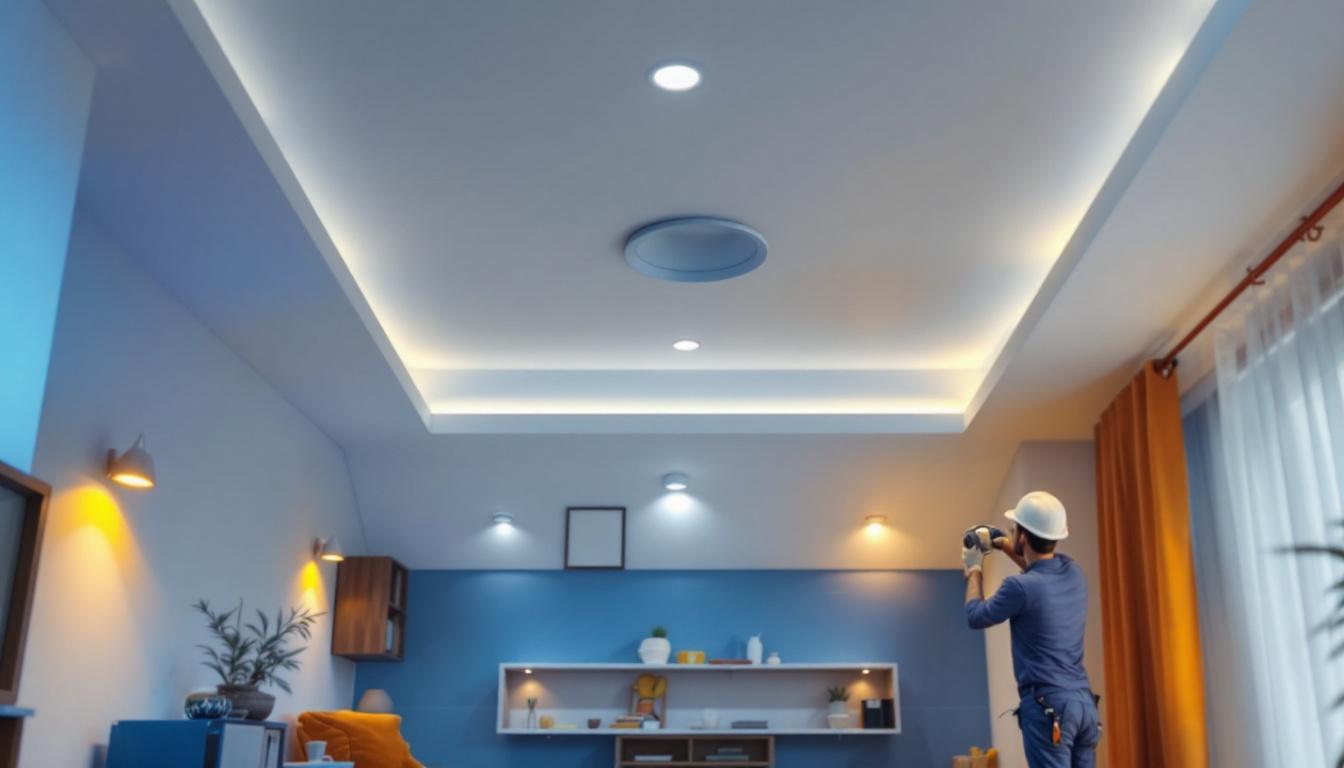
Recessed can lights, often referred to as downlights or pot lights, are a staple in modern lighting design. For lighting contractors, mastering these fixtures is essential due to their versatility, clean aesthetic, and ability to provide both ambient and task lighting. Unlike surface-mounted fixtures, recessed cans are installed flush with the ceiling, offering a sleek, unobtrusive look that complements a wide range of interior styles. This design feature not only enhances the visual appeal of a space but also allows for greater flexibility in furniture arrangement and decor, making it a popular choice for both residential and commercial applications.
Before diving into installation techniques and design strategies, it’s crucial to understand the basic components of recessed can lights. Typically, these fixtures consist of a housing, trim, and bulb. The housing is installed above the ceiling and can be designed for new construction or remodels. The trim is the visible part that finishes the ceiling opening, available in various styles and finishes. Finally, the bulb type and wattage significantly influence the lighting quality and energy efficiency. For instance, LED bulbs are increasingly favored for their longevity and lower energy consumption compared to traditional incandescent options, making them a smart choice for eco-conscious consumers.
For contractors, knowledge of these components allows for better communication with clients and more precise project planning. Recognizing the differences between IC-rated housings (which can be in contact with insulation) and non-IC housings is particularly important for ensuring safety and compliance with building codes. Furthermore, understanding the various beam angles and color temperatures available can help contractors tailor lighting solutions to meet the specific needs of each space. For example, a narrow beam angle may be ideal for highlighting artwork, while a wider beam can create an even wash of light across a room, enhancing its overall ambiance.
Additionally, the placement of recessed can lights is critical in achieving optimal lighting effects. Contractors should consider factors such as ceiling height, room dimensions, and the intended use of the space when determining the number and positioning of fixtures. A well-planned layout can prevent harsh shadows and ensure that areas are adequately illuminated for their specific functions, whether it’s cooking in the kitchen, reading in the living room, or working in a home office. By taking the time to assess these elements, contractors can deliver a lighting design that not only meets aesthetic goals but also enhances the functionality of the environment.
Choosing the Right Recessed Can Lights for Different Applications
Residential vs. Commercial Settings
Lighting contractors must tailor their recessed can light selections based on the environment. In residential spaces, warmth and ambiance are often priorities. Selecting LED bulbs with a color temperature between 2700K and 3000K can create a cozy atmosphere. Additionally, dimmable fixtures are highly desirable for living rooms, kitchens, and bedrooms to provide flexible lighting moods. The placement of these lights also plays a crucial role; for instance, strategically positioning them over artwork or architectural features can enhance the aesthetic appeal of the space, creating focal points that draw the eye.
In contrast, commercial settings such as offices, retail stores, and hospitality venues demand brighter, more uniform illumination. Here, contractors might opt for higher lumen outputs and cooler color temperatures (3500K to 4100K) to enhance visibility and productivity. Moreover, commercial installations often require fixtures with specific certifications for energy efficiency and safety. For example, using fixtures that comply with the DesignLights Consortium (DLC) standards can help businesses qualify for energy rebates, making the initial investment more cost-effective. Furthermore, the use of smart lighting controls in commercial spaces can optimize energy use and adapt lighting levels based on occupancy, further enhancing efficiency.
Wet and Damp Location Considerations
Another critical factor is the installation environment. Bathrooms, kitchens, and outdoor soffits may expose recessed can lights to moisture. Lighting contractors must select fixtures rated for wet or damp locations to prevent electrical hazards and premature fixture failure. These ratings ensure that the fixtures have adequate sealing and materials to withstand humidity and occasional water exposure. Additionally, the choice of trim can impact both functionality and style; for instance, baffle trims can reduce glare while reflector trims can enhance brightness, making them suitable for different applications within wet areas.
Moreover, when considering recessed lighting for damp locations, it’s essential to evaluate the potential for condensation and steam, particularly in bathrooms and kitchens. Fixtures designed with integrated moisture barriers can significantly extend the lifespan of the lighting system. Furthermore, choosing models with adjustable gimbals can allow for directional lighting, which can be particularly useful in areas where task lighting is needed, such as over sinks or cooking surfaces. This versatility not only enhances safety but also contributes to a more visually appealing and functional space.
Installation Best Practices: Efficiency and Safety
Pre-Installation Planning
Successful recessed can light installations begin with meticulous planning. Contractors should assess ceiling types, joist spacing, and existing electrical wiring before selecting fixture sizes and locations. Mapping out the lighting layout on blueprints or using digital tools can prevent costly mistakes and ensure even light distribution.
Spacing is particularly important. A general rule of thumb is to space recessed lights approximately 4 to 6 feet apart, depending on ceiling height and desired brightness. For example, in an 8-foot ceiling room, placing fixtures 4 feet apart can provide balanced illumination without harsh shadows.
Electrical and Safety Compliance
Adhering to local electrical codes and safety standards is non-negotiable. Contractors must ensure that all wiring is correctly rated and secured, and that fixtures are compatible with the circuit load. Utilizing junction boxes and proper connectors reduces fire risks. Additionally, when working in insulated ceilings, selecting IC-rated housings prevents insulation from coming into contact with hot fixture components, a common cause of fires.
Employing modern LED modules also contributes to safety by reducing heat output and energy consumption, which aligns with many building codes and green building certifications.
Advanced Techniques for Optimal Lighting Effects
Layering Light with Recessed Cans
Lighting contractors often use recessed can lights as part of a layered lighting strategy, combining ambient, task, and accent lighting to enhance interior spaces. For instance, in a kitchen, recessed cans provide general illumination, while under-cabinet lights focus on countertops, and pendant lights add decorative appeal.
Strategic placement can also highlight architectural features or artwork. Adjustable recessed cans with gimbal trims allow contractors to direct light precisely where needed, creating dynamic visual interest.
Color Rendering and Bulb Selection
Color rendering index (CRI) is a vital consideration when selecting bulbs for recessed can lights. A CRI of 80 or higher is generally recommended to ensure colors appear natural and vibrant. This is especially important in retail environments or art galleries where accurate color perception impacts customer experience.
LED technology has advanced significantly, offering a variety of color temperatures and high CRI options. Lighting contractors should stay informed about the latest products to recommend solutions that combine efficiency with superior light quality.
Energy Efficiency and Sustainability in Recessed Lighting
With increasing emphasis on sustainable building practices, lighting contractors must prioritize energy-efficient solutions. LEDs have become the standard for recessed can lights due to their long lifespan, low heat emission, and minimal energy consumption compared to incandescent or halogen bulbs.
Incorporating dimmers and occupancy sensors further enhances energy savings by reducing unnecessary lighting. Some advanced systems even integrate with smart home or building automation platforms, allowing for programmable lighting schedules and remote control.
Additionally, selecting fixtures with ENERGY STAR certification ensures compliance with rigorous energy efficiency criteria, which can be a selling point for environmentally conscious clients.
Common Challenges and How to Overcome Them
Dealing with Insulation and Air Leakage
One frequent challenge in recessed can light installations is managing insulation and preventing air leakage. Non-IC rated housings can create gaps in the ceiling’s thermal envelope, leading to energy loss and potential moisture issues. Lighting contractors should advocate for IC-rated fixtures and use airtight trims or sealing gaskets to maintain energy efficiency and indoor air quality.
Retrofit Installations in Existing Ceilings
Retrofitting recessed can lights into finished ceilings can be tricky due to limited access and potential structural obstructions. Using remodel housings designed for these scenarios simplifies installation, but contractors must still carefully measure and cut ceiling openings to avoid damage. Employing tools like hole saws with adjustable depth stops can improve precision and reduce installation time.
Client Communication and Project Management Tips
Effective communication with clients is key to successful recessed lighting projects. Contractors should educate clients on fixture types, lighting effects, and maintenance requirements to set realistic expectations. Providing visual aids such as lighting simulations or sample fixtures can help clients make informed decisions.
Moreover, detailed project timelines and transparent pricing build trust and reduce the risk of misunderstandings. Coordinating with other trades, such as electricians and drywall installers, ensures a smooth workflow and high-quality results.
Documenting installations with photographs and notes can also be valuable for future maintenance or upgrades, enhancing the contractor’s professional reputation.
Conclusion: Mastering Recessed Can Lights for Superior Results
Recessed can lighting remains a fundamental element in both residential and commercial lighting design. For lighting contractors, mastering the selection, installation, and optimization of these fixtures is essential to delivering high-quality, efficient, and aesthetically pleasing lighting solutions.
By understanding the technical aspects, adhering to safety standards, embracing energy-efficient technologies, and maintaining clear client communication, contractors can elevate their craftsmanship and stand out in a competitive market. The secrets to mastering recessed can lights lie in attention to detail, continuous learning, and a commitment to excellence.
Get Your Premium Recessed Can Lights at LumenWholesale
Ready to apply these expert secrets to your next lighting project? Look no further than LumenWholesale for all your recessed can light needs. Our extensive selection of spec-grade lighting products combines quality and affordability, ensuring you have access to the best lighting solutions while maximizing your budget. Say goodbye to middleman markups and hello to hassle-free bulk purchases with free shipping. Elevate your lighting installations with the confidence that comes from partnering with LumenWholesale. Wholesale Lighting at the Best Value is just a click away. Start shopping now and light up your projects with excellence.