In the world of modern interior design, the use of under-cabinet lighting has become increasingly popular. Strip lights, in particular, have gained traction for their versatility and effectiveness in enhancing both aesthetics and functionality. For lighting contractors, understanding how to train their teams in the installation and application of these lights is crucial. This article explores the best practices for training your team to ensure they are well-equipped to handle under-cabinet strip lighting projects.
Understanding Strip Lighting
Before diving into training techniques, it’s essential to establish a solid foundation of knowledge regarding strip lighting. Strip lights, often composed of LED technology, are flexible light strips that can be easily installed in various locations, including under cabinets. They provide a seamless and uniform light source that enhances visibility and adds a modern touch to any space. The versatility of strip lighting makes it an attractive option for both residential and commercial settings, as it can be tailored to fit a wide range of design aesthetics and functional requirements.
Types of Strip Lights
There are several types of strip lights available on the market, each with unique features and benefits. Understanding these types is crucial for effective training. The most common include:
- Standard LED Strip Lights: These are the most widely used and are available in various colors and brightness levels.
- RGB Strip Lights: These lights can change colors and are often used for decorative purposes, allowing homeowners to set different moods.
- Smart LED Strip Lights: Equipped with technology that allows for remote control and automation, these lights can be programmed for various settings.
Each type of strip light serves different purposes, and understanding these distinctions will help your team make informed decisions when advising clients. For instance, while standard LED strips are ideal for general lighting, RGB strips can transform a space into a vibrant environment for parties or gatherings. Smart LED strips, on the other hand, can integrate with home automation systems, allowing users to control their lighting with voice commands or through smartphone apps, making them a popular choice for tech-savvy consumers.
Applications of Under-Cabinet Lighting
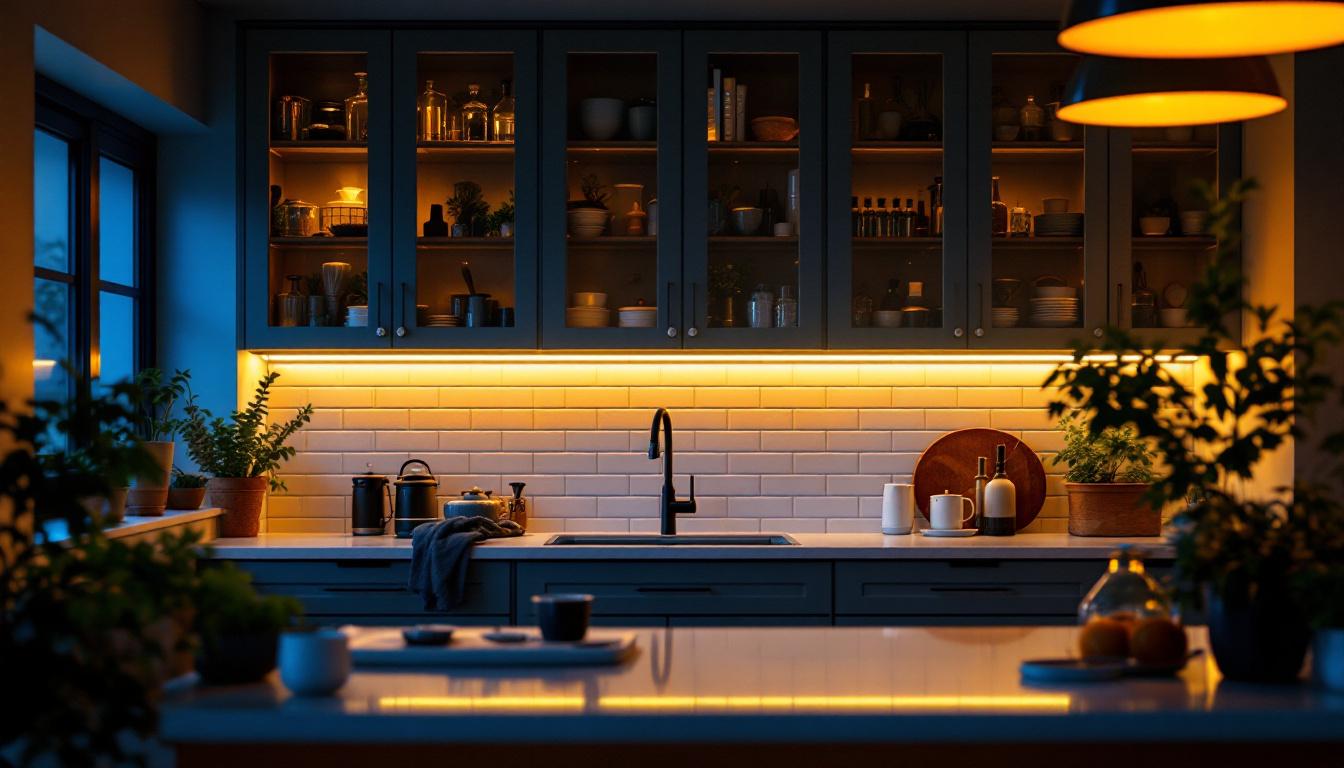
Under-cabinet lighting serves multiple functions, making it a valuable addition to any kitchen or workspace. Its primary purpose is to illuminate countertops, providing adequate lighting for food preparation and other tasks. However, its aesthetic appeal cannot be overlooked; it creates a warm ambiance that enhances the overall design of a room. The soft glow emitted from under-cabinet lights can highlight textures and colors in countertops and cabinetry, adding depth and character to the space.
Moreover, under-cabinet lighting can also be used in bathrooms, workspaces, and entertainment areas, showcasing its versatility. In bathrooms, it can provide a gentle light for nighttime use, while in workspaces, it can enhance visibility for detailed tasks such as crafting or assembling projects. Additionally, in entertainment areas, under-cabinet lighting can be used to create a cozy atmosphere for movie nights or social gatherings. Training your team to recognize these applications will enable them to suggest appropriate solutions to clients based on their specific needs, ensuring that each installation not only meets functional requirements but also elevates the overall aesthetic of the space.
Training Techniques for Effective Learning
Once your team has a solid understanding of strip lighting, the next step is to implement effective training techniques. Training should be engaging and informative, combining theoretical knowledge with practical experience. Here are some strategies to consider:
Hands-On Workshops
One of the most effective ways to train your team is through hands-on workshops. These sessions allow team members to work directly with strip lights, experimenting with installation techniques and troubleshooting common issues. Workshops can cover various topics, including:
- Proper measurement and cutting of strip lights
- Wiring and electrical considerations
- Mounting techniques and adhesive applications
By engaging in practical exercises, team members will develop confidence and competence in handling strip lighting projects.
Visual Learning Aids
Incorporating visual aids into training sessions can significantly enhance understanding. Use diagrams, videos, and demonstrations to illustrate key concepts. For instance, a video showing the step-by-step process of installing strip lights can provide clarity and reinforce learning.
Additionally, consider creating a visual reference guide that your team can refer to during installations. This guide can include common troubleshooting tips, safety precautions, and best practices, serving as a valuable resource in the field.
Encouraging Collaboration and Discussion
Encouraging team members to collaborate and discuss their experiences can foster a culture of continuous learning. Organize regular team meetings where members can share insights, challenges, and solutions related to strip lighting projects. This collaborative approach not only enhances knowledge but also builds camaraderie within the team.
Safety Considerations in Strip Lighting Installation
Safety should always be a top priority when training your team in lighting installation. Strip lights, while generally safe, require specific precautions to ensure that installations are conducted without incident. Here are some critical safety considerations to emphasize during training:
Electrical Safety Protocols
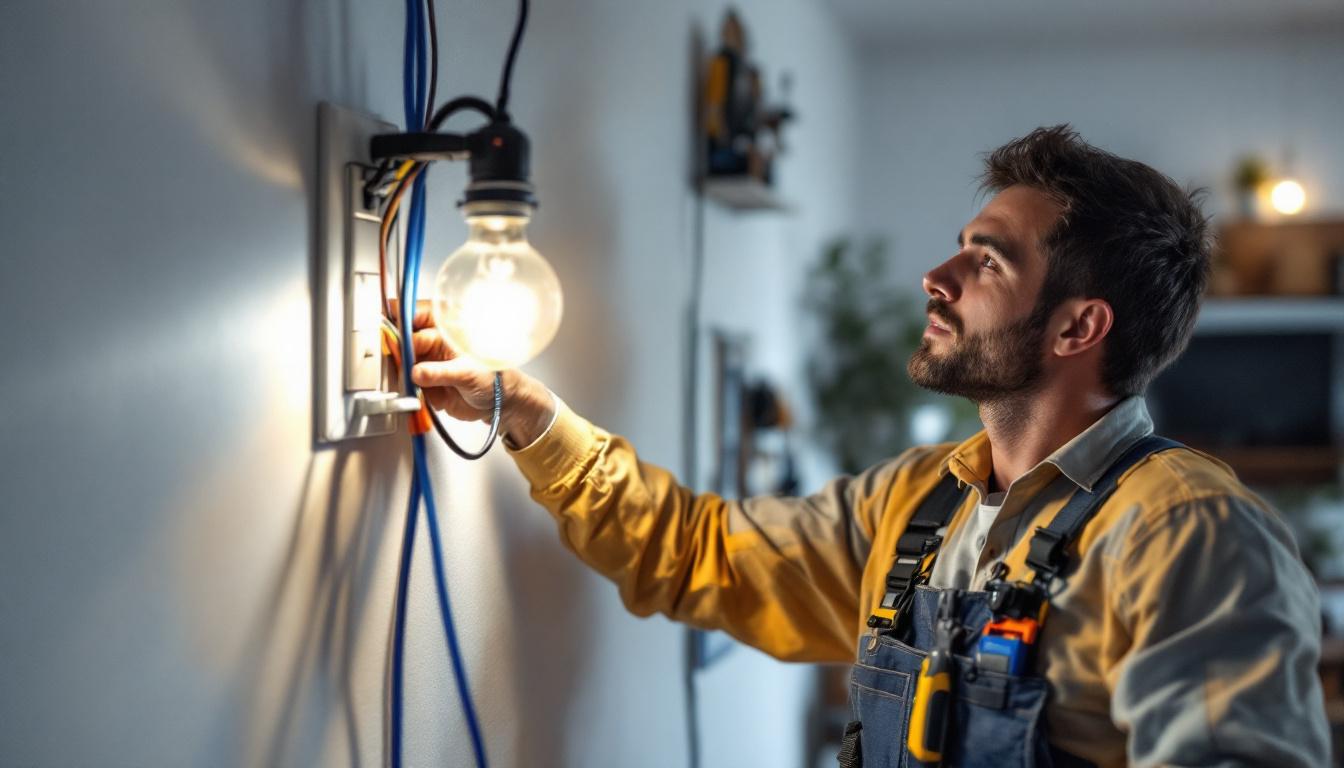
Understanding electrical safety protocols is essential for anyone working with lighting installations. Ensure your team is familiar with the following:
- Always turn off power at the circuit breaker before beginning any installation.
- Use insulated tools to prevent electrical shock.
- Follow local electrical codes and regulations to ensure compliance and safety.
By instilling these safety practices, your team will be better equipped to handle installations without risking their safety or that of others.
Handling Materials Safely
Strip lights are typically made from materials that can be delicate or potentially hazardous. Training should include guidance on how to handle these materials safely. For example:
- Be cautious when cutting strip lights to avoid injury.
- Store materials properly to prevent damage.
- Use appropriate personal protective equipment (PPE) when necessary.
By emphasizing safe handling practices, your team can minimize accidents and ensure a smooth installation process.
Customer Interaction and Communication Skills
While technical skills are vital, effective communication with clients is equally important. Training your team to interact professionally with customers can enhance client satisfaction and lead to repeat business. Here are some key areas to focus on:
Understanding Client Needs
Before recommending strip lighting solutions, it is essential for your team to understand the client’s needs and preferences. Training should include techniques for asking the right questions and actively listening to clients. Encourage team members to consider factors such as:
- The primary function of the space (e.g., cooking, entertaining, work)
- The desired ambiance and aesthetic preferences
- Budget constraints and installation timelines
By understanding client needs, your team can provide tailored solutions that meet expectations.
Presenting Solutions Effectively
Once your team has gathered information, they should be trained on how to present solutions effectively. This includes explaining the benefits of under-cabinet strip lighting and how it can address the client’s specific needs. Encourage team members to:
- Use visual aids, such as samples or design mock-ups, to illustrate their recommendations.
- Provide clear explanations of installation processes and timelines.
- Discuss potential maintenance and troubleshooting tips to reassure clients.
Effective presentation skills can significantly influence a client’s decision-making process.
Handling Objections and Questions
Clients may have concerns or questions about strip lighting installations. Training your team to handle objections with confidence is crucial. Role-playing scenarios can be an effective way to practice these skills. Team members should learn to:
- Listen to client concerns without becoming defensive.
- Provide clear and concise answers to questions.
- Offer solutions or alternatives if a client expresses hesitance.
By mastering these skills, your team can build trust with clients and foster long-term relationships.
Staying Updated with Industry Trends
The lighting industry is continually evolving, with new technologies and trends emerging regularly. Training should not be a one-time event but rather an ongoing process that encourages team members to stay informed. Here are some strategies to keep your team updated:
Encouraging Continuous Education
Promote a culture of continuous education within your team. Encourage team members to attend workshops, webinars, and industry conferences to expand their knowledge. Subscribing to industry publications and online resources can also provide valuable insights into the latest trends and technologies.
Networking with Industry Professionals
Networking with other professionals in the lighting industry can provide your team with fresh perspectives and ideas. Encourage team members to join local or national lighting associations, where they can connect with peers, share experiences, and learn from one another.
Implementing Feedback Mechanisms
Creating a feedback loop within your team can help identify areas for improvement. Regularly solicit feedback from team members regarding training sessions and their experiences in the field. Use this information to refine training programs and address any knowledge gaps.
Conclusion
Training your team in under-cabinet strip lighting is essential for ensuring successful installations and satisfied clients. By providing a comprehensive understanding of strip lighting, implementing effective training techniques, emphasizing safety, and enhancing communication skills, your team will be well-prepared to tackle any project. Moreover, fostering a culture of continuous learning will keep your team at the forefront of industry trends, allowing them to provide innovative solutions to clients.
In a competitive market, well-trained teams can make a significant difference in the quality of service provided. Investing in training not only enhances the skills of your team but also contributes to the overall success and reputation of your lighting contracting business.
Equip Your Team with the Best Lighting Solutions from LumenWholesale
Ready to elevate your lighting installations with the highest quality strip lights on the market? Look no further than LumenWholesale. We provide contractors with spec-grade lighting products that exceed industry standards, all at unbeatable wholesale prices. Say goodbye to local distributor markups and hello to superior lighting solutions that fit your budget. Plus, with free shipping on bulk orders, you can stock up on everything you need without worrying about extra costs. Enhance your team’s performance and your clients’ satisfaction with the perfect blend of quality, affordability, and convenience. Discover the value that LumenWholesale brings to your projects by visiting our extensive selection of premium lighting products. Wholesale Lighting at the Best Value.