Led Outside Light Fixtures: vs. Alternatives, What Lighting Contractors Should Choose
In the ever-evolving landscape of outdoor lighting, the choice of fixtures can significantly impact both the aesthetics and functionality of a project. As a lighting contractor, understanding the differences between LED outside light fixtures and their alternatives is crucial for making informed decisions that meet client needs while ensuring efficiency and longevity. This article delves into the advantages of LED fixtures, compares them to traditional options, and offers insights into what lighting contractors should consider when selecting outdoor lighting solutions.
The Rise of LED Technology
LED (Light Emitting Diode) technology has transformed the lighting industry, particularly in outdoor applications. The increasing popularity of LED fixtures can be attributed to their numerous benefits, which include energy efficiency, longevity, and versatility.
Energy Efficiency
One of the most compelling advantages of LED fixtures is their energy efficiency. Compared to traditional incandescent and halogen bulbs, LEDs consume significantly less power while providing the same or even greater light output. This efficiency not only reduces electricity bills for clients but also contributes to a lower environmental impact, making LEDs a sustainable choice for outdoor lighting.
For lighting contractors, recommending energy-efficient solutions can enhance their reputation and appeal to environmentally conscious clients. Additionally, many regions offer incentives for using energy-efficient lighting, which can further benefit both contractors and their clients. These incentives often come in the form of rebates or tax credits, making the initial investment in LED technology even more attractive. As municipalities and businesses increasingly prioritize sustainability, the demand for energy-efficient lighting solutions is likely to grow, presenting a lucrative opportunity for contractors who stay ahead of the curve.
Longevity and Durability
LED fixtures boast an impressive lifespan, often lasting up to 25,000 hours or more. This longevity means fewer replacements and maintenance visits, which can be a significant advantage for contractors managing multiple projects. The durability of LED fixtures also makes them suitable for outdoor applications, as they are typically resistant to shock, vibration, and extreme weather conditions.
Contractors can assure clients that investing in LED lighting will result in lower long-term costs and less hassle associated with frequent bulb changes. This reliability can be a strong selling point when discussing lighting options with potential clients. Furthermore, the advancements in LED technology have led to the development of smart LED systems, which can be integrated with sensors and controls to optimize energy usage further. These smart systems can adjust brightness based on ambient light levels or occupancy, providing not only convenience but also additional savings on energy costs. As the market for smart technology continues to expand, incorporating these features into outdoor lighting designs can set contractors apart from their competition and attract a tech-savvy clientele.
Comparing Alternatives: Incandescent and Halogen
While LED fixtures have become increasingly popular, traditional lighting options such as incandescent and halogen bulbs still exist in the market. Understanding the differences between these alternatives and LED technology is essential for lighting contractors.
Incandescent Bulbs
Incandescent bulbs have been a staple in residential and commercial lighting for decades. They produce a warm light that many people find appealing. However, they are highly inefficient, converting only about 10% of the energy they consume into visible light. The rest is lost as heat, making them costly to operate over time.
For contractors, the appeal of incandescent bulbs lies in their low initial cost and familiar warm glow. However, when discussing long-term solutions with clients, it is essential to highlight the higher energy costs and shorter lifespan of these bulbs compared to LEDs. Additionally, the environmental impact of incandescent bulbs cannot be overlooked; as they consume more energy, they contribute to higher carbon emissions, which is a growing concern in today’s eco-conscious market. By educating clients on these factors, contractors can position themselves as knowledgeable advisors who prioritize both cost-effectiveness and sustainability.
Halogen Bulbs
Halogen bulbs are a type of incandescent lighting that offers improved efficiency and a longer lifespan than traditional incandescent bulbs. They provide a bright, white light that is often preferred for outdoor applications. However, like incandescent bulbs, halogen lights still generate a significant amount of heat and consume more energy than LEDs.
While halogen bulbs can be a viable option for specific applications, contractors should consider the overall energy consumption and maintenance costs associated with these fixtures. Educating clients about the benefits of switching to LED can help them make more informed decisions. Furthermore, halogen bulbs are often used in track lighting and accent lighting due to their ability to render colors accurately, which can enhance the aesthetic appeal of a space. However, as the market evolves, it’s crucial for contractors to stay updated on the latest advancements in LED technology, which now offers comparable color rendering and versatility without the drawbacks of heat generation and high energy costs. This knowledge will empower contractors to guide their clients toward the most efficient and effective lighting solutions available.
Key Considerations for Lighting Contractors
When choosing outdoor lighting fixtures, several factors come into play. Lighting contractors must consider not only the technical specifications of the fixtures but also the practical needs of their clients.
Application and Aesthetics
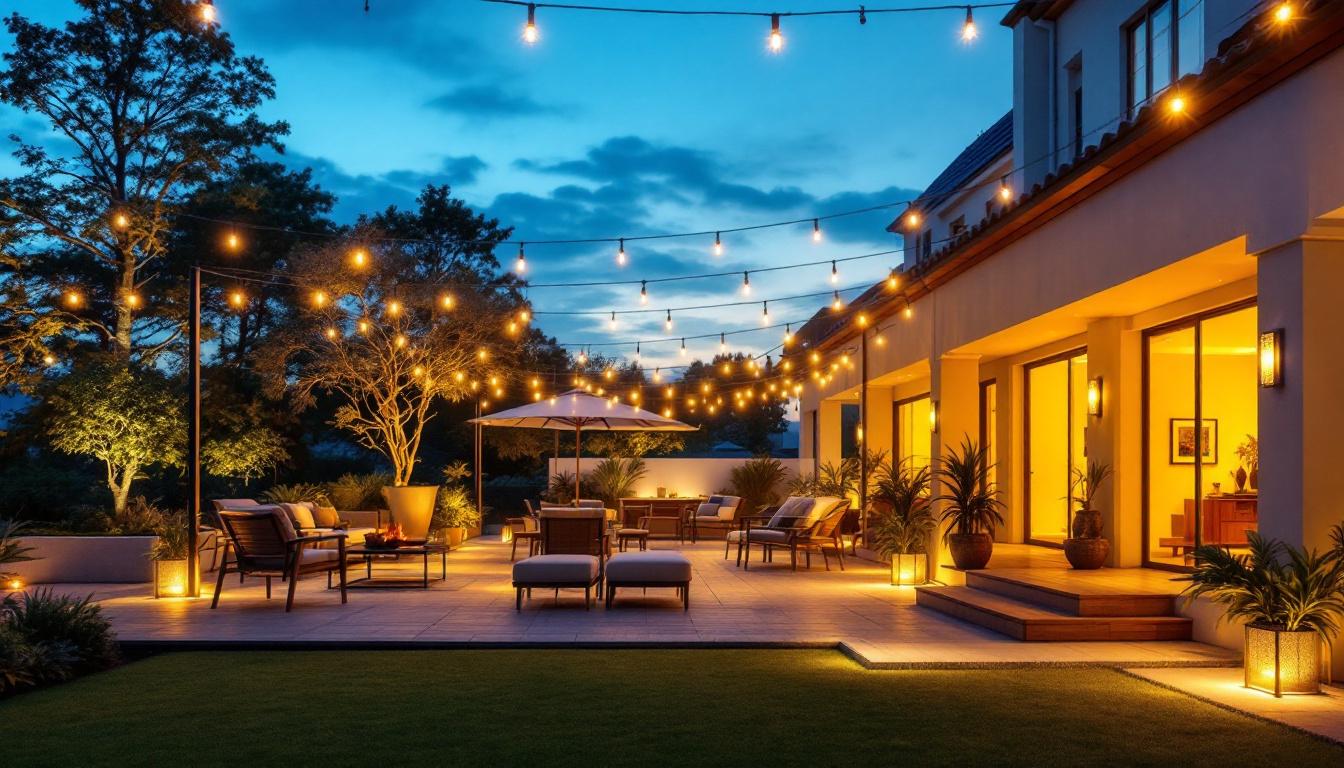
The intended application of outdoor lighting plays a significant role in fixture selection. For example, residential outdoor spaces may require softer, warmer lighting for ambiance, while commercial properties may benefit from brighter, more focused illumination for security and visibility.
Aesthetics are also crucial when selecting fixtures. LED technology offers a wide variety of styles and designs, allowing contractors to match lighting solutions to the architectural features of a property. This flexibility can enhance the overall appeal of outdoor spaces and satisfy client preferences.
Installation and Maintenance
Installation requirements vary between LED fixtures and traditional alternatives. While LED fixtures may require a higher upfront investment, their lower energy consumption and longer lifespan often result in reduced maintenance costs. Contractors should evaluate the ease of installation and any potential challenges that may arise with different types of fixtures.
Furthermore, educating clients about the maintenance needs of various fixtures can help set realistic expectations. For instance, while LED fixtures may require less frequent replacement, ensuring that they are installed correctly is vital for maximizing their lifespan and performance.
Cost Considerations
Cost is often a primary concern for clients when selecting outdoor lighting fixtures. While LED fixtures typically have a higher initial purchase price, the long-term savings can outweigh these costs. Lighting contractors should be prepared to discuss the total cost of ownership, including energy savings and reduced maintenance expenses.
Initial Investment vs. Long-Term Savings
When presenting options to clients, it is essential to highlight the difference between initial investment and long-term savings. While traditional lighting solutions may seem more affordable upfront, the cumulative costs of energy consumption and frequent replacements can quickly add up.
Contractors can use calculators or case studies to demonstrate potential savings over time, helping clients understand the value of investing in LED technology. This approach not only positions contractors as knowledgeable professionals but also builds trust with clients.
Incentives and Rebates
Many regions offer incentives and rebates for energy-efficient lighting solutions, including LED fixtures. Lighting contractors should stay informed about available programs and be prepared to assist clients in navigating these options. This can make the transition to LED lighting more financially feasible for clients and enhance the overall appeal of the contractor’s services.
By leveraging these incentives, contractors can provide added value to their clients and facilitate the adoption of energy-efficient lighting solutions.
Future Trends in Outdoor Lighting
The outdoor lighting industry is continually evolving, and lighting contractors should stay abreast of emerging trends that could impact their projects. Innovations in technology and design are shaping the future of outdoor lighting, offering exciting opportunities for contractors.
Smart Lighting Solutions
Smart lighting technology is gaining traction in outdoor applications, allowing users to control lighting remotely through smartphones or automation systems. This technology not only enhances convenience but also contributes to energy savings by enabling users to adjust lighting based on real-time needs.
Contractors should consider incorporating smart lighting solutions into their offerings, as clients increasingly seek modern and efficient lighting options. Understanding the installation and integration of these systems can set contractors apart in a competitive market.
Solar-Powered Lighting
Solar-powered outdoor lighting is another trend gaining popularity due to its sustainability and ease of installation. These fixtures harness solar energy, reducing reliance on the electrical grid and minimizing energy costs. For contractors, offering solar lighting options can appeal to environmentally conscious clients and those looking for low-maintenance solutions.
However, it is essential to educate clients about the limitations of solar-powered lighting, such as performance during cloudy days and the need for proper placement to maximize sunlight exposure. Providing this information can help clients make informed decisions and set realistic expectations.
Conclusion: Making the Right Choice
In the competitive landscape of outdoor lighting, making informed choices is crucial for lighting contractors. LED fixtures offer numerous advantages over traditional alternatives, including energy efficiency, longevity, and versatility. However, understanding the specific needs of clients and the unique characteristics of each lighting solution is essential for successful project outcomes.
By considering factors such as application, aesthetics, cost, and emerging trends, contractors can provide tailored solutions that meet client expectations while promoting sustainability and efficiency. As the lighting industry continues to evolve, staying informed about new technologies and trends will empower contractors to make the best choices for their projects and clients.
Illuminate Your Projects with LumenWholesale
Ready to elevate your outdoor lighting projects with the most efficient, durable, and cost-effective solutions? At LumenWholesale, we specialize in providing lighting contractors with spec-grade LED fixtures that blend quality with unbeatable wholesale value. Say goodbye to middleman markups and hello to a vast selection of premium lighting that meets the highest industry standards. With free shipping on bulk orders, LumenWholesale is your go-to source for superior lighting without the hidden fees. Don’t compromise on quality or price. Discover the best value in wholesale lighting and make the smart choice for your clients and your business today.